
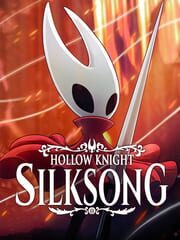
Nine years after the first game turned a tiny indie into a genre-defining phenomenon, Hollow Knight: Silksong finally arrived — and the conversation it sparked wasn't really about whether it looked good. It was about what a loop built on constant risk, silk-fueled healing, and brutal runbacks actually asks of a player, and whether that ask is fair.
The pitch
Team Cherry's sequel swaps the original's nameless Vessel for Hornet, a faster, more acrobatic protagonist dropped into the kingdom of Pharloom instead of Hallownest. The pitch was simple on paper: more Hollow Knight, but sharper. In practice, that meant rebuilding the moment-to-moment loop from the joints out — movement, combat, and healing all got reworked rather than just re-skinned.
Origins
What shipped as a full sequel reportedly started life closer to an expansion, and you can feel that lineage in how familiar the rhythm is: pogo off enemy heads, dash in on saw blades, retreat to a bench to reset your spawn point. But Team Cherry kept pulling threads until the game grew into its own thing, with a near decade-long gap between announcement and release that turned Silksong into one of gaming's longest-running running jokes before it became one of its biggest releases.
What makes it tick
The core verbs are the same as any Metroidvania — jump, dash, hover, slash — but the loop around them is distinctly Silksong's. Hornet builds a Silk gauge with every successful hit, and once it's full she can spend it on a self-heal that takes a beat to charge, even mid-air. That single mechanic reshapes everything: instead of hoarding potions or waiting out cooldowns, the player is constantly weighing aggression against safety, because the resource that saves your life is the same one your offense generates.
Layered on top is the new Crest and Tool system, which lets Hornet swap entire movesets — the Reaper Crest turns her into a pogo-focused stunner, other loadouts favor range or raw damage — while Tools slot in for more granular tuning. It's the biggest structural addition over the first game's charm system, and it turns build experimentation from a nice-to-have into something bosses can genuinely demand.
Then there are the runbacks — the stretches of platforming and lesser enemies a player must survive again every time a boss attempt fails. Reviewers have been blunt that these can rival the boss fights themselves in difficulty, and by the time Hornet reaches the arena a second or third time, she might already be hanging on by one hit of health. That design choice is the single most argued-over piece of the entire release.
Healing under pressure
- Hornet starts able to absorb roughly three hits before dying, and that fragility barely eases as upgrades come online.
- Healing costs banked Silk and a moment of vulnerability, so timing a heal mid-fight is itself a skill check.
- Optional charms like the Magma Bell or Guarding Bell can flip a punishing fight, but nothing in the game explicitly tells you to go looking for them.
Reception
Critically, Silksong landed about as well as a sequel to one of the best-reviewed indies of the last decade could. Outlets praised the tighter mission structure, waypoint system, and Hornet's far more expressive traversal — grappling hook, glide, mid-air recovery moves — as genuine upgrades over the original's more punishing platforming. But that praise came bundled with real friction over difficulty, especially in stretches like Bilewater, criticized for its scarcity of rest benches alongside some of the harshest environmental hazards in the game.
Here is the source of friction players are ardently grappling with in public: Team Cherry has a keen understanding of what fans expect, and Silksong uses that knowledge to break an unspoken contract.
That line captures the actual discourse better than any score does. This isn't a game people think is bad — it's a game whose creators deliberately withheld the guardrails players have come to expect from the genre they helped popularize, and the community is still arguing about whether that's a betrayal or the whole point.
Legacy
Team Cherry shipped a balance pass roughly a week after launch, trimming some of the sharper edges without gutting the difficulty that defines the game — a small but telling sign that the studio was listening to the runback complaints without abandoning its design philosophy. Whatever the final verdict on individual encounters, Silksong has already reset expectations for what a Metroidvania sequel can attempt structurally: guided quest boards and clear waypoints sitting comfortably next to some of the least forgiving combat encounters the genre has produced this decade.
Where it sits in the genre
Metroidvanias have spent years trending toward accessibility — more checkpoints, gentler curves, optional difficulty toggles. Silksong runs the opposite direction on purpose, betting that its healing-through-aggression loop and build-swapping Crests give players enough tools to earn their way through, even when the game refuses to hold their hand on which tools to use. Mark Brown's genre-focused breakdown of Pharloom's map design has already pointed to this game as a new reference point for non-linear world structure, which suggests its influence is going to outlast the difficulty arguments entirely.
Open questions
- Will Team Cherry keep tuning runback length and rest-bench placement in future patches, or is the current balance the intended final shape?
- How much of the difficulty backlash softens once players internalize the Crest/Tool build system rather than sticking with one loadout?
- Does Silksong's structural influence — guided objectives paired with unforgiving combat — spread to other Metroidvania developers, or stay a Team Cherry signature?
- With Act III still dividing opinion among reviewers who hadn't finished it at launch, how does the late game hold up against the widely praised opening hours?
Comments 0