Skip to Content
Tier
Tier Your gaming journal
Get
Best games

The best Matrix Software games

The 8 best games from Matrix Software, ranked from 719 critic and player ratings.

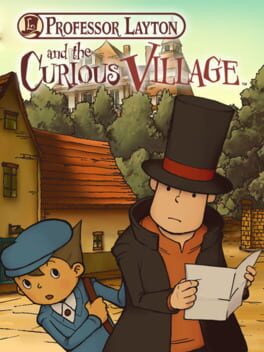
The best Matrix Software game is Professor Layton and the Curious Village, with a critic score of 88/100. Updated October 2026.

  • Ranked releases span 1997 to 2009.
  • Average critic score across the 8 ranked games: 68/100.
  • 719 critic and player ratings behind this ranking.

How this ranking is built

  • Games are ranked on the aggregated critic score out of 100 imported from IGDB and Metacritic, never on Tier's own grades.
  • A game only enters the ranking with at least 30 external ratings, so a single enthusiastic review never outranks a proven classic.
  • Community grades from F to S are shown next to every game, and only stated as a fact above 5 Tier ratings.
  • Release window covered: 1970 to 2026.
  • 8 games are listed on this page, carrying 719 ratings between them.
  • Rankings are recomputed hourly; this one was last rebuilt on 12 October 2026.

Top 8
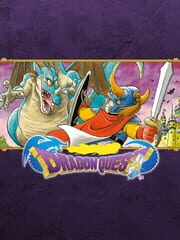
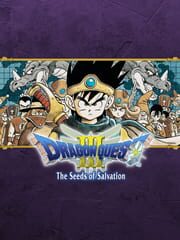
07 Dragon Quest III: The Seeds of Salvation Dragon Quest III: The Seeds of Salvation 2009 · 36 ratings Dragon Quest III is noted for greatly expanding upon the original Dragon Warrior and Dragon Warrior II. The game uses basic console role-playing game conventions, such as leveling up by gaining experience points and equipping items. Battle is turn-based like the other games in the series. Dragon Warrior III features a class system, in which each character has a certain class. While the Hero always keeps the Hero class, the other characters can choose among the following: Soldier (Warrior in the GBC version), Fighter, Pilgrim (Cleric), Wizard (Mage), Merchant (Dealer), Goof-Off (Jester), Sage, and Thief which was available only in the later versions. The choice of class greatly affects the character's stats and spells he or she can learn. Furthermore, upon reaching experience Level 20, a character has the option of changing classes at the temple of Dhama, found halfway through the game. The game starts with just the Hero in the party, who then is able to recruit a party of three at the local tavern. Unlike most Dragon Quest parties, aside from the Hero, the party is not made up of characters involved in the story. Although only four characters can be in the party at a time, extra members of the party can be kept at the tavern, allowing room for new recruits. Another innovation is an arena where the player can place bets on the outcome of monster battles. The remakes incorporated some interface changes from later games in the series, such as simplified door opening; the bag, which replaced bank item storage; the item sorting "Tidy Item" and "Tidy Bag" commands; and the "Full HP" command, which can be used outside of combat to automate the process of casting healing and status restoring spells. While the earlier Dragon Quest games were also non-linear, Dragon Quest III was the most substantial example of open-world gameplay among the early Dragon Quest games. It also allowed the player to swap characters in and out of the party at will, and another "major innovation was the introduction of day/night cycles; certain items, characters, and quests are only accessible at certain times of day." 45 /100
What is the best Matrix Software game?

Professor Layton and the Curious Village currently tops the ranking with a score of 88/100 across 201 ratings. Ranking updated October 2026.

How is this ranking built?

Games are ranked on their aggregated critic score out of 100, with a minimum vote threshold so a single glowing review never outranks a proven classic; the Tier community's own F-to-S grades are shown alongside each game.