
Best games
The best Capcom games
The 45 best games from Capcom, ranked from 10,414 critic and player ratings.
The best Capcom game is Street Fighter II' Turbo, with a critic score of 100/100. Updated September 2026.
- Ranked releases span 1985 to 2018.
- Average critic score across the 45 ranked games: 77/100.
- 10,414 critic and player ratings behind this ranking.
How this ranking is built
- Games are ranked on the aggregated critic score out of 100 imported from IGDB and Metacritic, never on Tier's own grades.
- A game only enters the ranking with at least 80 external ratings, so a single enthusiastic review never outranks a proven classic.
- Community grades from F to S are shown next to every game, and only stated as a fact above 5 Tier ratings.
- Release window covered: 1970 to 2026.
- 45 games are listed on this page, carrying 10,414 ratings between them.
- Rankings are recomputed hourly; this one was last rebuilt on 28 September 2026.
Top 45
01
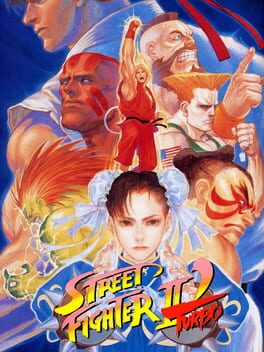 Street Fighter II' Turbo
They're back, and they're badder than ever! Faster, stronger and with all new moves, twelve of the greatest fighters from across the globe are ready to battle. Choose your champion and get ready for the big brawl as they try to earn the right to battle M. Bison for the title. And just when you think you've mastered it all, crank it up a notch and go TURBO! This home port of the Arcade game for the SNES includes most of the updates from the Arcade and additionally includes the 'Champion Edition' game-play and characters as well as four selectable game speeds within 'Turbo mode.' Many of these new features would also be included in 'Street Fighter II: Special Champion Edition' for the Genesis/Mega Drive.
100
/100
02
Street Fighter II' Turbo
They're back, and they're badder than ever! Faster, stronger and with all new moves, twelve of the greatest fighters from across the globe are ready to battle. Choose your champion and get ready for the big brawl as they try to earn the right to battle M. Bison for the title. And just when you think you've mastered it all, crank it up a notch and go TURBO! This home port of the Arcade game for the SNES includes most of the updates from the Arcade and additionally includes the 'Champion Edition' game-play and characters as well as four selectable game speeds within 'Turbo mode.' Many of these new features would also be included in 'Street Fighter II: Special Champion Edition' for the Genesis/Mega Drive.
100
/100
02
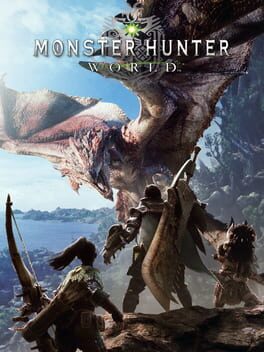 Monster Hunter: World
Welcome to a new world! Take on the role of a hunter and slay ferocious monsters in a living, breathing ecosystem where you can use the landscape and its diverse inhabitants to get the upper hand. Hunt alone or in co-op with up to three other players, and use materials collected from fallen foes to craft new gear and take on even bigger, badder beasts!
93
/100
03
Monster Hunter: World
Welcome to a new world! Take on the role of a hunter and slay ferocious monsters in a living, breathing ecosystem where you can use the landscape and its diverse inhabitants to get the upper hand. Hunt alone or in co-op with up to three other players, and use materials collected from fallen foes to craft new gear and take on even bigger, badder beasts!
93
/100
03
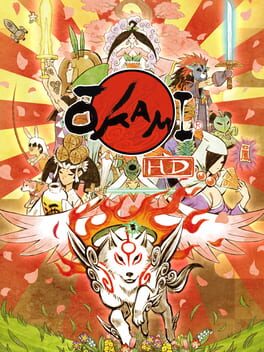 Ōkami HD
Experience the critically acclaimed masterpiece with its renowned Sumi-e ink art style in breathtaking high resolution. Take on the role of Amaterasu, the Japanese sun goddess who inhabits the form of a legendary white wolf, on a quest to defeat Orochi, an eight-headed demon and tyrannical monster responsible for turning the world of Nippon into a ruined wasteland.
92
/100
Ōkami HD
Experience the critically acclaimed masterpiece with its renowned Sumi-e ink art style in breathtaking high resolution. Take on the role of Amaterasu, the Japanese sun goddess who inhabits the form of a legendary white wolf, on a quest to defeat Orochi, an eight-headed demon and tyrannical monster responsible for turning the world of Nippon into a ruined wasteland.
92
/100
Street Fighter II' Turbo
They're back, and they're badder than ever! Faster, stronger and with all new moves, twelve of the greatest fighters from across the globe are ready to battle. Choose your champion and get ready for the big brawl as they try to earn the right to battle M. Bison for the title. And just when you think you've mastered it all, crank it up a notch and go TURBO! This home port of the Arcade game for the SNES includes most of the updates from the Arcade and additionally includes the 'Champion Edition' game-play and characters as well as four selectable game speeds within 'Turbo mode.' Many of these new features would also be included in 'Street Fighter II: Special Champion Edition' for the Genesis/Mega Drive.
100
/100
02
Monster Hunter: World
Welcome to a new world! Take on the role of a hunter and slay ferocious monsters in a living, breathing ecosystem where you can use the landscape and its diverse inhabitants to get the upper hand. Hunt alone or in co-op with up to three other players, and use materials collected from fallen foes to craft new gear and take on even bigger, badder beasts!
93
/100
03
Ōkami HD
Experience the critically acclaimed masterpiece with its renowned Sumi-e ink art style in breathtaking high resolution. Take on the role of Amaterasu, the Japanese sun goddess who inhabits the form of a legendary white wolf, on a quest to defeat Orochi, an eight-headed demon and tyrannical monster responsible for turning the world of Nippon into a ruined wasteland.
92
/100
04
 Street Fighter IV
 brings the legendary fighting series back to its roots by taking the beloved fighting moves and techniques of the original Street Fighter II, and infusing them with Capcom’s latest advancements in next generation technology to create a truly extraordinary experience that will re-introduce the world to the time-honored art of virtual martial arts. Newcomers: - Abel - C.Viper - Rufus - El Fuerte - Gouken
91
/100
05
Street Fighter IV
Street Fighter IV brings the legendary fighting series back to its roots by taking the beloved fighting moves and techniques of the original Street Fighter II, and infusing them with Capcom’s latest advancements in next generation technology to create a truly extraordinary experience that will re-introduce the world to the time-honored art of virtual martial arts. Newcomers: - Abel - C.Viper - Rufus - El Fuerte - Gouken
91
/100
05
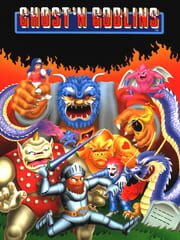 Ghosts 'n Goblins
 is a platform game where the player controls a knight, named Sir Arthur, who must defeat zombies, ogres, demons, cyclops, dragons and other monsters in order to rescue Princess Prin Prin, who has been kidnapped by Satan, king of Demon World. Along the way the player can pick up new weapons, bonuses and extra suits of armor that can help in this task. The game is often considered very difficult by arcade standards and is commonly regarded as one of the most difficult games ever released. The game is considered by Gametrailers.com to be the world's second most difficult game ever made. The player can only be hit twice before losing a life (the first hit takes away Arthur's armor, and the player must continue on in his underwear until completing the level, or finding replacement armor). If the player loses a life, he is returned to the start of the level, or the halfway point if he has managed to get that far. Furthermore, each life can only last a certain length of time (generally around three minutes), the clock being reset at the start of a level. If the clock does run out, the player instantly loses that life. After defeating the final boss, but only with the cross weapon (if the player does not have the cross weapon, they will be prompted that it is needed to defeat the boss and restart at the beginning of level 5 and must repeat round 5 and 6 again regardless if the weapon is obtained immediately or not) for the first time the player is informed that the battle was "a trap devised by Satan". The player must then replay the entire game on a higher difficulty level to reach the genuine final battle.
90
/100
06
Ghosts 'n Goblins
Ghosts 'n Goblins is a platform game where the player controls a knight, named Sir Arthur, who must defeat zombies, ogres, demons, cyclops, dragons and other monsters in order to rescue Princess Prin Prin, who has been kidnapped by Satan, king of Demon World. Along the way the player can pick up new weapons, bonuses and extra suits of armor that can help in this task. The game is often considered very difficult by arcade standards and is commonly regarded as one of the most difficult games ever released. The game is considered by Gametrailers.com to be the world's second most difficult game ever made. The player can only be hit twice before losing a life (the first hit takes away Arthur's armor, and the player must continue on in his underwear until completing the level, or finding replacement armor). If the player loses a life, he is returned to the start of the level, or the halfway point if he has managed to get that far. Furthermore, each life can only last a certain length of time (generally around three minutes), the clock being reset at the start of a level. If the clock does run out, the player instantly loses that life. After defeating the final boss, but only with the cross weapon (if the player does not have the cross weapon, they will be prompted that it is needed to defeat the boss and restart at the beginning of level 5 and must repeat round 5 and 6 again regardless if the weapon is obtained immediately or not) for the first time the player is informed that the battle was "a trap devised by Satan". The player must then replay the entire game on a higher difficulty level to reach the genuine final battle.
90
/100
06
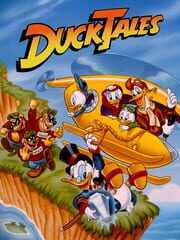 Disney's DuckTales
DuckTales is a platform game developed and published by Capcom and based on the Disney animated TV series of the same name. It was first released in North America for the Nintendo Entertainment System in 1989 and was later ported to the Game Boy in 1990. The story involves Scrooge McDuck traveling around the globe collecting treasure and outwitting his rival Flintheart Glomgold to become the world's richest duck. Produced by key personnel from the Mega Man series, DuckTales would go on to sell over a million copies worldwide on each system, becoming Capcom's best-selling title for both platforms. The game was praised for its tight control, unique and non-linear gameplay and bright presentation, and is often regarded as one of the best titles for the NES, appearing on numerous "Best of" lists.
86
/100
07
Disney's DuckTales
DuckTales is a platform game developed and published by Capcom and based on the Disney animated TV series of the same name. It was first released in North America for the Nintendo Entertainment System in 1989 and was later ported to the Game Boy in 1990. The story involves Scrooge McDuck traveling around the globe collecting treasure and outwitting his rival Flintheart Glomgold to become the world's richest duck. Produced by key personnel from the Mega Man series, DuckTales would go on to sell over a million copies worldwide on each system, becoming Capcom's best-selling title for both platforms. The game was praised for its tight control, unique and non-linear gameplay and bright presentation, and is often regarded as one of the best titles for the NES, appearing on numerous "Best of" lists.
86
/100
07
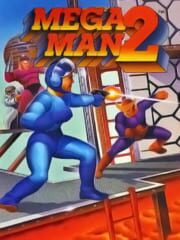 Mega Man 2
In the year 200X, a super robot named Mega Man was created. Dr. Light created Mega Man to stop the evil desires of Dr. Wily. However, after his defeat, Dr. Wily created eight of his own robots to counter Mega Man.
85
/100
08
Mega Man 2
In the year 200X, a super robot named Mega Man was created. Dr. Light created Mega Man to stop the evil desires of Dr. Wily. However, after his defeat, Dr. Wily created eight of his own robots to counter Mega Man.
85
/100
08
 Phoenix Wright: Ace Attorney - Trials and Tribulations
Phoenix Wright: Ace Attorney − Trials and Tribulations (known as Gyakuten Saiban 3 in Japan) is the third game in the Ace Attorney series. Players take on the role of Phoenix Wright, a defense attorney known for taking on seemingly impossible cases. While the game focuses on a few specific cases, the overarching story of the Phoenix Wright franchise spans the length of the series, involving obscure characters from large families and intricate webs of lies, plots, and murder. The nature of the series remains generally lighthearted, something that's reinforced by its playful, anime-inspired visual style, but the nature of the crimes committed can be cold and downright disturbing. While the game's legal acumen is highly dubious, its aim seems to be more about producing comedic or stereotypically dramatic courtroom moments. Ace Attorney 3 makes light use of the DS touch screen, allowing the player to examine crime scenes and inspect evidence and character profiles. The top screen is used more for storytelling purposes, displaying various dialogue and conversations between characters. During these sequences the lower screen becomes a selection menu, displaying a series of questions to ask witnesses and further your investigation in search of evidence to use in defense of your client in each chapter.
84
/100
09
Phoenix Wright: Ace Attorney - Trials and Tribulations
Phoenix Wright: Ace Attorney − Trials and Tribulations (known as Gyakuten Saiban 3 in Japan) is the third game in the Ace Attorney series. Players take on the role of Phoenix Wright, a defense attorney known for taking on seemingly impossible cases. While the game focuses on a few specific cases, the overarching story of the Phoenix Wright franchise spans the length of the series, involving obscure characters from large families and intricate webs of lies, plots, and murder. The nature of the series remains generally lighthearted, something that's reinforced by its playful, anime-inspired visual style, but the nature of the crimes committed can be cold and downright disturbing. While the game's legal acumen is highly dubious, its aim seems to be more about producing comedic or stereotypically dramatic courtroom moments. Ace Attorney 3 makes light use of the DS touch screen, allowing the player to examine crime scenes and inspect evidence and character profiles. The top screen is used more for storytelling purposes, displaying various dialogue and conversations between characters. During these sequences the lower screen becomes a selection menu, displaying a series of questions to ask witnesses and further your investigation in search of evidence to use in defense of your client in each chapter.
84
/100
09
 Phoenix Wright: Ace Attorney - Dual Destinies
Dual Destinies continues the style of gameplay from previous installments, in which the player must utilize evidence and find contradictions in witness statements to prove their client innocent. Like previous installments, gameplay is split up between Investigations, in which players find evidence and question witnesses, and Trials, where they must use the evidence to expose contradictions. The game now features full 3D graphics and character models, allowing more dynamic camera angles during gameplay, such as quickly panning around the courtroom in the moments before a dramatic reveal. The 3D camera also allows investigation sequences to take place in 3D spaces, permitting greater investigative depth, such as being able to rotate around a room to look for clues.
83
/100
10
Phoenix Wright: Ace Attorney - Dual Destinies
Dual Destinies continues the style of gameplay from previous installments, in which the player must utilize evidence and find contradictions in witness statements to prove their client innocent. Like previous installments, gameplay is split up between Investigations, in which players find evidence and question witnesses, and Trials, where they must use the evidence to expose contradictions. The game now features full 3D graphics and character models, allowing more dynamic camera angles during gameplay, such as quickly panning around the courtroom in the moments before a dramatic reveal. The 3D camera also allows investigation sequences to take place in 3D spaces, permitting greater investigative depth, such as being able to rotate around a room to look for clues.
83
/100
10
 B
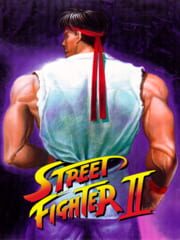
Street Fighter II
A sequel to Street Fighter, Street Fighter II improved upon the many concepts introduced in the first game, including the use of command-based special moves and a six-button configuration, while offering players a selection of multiple playable characters, each with their own unique fighting style and special moves. Street Fighter II is credited for starting the fighting game boom during the 1990s. Its success led to the production of several updated versions, each offering additional features and characters over previous versions, as well as many home versions. Some of the home versions of the Street Fighter II games have sold millions of copies, with the SNES port of the first Street Fighter II being Capcom's best-selling consumer game of all-time as of 2008. Street Fighter II follows several of the conventions and rules already established by its original 1987 predecessor. The player engages opponents in one-on-one close quarter combat in a series of best-two-out-of-three matches. The objective of each round is to deplete the opponent's vitality before the timer runs out. If both opponents knock each other out at the same time or the timer runs out with both fighters having an equal amount of vitality left, a "double KO" or "draw game" is declared and additional rounds will be played until sudden death. In the first Street Fighter II, a match could last up to ten rounds if there was no clear winner; this was reduced to four rounds in Champion Edition and onward. If there is no clear winner by the end of the final round, then either the computer-controlled opponent will win by default in a single-player match or both fighters will lose in a 2-player match. After every third match in the single player mode, the player will participate in a "bonus game" for additional points. The bonus games includes (in order) a car-breaking event; a barrel breaking bonus game where the barrels are dropped off from a conveyor belt above the player; and a drum-breaking bonus game where drums are flammable and piled over each other. The bonus games were removed from the arcade version of Super Street Fighter II Turbo. Like in the original, the game's controls uses a configuration of an eight-directional joystick and six attack buttons. The player uses the joystick to jump, crouch and move the character towards or away from the opponent, as well as to guard the character from an opponent's attacks. There are three punch buttons and three kick buttons of differing strength and speed (Light, Medium and Heavy). The player can perform a variety of basic moves in any position, including grabbing/throwing attacks, which were not featured in the original Street Fighter. Like in the original, the player can perform special moves by inputting a combination of directional and button-based commands. Street Fighter II differs from the original due to the selection of multiple playable characters, each with their distinct fighting styles and special moves. Additionally, the player can also "cancel" during animation by performing another move, allowing for a combination of several basic and special moves. Both of these features would be expanded upon in subsequent installments.
83
/100
11
B
Street Fighter II
A sequel to Street Fighter, Street Fighter II improved upon the many concepts introduced in the first game, including the use of command-based special moves and a six-button configuration, while offering players a selection of multiple playable characters, each with their own unique fighting style and special moves. Street Fighter II is credited for starting the fighting game boom during the 1990s. Its success led to the production of several updated versions, each offering additional features and characters over previous versions, as well as many home versions. Some of the home versions of the Street Fighter II games have sold millions of copies, with the SNES port of the first Street Fighter II being Capcom's best-selling consumer game of all-time as of 2008. Street Fighter II follows several of the conventions and rules already established by its original 1987 predecessor. The player engages opponents in one-on-one close quarter combat in a series of best-two-out-of-three matches. The objective of each round is to deplete the opponent's vitality before the timer runs out. If both opponents knock each other out at the same time or the timer runs out with both fighters having an equal amount of vitality left, a "double KO" or "draw game" is declared and additional rounds will be played until sudden death. In the first Street Fighter II, a match could last up to ten rounds if there was no clear winner; this was reduced to four rounds in Champion Edition and onward. If there is no clear winner by the end of the final round, then either the computer-controlled opponent will win by default in a single-player match or both fighters will lose in a 2-player match. After every third match in the single player mode, the player will participate in a "bonus game" for additional points. The bonus games includes (in order) a car-breaking event; a barrel breaking bonus game where the barrels are dropped off from a conveyor belt above the player; and a drum-breaking bonus game where drums are flammable and piled over each other. The bonus games were removed from the arcade version of Super Street Fighter II Turbo. Like in the original, the game's controls uses a configuration of an eight-directional joystick and six attack buttons. The player uses the joystick to jump, crouch and move the character towards or away from the opponent, as well as to guard the character from an opponent's attacks. There are three punch buttons and three kick buttons of differing strength and speed (Light, Medium and Heavy). The player can perform a variety of basic moves in any position, including grabbing/throwing attacks, which were not featured in the original Street Fighter. Like in the original, the player can perform special moves by inputting a combination of directional and button-based commands. Street Fighter II differs from the original due to the selection of multiple playable characters, each with their distinct fighting styles and special moves. Additionally, the player can also "cancel" during animation by performing another move, allowing for a combination of several basic and special moves. Both of these features would be expanded upon in subsequent installments.
83
/100
11
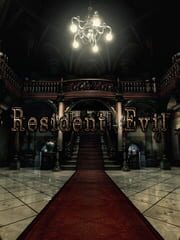 Resident Evil
82
/100
12
Resident Evil
82
/100
12
 Phoenix Wright: Ace Attorney Trilogy
82
/100
13
Phoenix Wright: Ace Attorney Trilogy
82
/100
13
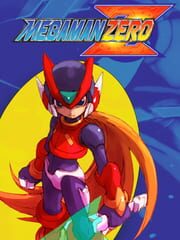 Mega Man Zero
81
/100
14
Mega Man Zero
81
/100
14
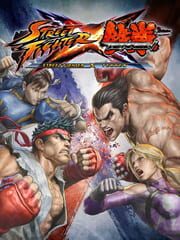 STREET FIGHTER X TEKKEN
81
/100
15
STREET FIGHTER X TEKKEN
81
/100
15
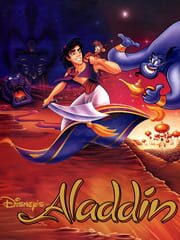 Disney's Aladdin
81
/100
16
Disney's Aladdin
81
/100
16
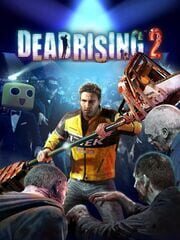 Dead Rising 2
81
/100
17
Dead Rising 2
81
/100
17
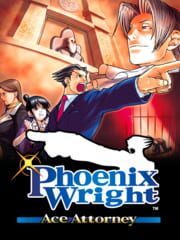 Phoenix Wright: Ace Attorney
80
/100
18
Phoenix Wright: Ace Attorney
80
/100
18
 Phoenix Wright: Ace Attorney - Justice for All
80
/100
19
Phoenix Wright: Ace Attorney - Justice for All
80
/100
19
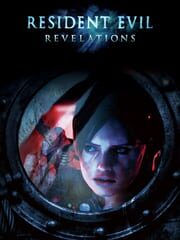 Resident Evil: Revelations
80
/100
20
Resident Evil: Revelations
80
/100
20
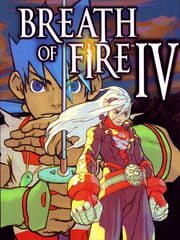 Breath of Fire IV
80
/100
21
Breath of Fire IV
80
/100
21
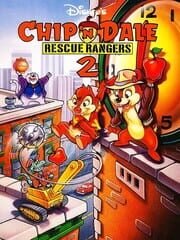 Chip 'n Dale Rescue Rangers 2
80
/100
22
Chip 'n Dale Rescue Rangers 2
80
/100
22
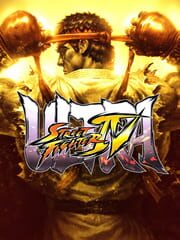 Ultra Street Fighter IV
79
/100
23
Ultra Street Fighter IV
79
/100
23
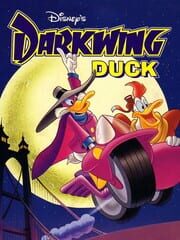 Disney's Darkwing Duck
79
/100
24
Disney's Darkwing Duck
79
/100
24
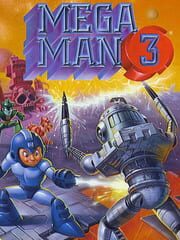 Mega Man 3 (1990)
79
/100
25
Mega Man 3 (1990)
79
/100
25
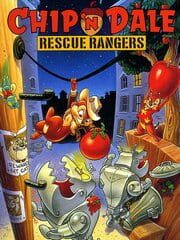 Chip 'n Dale Rescue Rangers
79
/100
26
Chip 'n Dale Rescue Rangers
79
/100
26
 B
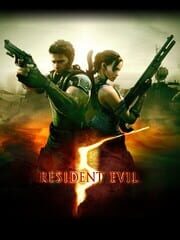
Resident Evil 5
78
/100
27
B
Resident Evil 5
78
/100
27
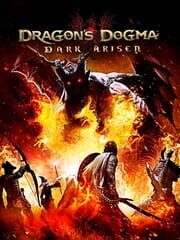 Dragon's Dogma: Dark Arisen
78
/100
28
Dragon's Dogma: Dark Arisen
78
/100
28
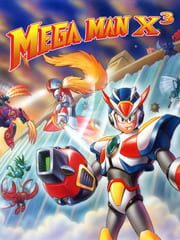 Mega Man X3
78
/100
29
Mega Man X3
78
/100
29
 Apollo Justice: Ace Attorney
78
/100
30
Apollo Justice: Ace Attorney
78
/100
30
 Ace Attorney Investigations - Miles Edgeworth
78
/100
31
Ace Attorney Investigations - Miles Edgeworth
78
/100
31
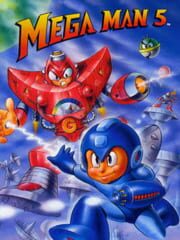 Mega Man 5
77
/100
32
Mega Man 5
77
/100
32
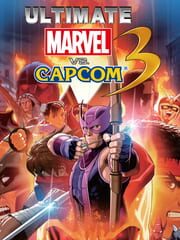 Ultimate Marvel vs. Capcom 3
77
/100
33
Ultimate Marvel vs. Capcom 3
77
/100
33
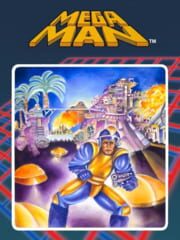 Mega Man (1987)
76
/100
34
Mega Man (1987)
76
/100
34
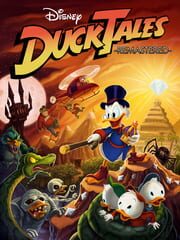 DuckTales: Remastered
73
/100
35
DuckTales: Remastered
73
/100
35
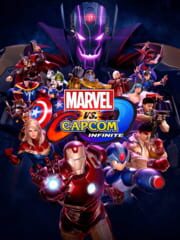 Marvel vs. Capcom: Infinite
73
/100
36
Marvel vs. Capcom: Infinite
73
/100
36
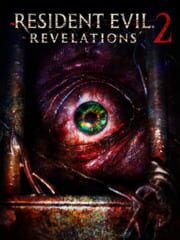 Resident Evil Revelations 2
72
/100
37
Resident Evil Revelations 2
72
/100
37
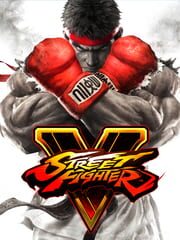 Street Fighter V
72
/100
38
Street Fighter V
72
/100
38
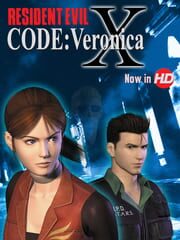 Resident Evil Code: Veronica X HD
70
/100
39
Resident Evil Code: Veronica X HD
70
/100
39
 C
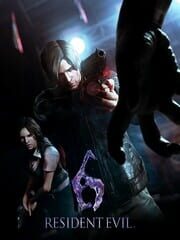
Resident Evil 6
67
/100
40
C
Resident Evil 6
67
/100
40
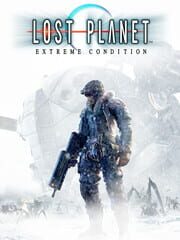 Lost Planet: Extreme Condition
66
/100
41
Lost Planet: Extreme Condition
66
/100
41
 Lost Planet 2
63
/100
42
Lost Planet 2
63
/100
42
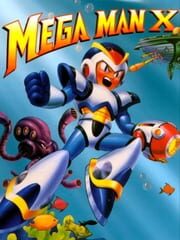 Mega Man X (1993)
55
/100
43
Mega Man X (1993)
55
/100
43
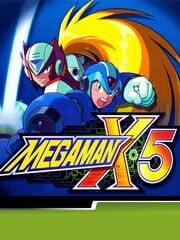 Mega Man X5
50
/100
44
Mega Man X5
50
/100
44
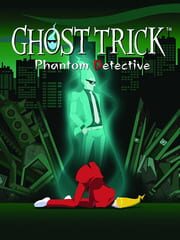 Ghost Trick: Phantom Detective
50
/100
45
Ghost Trick: Phantom Detective
50
/100
45
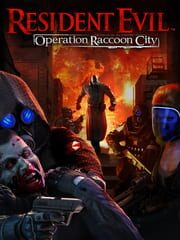 Resident Evil: Operation Raccoon City
44
/100
Resident Evil: Operation Raccoon City
44
/100
Street Fighter IV
Street Fighter IV brings the legendary fighting series back to its roots by taking the beloved fighting moves and techniques of the original Street Fighter II, and infusing them with Capcom’s latest advancements in next generation technology to create a truly extraordinary experience that will re-introduce the world to the time-honored art of virtual martial arts. Newcomers: - Abel - C.Viper - Rufus - El Fuerte - Gouken
91
/100
05
Ghosts 'n Goblins
Ghosts 'n Goblins is a platform game where the player controls a knight, named Sir Arthur, who must defeat zombies, ogres, demons, cyclops, dragons and other monsters in order to rescue Princess Prin Prin, who has been kidnapped by Satan, king of Demon World. Along the way the player can pick up new weapons, bonuses and extra suits of armor that can help in this task. The game is often considered very difficult by arcade standards and is commonly regarded as one of the most difficult games ever released. The game is considered by Gametrailers.com to be the world's second most difficult game ever made. The player can only be hit twice before losing a life (the first hit takes away Arthur's armor, and the player must continue on in his underwear until completing the level, or finding replacement armor). If the player loses a life, he is returned to the start of the level, or the halfway point if he has managed to get that far. Furthermore, each life can only last a certain length of time (generally around three minutes), the clock being reset at the start of a level. If the clock does run out, the player instantly loses that life. After defeating the final boss, but only with the cross weapon (if the player does not have the cross weapon, they will be prompted that it is needed to defeat the boss and restart at the beginning of level 5 and must repeat round 5 and 6 again regardless if the weapon is obtained immediately or not) for the first time the player is informed that the battle was "a trap devised by Satan". The player must then replay the entire game on a higher difficulty level to reach the genuine final battle.
90
/100
06
Disney's DuckTales
DuckTales is a platform game developed and published by Capcom and based on the Disney animated TV series of the same name. It was first released in North America for the Nintendo Entertainment System in 1989 and was later ported to the Game Boy in 1990. The story involves Scrooge McDuck traveling around the globe collecting treasure and outwitting his rival Flintheart Glomgold to become the world's richest duck. Produced by key personnel from the Mega Man series, DuckTales would go on to sell over a million copies worldwide on each system, becoming Capcom's best-selling title for both platforms. The game was praised for its tight control, unique and non-linear gameplay and bright presentation, and is often regarded as one of the best titles for the NES, appearing on numerous "Best of" lists.
86
/100
07
Mega Man 2
In the year 200X, a super robot named Mega Man was created. Dr. Light created Mega Man to stop the evil desires of Dr. Wily. However, after his defeat, Dr. Wily created eight of his own robots to counter Mega Man.
85
/100
08
Phoenix Wright: Ace Attorney - Trials and Tribulations
Phoenix Wright: Ace Attorney − Trials and Tribulations (known as Gyakuten Saiban 3 in Japan) is the third game in the Ace Attorney series. Players take on the role of Phoenix Wright, a defense attorney known for taking on seemingly impossible cases. While the game focuses on a few specific cases, the overarching story of the Phoenix Wright franchise spans the length of the series, involving obscure characters from large families and intricate webs of lies, plots, and murder. The nature of the series remains generally lighthearted, something that's reinforced by its playful, anime-inspired visual style, but the nature of the crimes committed can be cold and downright disturbing. While the game's legal acumen is highly dubious, its aim seems to be more about producing comedic or stereotypically dramatic courtroom moments. Ace Attorney 3 makes light use of the DS touch screen, allowing the player to examine crime scenes and inspect evidence and character profiles. The top screen is used more for storytelling purposes, displaying various dialogue and conversations between characters. During these sequences the lower screen becomes a selection menu, displaying a series of questions to ask witnesses and further your investigation in search of evidence to use in defense of your client in each chapter.
84
/100
09
Phoenix Wright: Ace Attorney - Dual Destinies
Dual Destinies continues the style of gameplay from previous installments, in which the player must utilize evidence and find contradictions in witness statements to prove their client innocent. Like previous installments, gameplay is split up between Investigations, in which players find evidence and question witnesses, and Trials, where they must use the evidence to expose contradictions. The game now features full 3D graphics and character models, allowing more dynamic camera angles during gameplay, such as quickly panning around the courtroom in the moments before a dramatic reveal. The 3D camera also allows investigation sequences to take place in 3D spaces, permitting greater investigative depth, such as being able to rotate around a room to look for clues.
83
/100
10
B
Street Fighter II
A sequel to Street Fighter, Street Fighter II improved upon the many concepts introduced in the first game, including the use of command-based special moves and a six-button configuration, while offering players a selection of multiple playable characters, each with their own unique fighting style and special moves. Street Fighter II is credited for starting the fighting game boom during the 1990s. Its success led to the production of several updated versions, each offering additional features and characters over previous versions, as well as many home versions. Some of the home versions of the Street Fighter II games have sold millions of copies, with the SNES port of the first Street Fighter II being Capcom's best-selling consumer game of all-time as of 2008. Street Fighter II follows several of the conventions and rules already established by its original 1987 predecessor. The player engages opponents in one-on-one close quarter combat in a series of best-two-out-of-three matches. The objective of each round is to deplete the opponent's vitality before the timer runs out. If both opponents knock each other out at the same time or the timer runs out with both fighters having an equal amount of vitality left, a "double KO" or "draw game" is declared and additional rounds will be played until sudden death. In the first Street Fighter II, a match could last up to ten rounds if there was no clear winner; this was reduced to four rounds in Champion Edition and onward. If there is no clear winner by the end of the final round, then either the computer-controlled opponent will win by default in a single-player match or both fighters will lose in a 2-player match. After every third match in the single player mode, the player will participate in a "bonus game" for additional points. The bonus games includes (in order) a car-breaking event; a barrel breaking bonus game where the barrels are dropped off from a conveyor belt above the player; and a drum-breaking bonus game where drums are flammable and piled over each other. The bonus games were removed from the arcade version of Super Street Fighter II Turbo. Like in the original, the game's controls uses a configuration of an eight-directional joystick and six attack buttons. The player uses the joystick to jump, crouch and move the character towards or away from the opponent, as well as to guard the character from an opponent's attacks. There are three punch buttons and three kick buttons of differing strength and speed (Light, Medium and Heavy). The player can perform a variety of basic moves in any position, including grabbing/throwing attacks, which were not featured in the original Street Fighter. Like in the original, the player can perform special moves by inputting a combination of directional and button-based commands. Street Fighter II differs from the original due to the selection of multiple playable characters, each with their distinct fighting styles and special moves. Additionally, the player can also "cancel" during animation by performing another move, allowing for a combination of several basic and special moves. Both of these features would be expanded upon in subsequent installments.
83
/100
11
Resident Evil
82
/100
12
Phoenix Wright: Ace Attorney Trilogy
82
/100
13
Mega Man Zero
81
/100
14
STREET FIGHTER X TEKKEN
81
/100
15
Disney's Aladdin
81
/100
16
Dead Rising 2
81
/100
17
Phoenix Wright: Ace Attorney
80
/100
18
Phoenix Wright: Ace Attorney - Justice for All
80
/100
19
Resident Evil: Revelations
80
/100
20
Breath of Fire IV
80
/100
21
Chip 'n Dale Rescue Rangers 2
80
/100
22
Ultra Street Fighter IV
79
/100
23
Disney's Darkwing Duck
79
/100
24
Mega Man 3 (1990)
79
/100
25
Chip 'n Dale Rescue Rangers
79
/100
26
B
Resident Evil 5
78
/100
27
Dragon's Dogma: Dark Arisen
78
/100
28
Mega Man X3
78
/100
29
Apollo Justice: Ace Attorney
78
/100
30
Ace Attorney Investigations - Miles Edgeworth
78
/100
31
Mega Man 5
77
/100
32
Ultimate Marvel vs. Capcom 3
77
/100
33
Mega Man (1987)
76
/100
34
DuckTales: Remastered
73
/100
35
Marvel vs. Capcom: Infinite
73
/100
36
Resident Evil Revelations 2
72
/100
37
Street Fighter V
72
/100
38
Resident Evil Code: Veronica X HD
70
/100
39
C
Resident Evil 6
67
/100
40
Lost Planet: Extreme Condition
66
/100
41
Lost Planet 2
63
/100
42
Mega Man X (1993)
55
/100
43
Mega Man X5
50
/100
44
Ghost Trick: Phantom Detective
50
/100
45
Resident Evil: Operation Raccoon City
44
/100
Frequently asked questions
What is the best Capcom game?
Street Fighter II' Turbo currently tops the ranking with a score of 100/100 across 115 ratings. Ranking updated September 2026.
How is this ranking built?
Games are ranked on their aggregated critic score out of 100, with a minimum vote threshold so a single glowing review never outranks a proven classic; the Tier community's own F-to-S grades are shown alongside each game.