
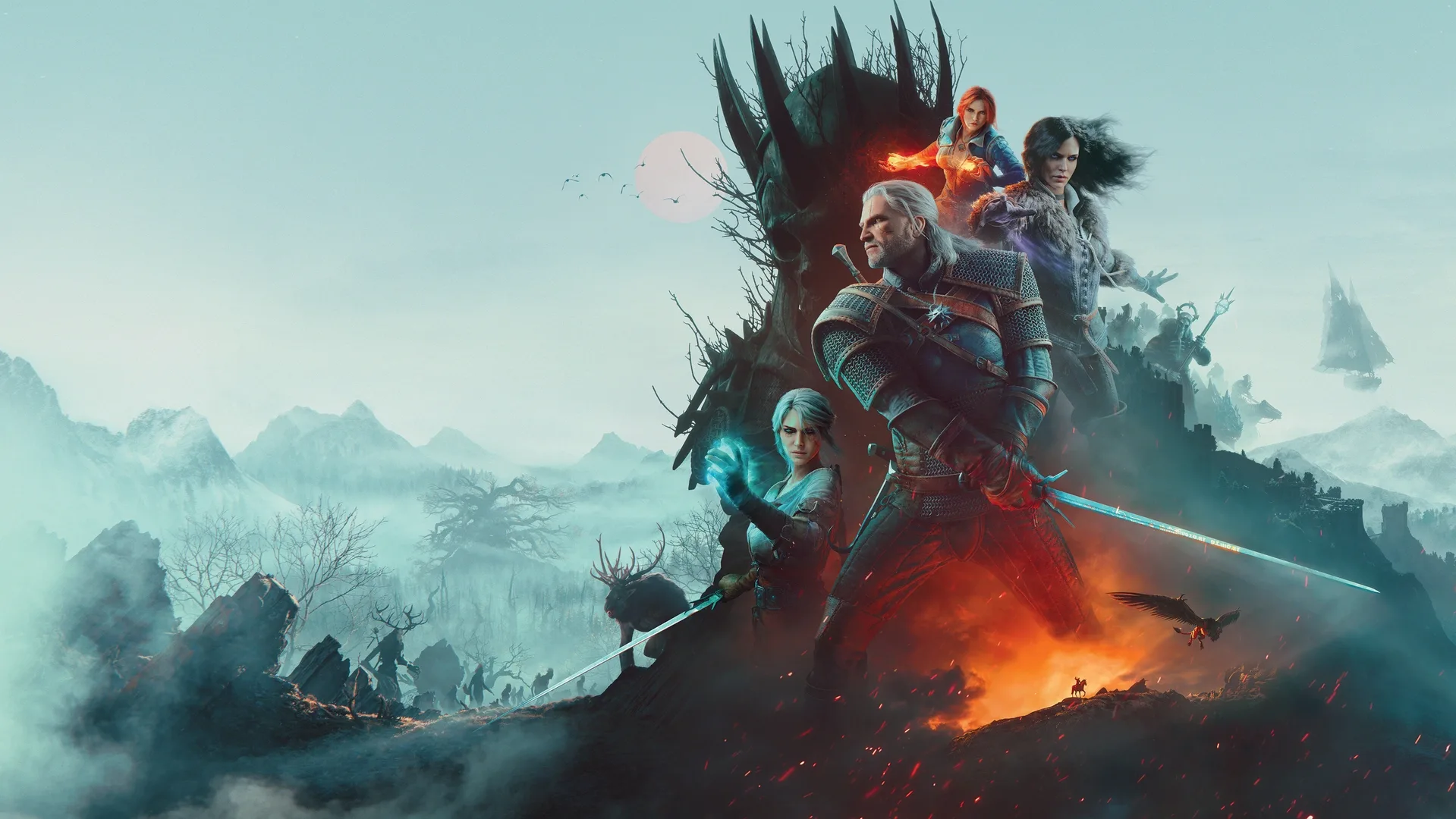
A remaster that changes almost everything about how a game looks and plays, while refusing to fix a single thing about what it actually is, might be the smartest design decision in recent memory.
A Decade-Old Witch's Promise
The Witcher 3: Wild Hunt first launched in 2015 and quickly became the open-world RPG against which every other open-world RPG is measured. CD Projekt Red never really let it rest. A 2022 ray tracing update kept it visually relevant on newer hardware, and now, on September 29, 2026, the studio has gone much further with The Witcher 3: Wild Hunt Remastered, released on PC through Steam, GOG, Epic Games Store, and Battle.net, alongside PlayStation 5, Xbox Series X|S, and Nintendo Switch 2.
Here is the part that still surprises people who haven't been paying attention: it's free. Anyone who already owned The Witcher 3 on a given platform ecosystem gets the Remastered version at no extra cost, physical or digital copies alike. It also folds in the two expansions most fans consider essential, Hearts of Stone and Blood and Wine, so nobody is left re-buying content they already paid for a decade ago.
Reforged, Not Rebuilt
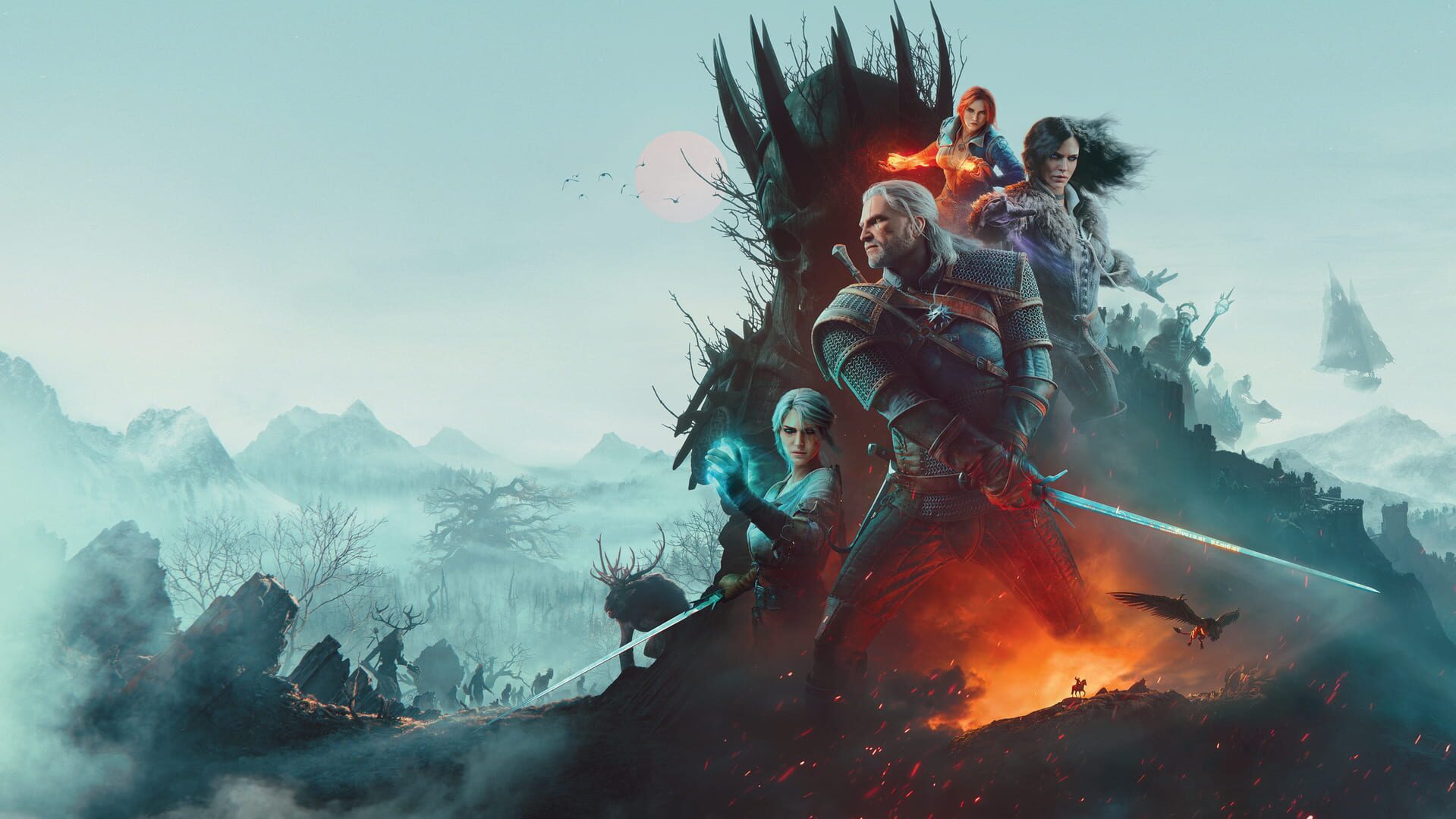
The visual overhaul is the headline, and it's a deep one. The Remastered edition runs on a new shading model with updated textures and models drawing inspiration from the long-running community favorite, the Witcher 3 HD Reworked Project. Grass and foliage lighting has been reworked, Signs and skills now carry new visual effects, and the game renders natively through DirectX 12 with multithreading support. Underneath that sits a stack of smaller but meaningful upgrades:
- Updated tone mapping and GTAO ambient occlusion
- Ray-traced local shadows and refreshed screen space reflections
- Improved motion blur and subsurface scattering
- Reworked terrain and material rendering, image-based lighting, and bloom
None of that would matter much if Geralt still moved like he did in 2015, so combat got its own pass too: revamped animations, new finisher and idle animations, better movement control for both Geralt and Roach, new exploration and dynamic combat cameras, improved target-lock switching, and smoother mounting and dismounting.
A Skill Tree That Makes You Start Over
The biggest systemic change sits in character progression. Skills are now organized into a proper skill tree, with each skill carrying three ranks, and unlocking a new skill requires owning its prerequisites rather than simply having enough points to spend. CD Projekt Red was blunt about the consequence in its own announcement:
Skills are now organized into a skill tree and each skill has three ranks. Unlocking new skills now requires having the necessary prerequisite skills rather than spending a set number of skill points. IMPORTANT: As a result of these changes, your skill points have been reset.
Veterans returning for a nostalgia run will need to rebuild their build from scratch. There's a softer landing elsewhere, though: craftsmen Yoana and Hattori now offer a reforging service that lets players change an item's appearance without touching its stats, and dyes earned in Blood and Wine carry over to reforged gear, so a hard-won look doesn't have to die with an upgrade.
The Menu Nobody Asked For, Everybody Needed
Open the pause screen and the difference is immediate. Meditation now plays as a timelapse instead of a static UI screen. The map has been reorganized for easier quest tracking with new markers, and players can toggle off clutter like herbs, boats, and corpses on the minimap. Quest notifications are combined, loot windows are grouped, and a new loot feed shows item tooltips as they come in. Photo Mode, meanwhile, has been expanded dramatically, adding multiple characters and poses, camera locking, environment presets, aspect ratio options, a first-person camera, weather and time control, rule-of-thirds guides, and the ability to hide NPCs or place props.
The most consequential addition, though, is the new Accessibility menu, anchored by something called the Bard's Ballad preset. It's built to lower cognitive load by simplifying mechanics and disabling select features, with individual toggles for vitality regeneration boosts, infinite breath, unlimited item and boat durability, ignoring item weight, faster boats, and a toggle for Witcher Sense. Paired with streamlined tutorials, a quick-disengage option for combat, and the ability to loot without dismounting Roach, it's a version of the game actively trying to remove friction that has nothing to do with difficulty and everything to do with inclusion.
Mods Walk Through the Front Door
For years, modding The Witcher 3 meant owning it on PC. That wall comes down with cross-platform mod support through mod.io, letting players browse and install community mods on consoles as well as PC, while the REDkit modding tools themselves have also been improved. It's a quiet but significant shift for console players who've spent a decade watching PC communities rebuild Geralt's world from the outside.
| Area | Key Change |
|---|---|
| Visuals | New shading model, DX12, ray-traced shadows, reworked bloom |
| Progression | Skill tree with three ranks, points reset |
| Customization | Reforging via Yoana and Hattori, carried-over dyes |
| Accessibility | Bard's Ballad preset, new accessibility menu |
| Modding | Cross-platform support via mod.io, improved REDkit |
What This Remaster Refuses to Fix
With everything rebuilt under the hood, it would've been easy to also sand down the game's rougher edges, its dated quest logic, its occasionally clunky inventory, its very 2015 pacing in places. The remaster doesn't bother, and critics have noticed that restraint as a strength rather than a shortfall. As one review put it plainly:
The many improvements to The Witcher 3 do not change the game's fundamental nature or its flaws, and that's for the best.
That's really the throughline of this whole release. CD Projekt Red didn't reimagine The Witcher 3; it polished the glass without repainting the picture. Eleven years on, the picture still holds up, and now it finally looks like it.
Sources :


Comments 0