
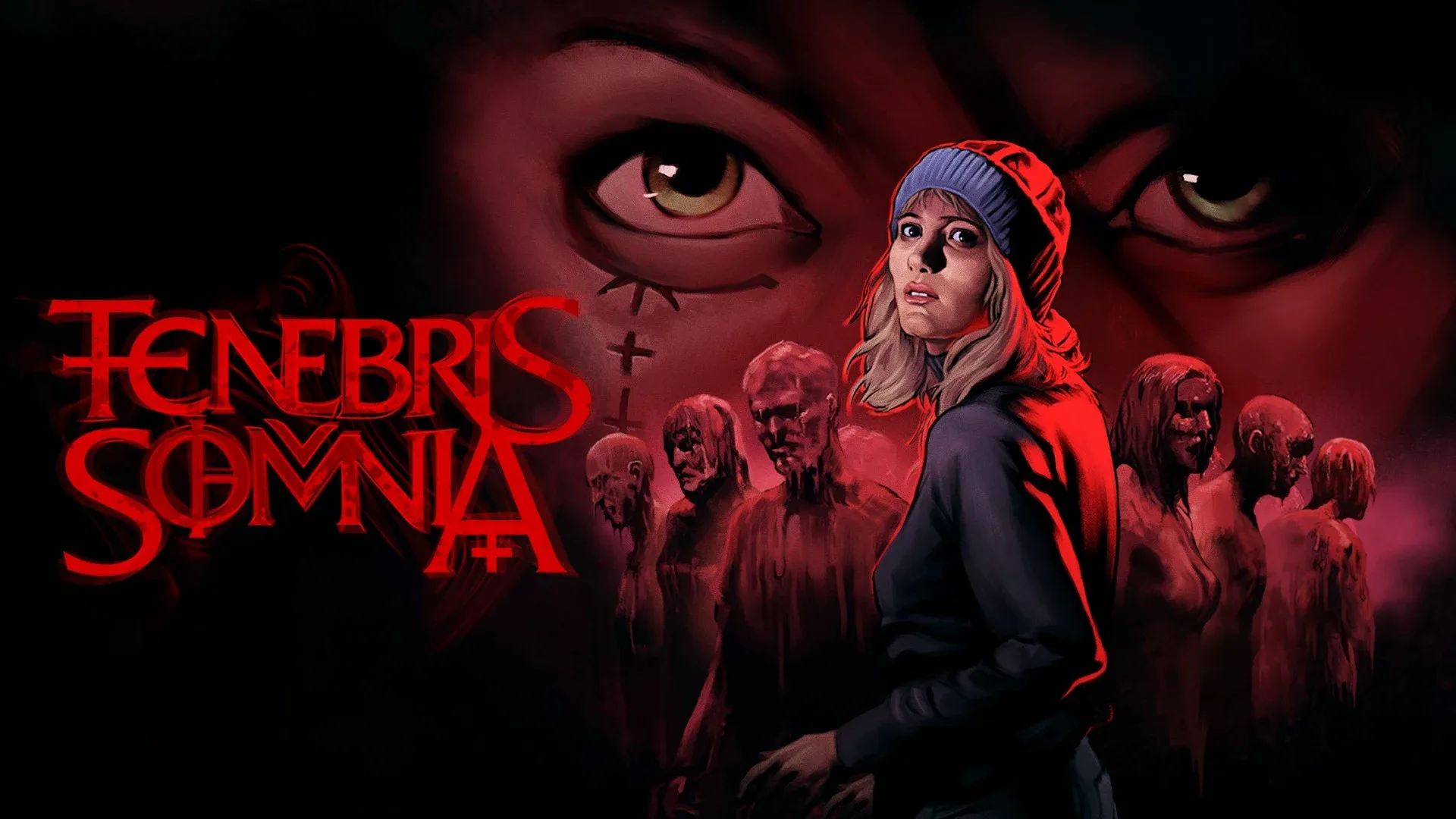
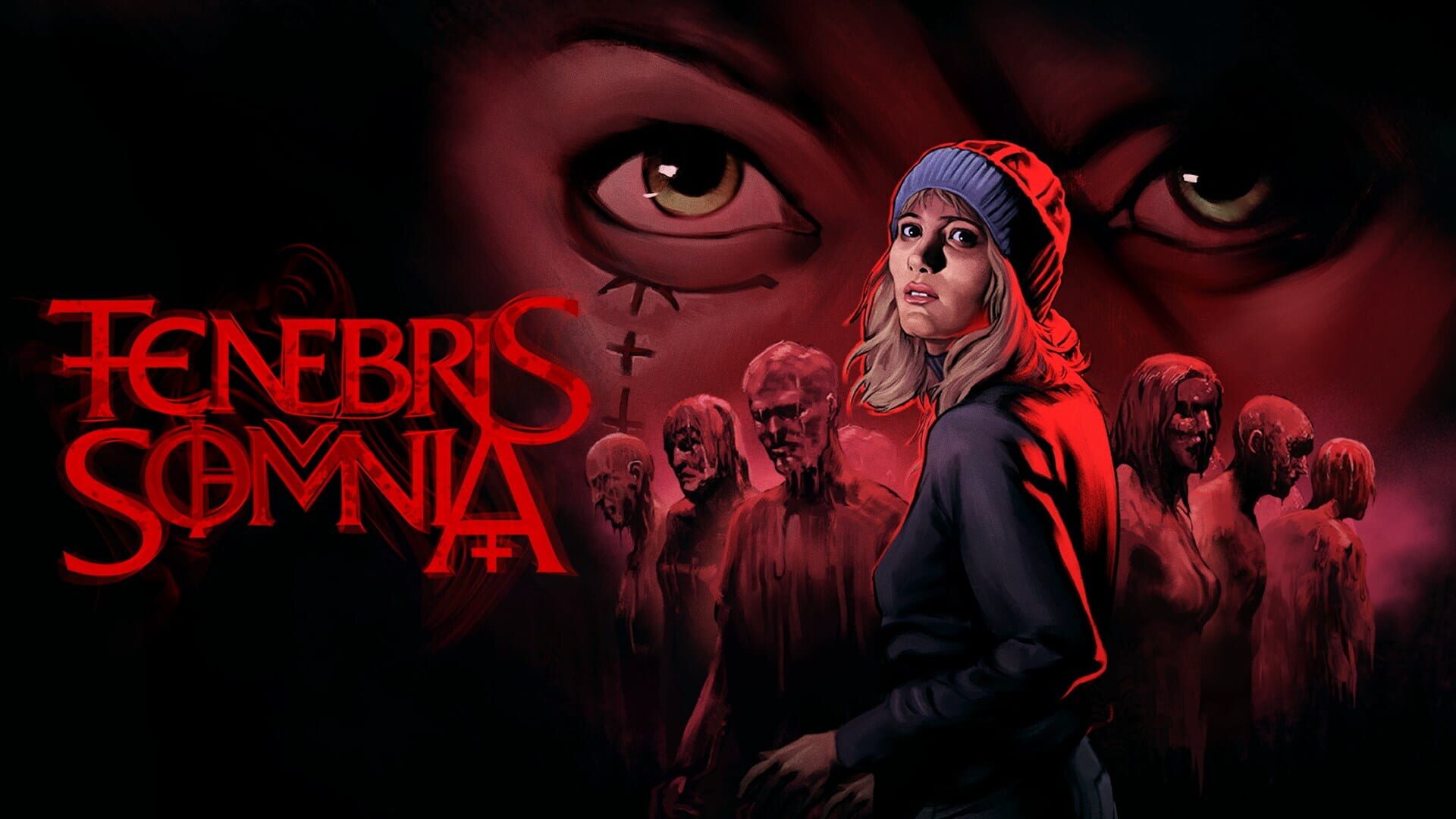
Picture the moment: Julia is creeping through a pixelated hallway, sprite-sheet shadows flickering on cheap tile floors, when the screen tears into static and a live-action face fills the frame — her ex-boyfriend, grainy and lit like a VHS tape left too long in the sun. Then it's gone, and you're back to dodging a slow-walking sprite with a kitchen knife. That whiplash is the entire pitch of Tenebris Somnia, which landed on October 16, 2026 for PC, PlayStation 5, Xbox Series X|S, Nintendo Switch, and Nintendo Switch 2. A game built on a visual contradiction invites a lot of assumptions. Some of them are true. Most of them aren't.
Myth: the FMV is a nostalgia stunt bolted onto a pixel game
The easy read is that developers Andrés Borghi and Tobías Rusjan, working with Saibot Studios under publisher New Blood Interactive, slapped grainy live-action footage onto a retro game because FMV horror is having a moment. The reality is closer to the opposite: the pixel art and the FMV cutscenes are reported as co-equal halves of one deliberate style, built to fuse nostalgic visuals with cinematic storytelling rather than decorate it. Borghi made the point bluntly when asked whether machine-generated shortcuts could have produced the same effect.
"AI could never make Tenebris Somnia, let's just say that," — Andrés Borghi, developer.
That's a defensive line, sure, but it lands because the FMV footage carries real narrative weight: Julia's nightmares about her ex-boyfriend and a mysterious cult aren't window dressing, they're the emotional spine the pixel-art combat hangs off of. Strip the cutscenes out and you lose the reason the horror sticks.
Myth: the combat is the scariest part
Survival horror branding sets an expectation: tense, resource-starved fights that define the experience. Here, the opposite seems to be true. The combat leans on reload timing and one-hit kills, and that design has reportedly frustrated some players rather than unsettled them — a mechanical friction point, not a horror highlight. The scares, by most accounts, come from the puzzles and the atmosphere the FMV sequences build, not from the fights. If you go in expecting Resident Evil-grade combat tension, you may instead find yourself annoyed at a reload window rather than afraid of what's behind the door.
Myth: it's a straight line from start to credits
Given the small-studio pedigree, you might assume a tight, linear horror runtime. Instead the developers built toward non-linear progression and puzzles that lean on environmental storytelling, with outcomes that branch meaningfully. There are reportedly at least four possible endings, shaped by player choices made across the run. That's a structural commitment, not a marketing footnote — it changes how the puzzle design has to be built from the ground up, since choices have to ripple forward instead of just gating a final cutscene.
Myth: New Blood only publishes fast, loud, ultra-violent games
New Blood Interactive's reputation was built on Dusk and Ultrakill — games about speed, noise, and gibs. A slow, emotionally driven horror-adventure about memory and a toxic relationship looks, on paper, like a detour. But the studio's own framing suggests they see it as consistent with their identity, not a departure from it.
"People are going to be like, 'Oh, damn, the game is really good, too. It's not just the cutscenes.' And then we'll be like, 'Well, yeah, it's a New Blood game. What do you expect?'"
The connective tissue isn't genre, it's a stated preference for unique, challenging experiences over safe ones — whether that's a boomer-shooter or a pixel-and-FMV nightmare about an ex-boyfriend and a cult.
Myth: a niche horror game can't justify a five-platform launch
Small narrative horror titles usually land on PC first and consoles later, if ever. Tenebris Somnia instead launched day-one across a wide spread:
| Platform | Launch status |
|---|---|
| PC | Available October 16, 2026 |
| PlayStation 5 | Available October 16, 2026 |
| Xbox Series X|S | Available October 16, 2026 |
| Nintendo Switch | Available October 16, 2026 |
| Nintendo Switch 2 | Available October 16, 2026 |
That's a broad bet for a studio whose public-facing identity still leans on cult shooters, and it suggests the team's engine work — a scalable pipeline meant to hold up across PC configurations, plus streaming for large interconnected environments — was built with that spread in mind from early development, not patched on after the fact.
What actually holds up
Strip away the assumptions and what's left is a game that seems to know exactly what it is: arthouse-inflected horror about a woman unable to put down a relationship that's already over, wrapped in a visual gimmick that turns out to be load-bearing. Early Steam reception — a 100% positive rating from its first 16 users at launch — is a small sample, but it tracks with a design team that clearly argued, internally and publicly, for sincerity over cynicism. One line from the Tokyo Direct interview sums up the tone better than any review score could.
- "You'll laugh, you'll cry, you'll call your ex."
That's either a great pitch or a warning label. Probably both.
Sources :



Comments 0