
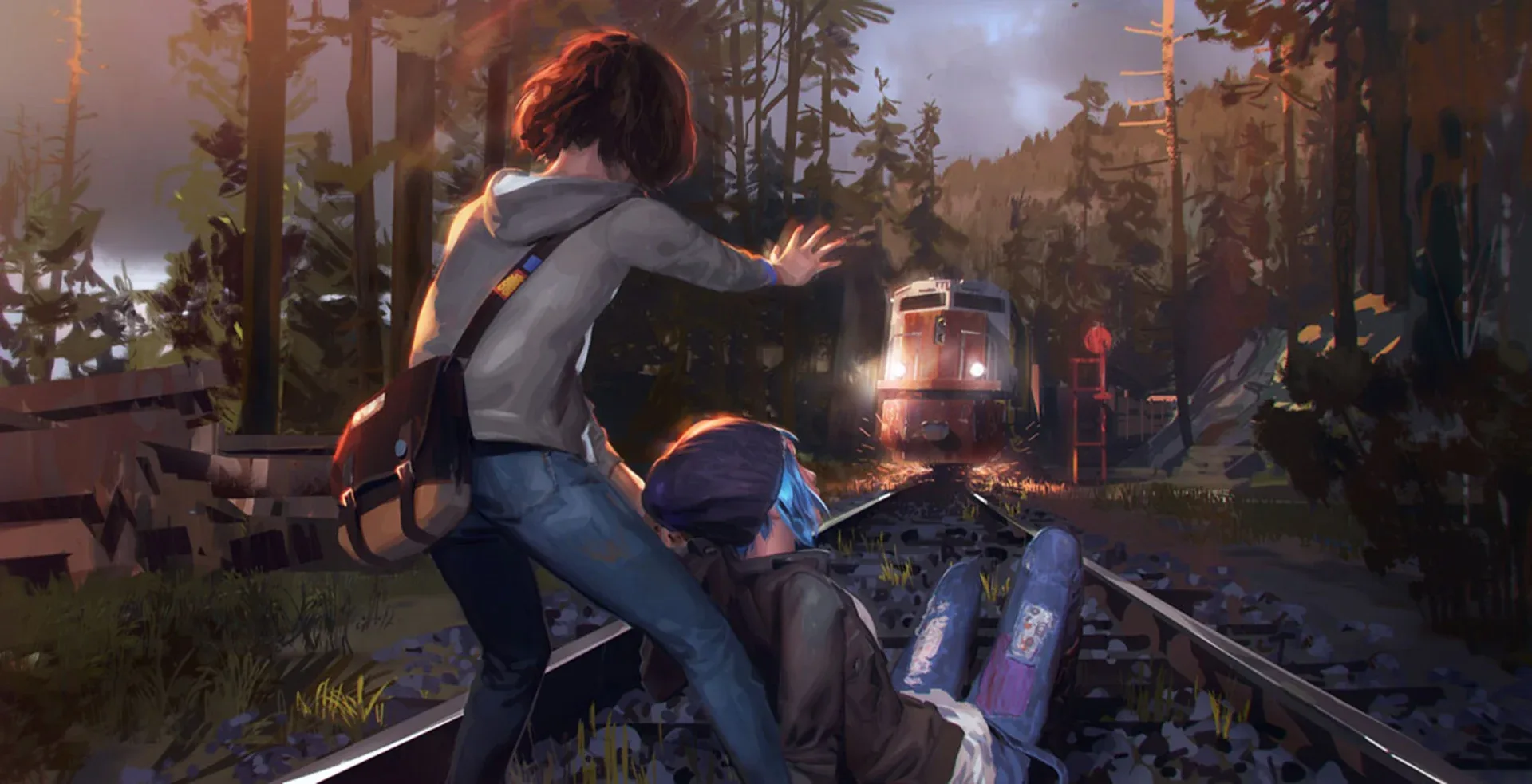


Picture the moment that made this studio famous: Max Caulfield rewinds time in a Blackwell Academy bathroom, photograph in hand, trying to undo a shot that already happened. Eleven years later, the studio that built that mechanic can't rewind its own balance sheet. On October 19, 2026, Life Is Strange developer Don't Nod opened safeguard proceedings in a Paris court, and within hours the internet had decided what that meant — most of it wrong. Here's what's actually true, myth by myth.
Myth: Don't Nod has filed for bankruptcy
This is the headline nearly everyone reached for, and it's not accurate. Don't Nod opened safeguard proceedings, a French legal mechanism that functions like Chapter 11 in the United States: a company gets a protected window to restructure while creditors are held off, rather than being liquidated. The Paris Business Court appointed SELARL DÉTROIT, represented by Maître Charles-Henri Carboni, as court-appointed administrator, and the studio now has a six-month observation period to secure financing and keep the lights on. The company's own statement called the move "a proactive, protective measure intended to provide the necessary framework and time to build a sustainable solution." That's a company buying itself time, not one shutting its doors.
Myth: this came out of nowhere
It didn't. Back in September 2026, Don't Nod had already announced a transformation plan to refocus its French operations around a single production line, warning it could affect up to 85 positions in France and flagging that it might not survive past January without new financing. CEO Oskar Guilbert put the industry-wide pressure in plain terms:
"This first half of the year confirms the major challenges facing our industry. We must adapt our business model with clarity and responsibility."
The October filing is the formal, legal continuation of a warning the studio had already given a month earlier.
Myth: this is just Don't Nod being badly run
The numbers point to a company under real strain, but not uniquely so. Don't Nod reported H1 2026 revenue of €6.1 million, down 14% year over year, with an operating EBITDA loss that widened sharply:
| Metric | H1 2025 | H1 2026 |
|---|---|---|
| Operating EBITDA | −€2.0 million | −€4.3 million |
| Revenue | higher baseline | €6.1 million (−14%) |
That deterioration lines up with Guilbert's own framing of an industry-wide problem, not a single studio's mistake. Mid-sized independent developers across the board have been squeezed by the same market pressures Don't Nod is now navigating in public.
Myth: this is the end of Life Is Strange as a franchise
Nothing in the filing says that. Don't Nod's portfolio is bigger than one series — the studio built Life Is Strange, but also Tell Me Why, Twin Mirror, Vampyr, Banishers: Ghosts of New Eden, and Remember Me, working across the years with publishers including Square Enix, Microsoft, Bandai Namco Entertainment, Focus Entertainment, and Capcom. The safeguard proceedings freeze liabilities incurred before the ruling for the duration of the process — a legal shield, not a shutdown notice. What happens to any specific future project remains genuinely unknown; that's one of the open questions nobody, including the studio, has answered yet.
Myth: every part of Don't Nod is being cut equally
Also false, and this is the detail worth remembering if you're trying to figure out what survives. The September transformation plan was explicit that it would refocus French operations only, with no impact on the Montreal studio. The up-to-85-position reduction is a France-specific number, not a company-wide one. Whatever shape Don't Nod takes after this observation period, Montreal looks like the part of the map that isn't currently on the table.
What actually changes for players, right now
In the short term: nothing visible. Safeguard proceedings don't pull games from storefronts or shut servers off. What matters is the clock Don't Nod is now racing against — the company has said its ability to continue operating beyond January 31, 2027 depends on securing external financing within that six-month window. That's the date to watch, not October 19th itself. The filing bought breathing room; it didn't solve the underlying problem.
- Safeguard proceedings ≠ bankruptcy — it's a protective legal process, similar to US Chapter 11
- The warning signs were public since September 2026, not a sudden shock
- Montreal is explicitly excluded from the French restructuring
- The real deadline is January 31, 2027, when financing needs to be in place
None of this guarantees a happy ending. But treating a safeguard filing as a studio obituary gets the legal reality backwards — and for a developer whose whole creative identity is built on second chances and rewound moments, that distinction feels almost on-brand.
Sources :




Comments 0