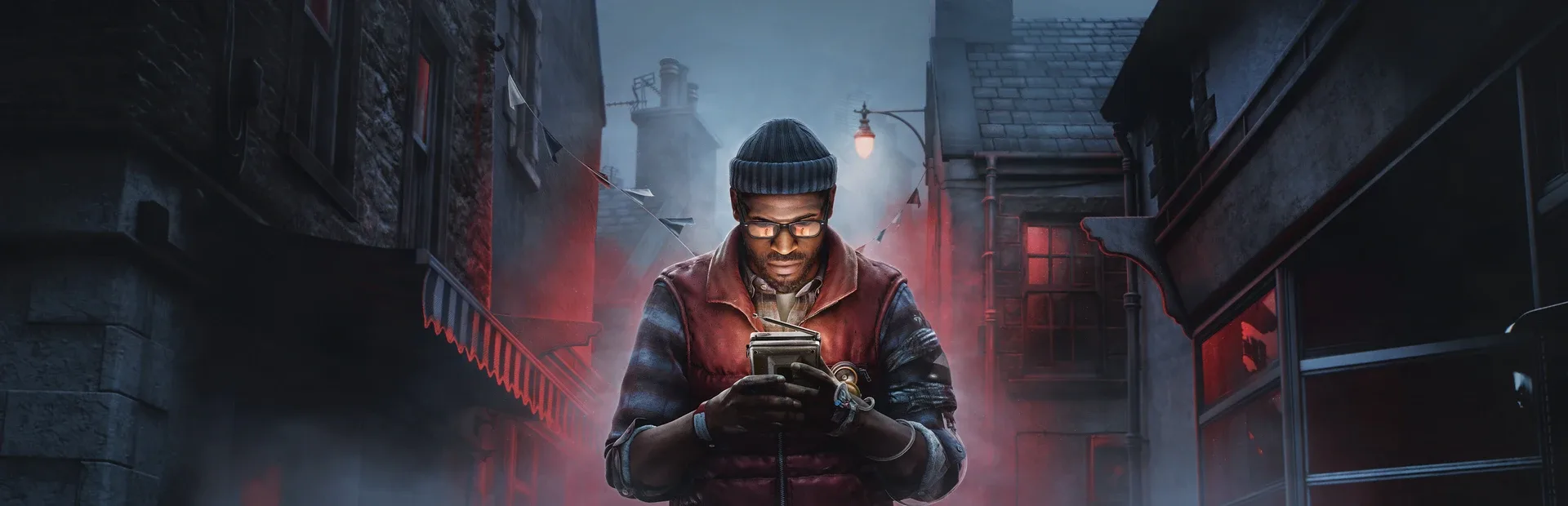

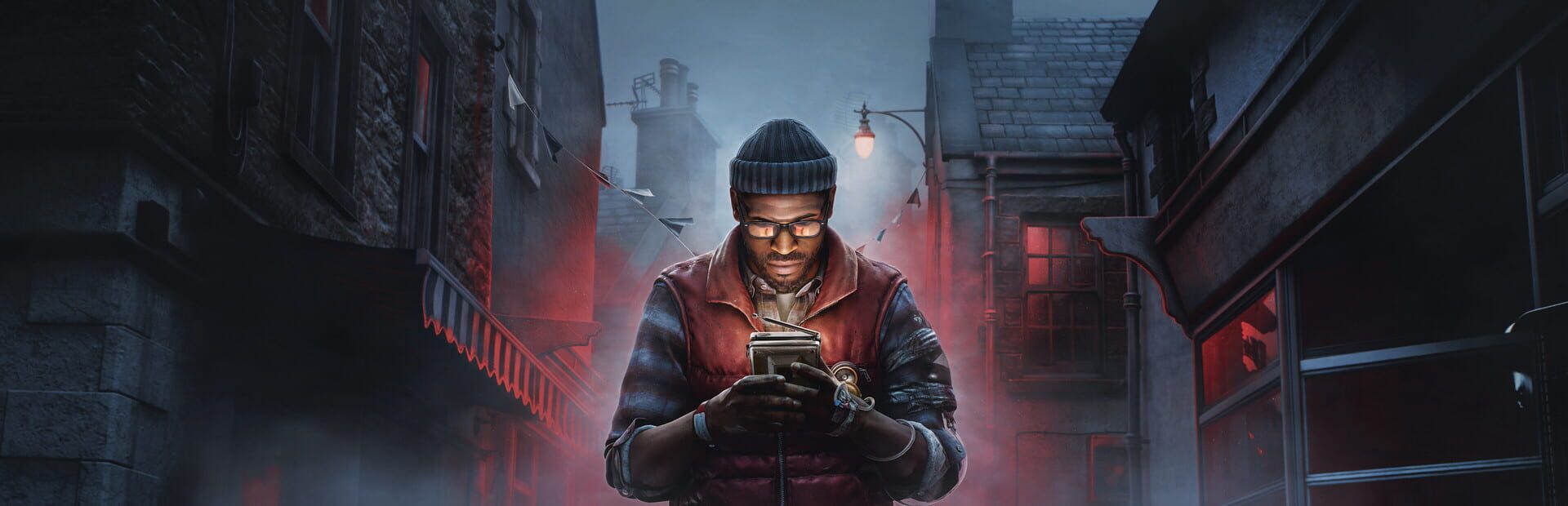
Silent Hill: Townfall is the best Silent Hill game in a quarter century, and it got there by making the series worse at the one thing horror games are supposed to be good at: fighting back.
A Fog Bank Built by an Unlikely Trio
Silent Hill: Townfall arrived on September 24, 2026, for PC and PlayStation 5, and the credits alone tell you something changed in how Konami thinks about this franchise. The game is developed by Screen Burn and published jointly by Annapurna Interactive and Konami. That pairing is not cosmetic. Annapurna built its reputation signing small, author-driven studios and letting them finish the thought. Konami, for two decades, has treated Silent Hill as either a licensing asset or a cautionary tale. Putting those two names on the same box is Konami admitting, quietly, that it no longer trusts itself to steer the tone of this series alone.
The Town That Isn't Silent Hill
Screen Burn's answer to that trust problem was to leave the town behind. Townfall is set in a remote Scottish settlement called St. Amelia, and critics have called it the most convincingly local horror setting in recent memory, the kind of place that feels assembled from real upbringing rather than genre shorthand. That is the correct move. A new studio trying to out-fog the original Silent Hill was always going to lose a nostalgia contest. Building an entirely different, believable place sidesteps the comparison altogether — you're not grading Townfall against Silent Hill 2, you're grading St. Amelia against reality.
The Real Gamble Wasn't the Setting
The setting was the safe bet. The real risk was the camera. Townfall drops the series' fixed and over-the-shoulder traditions for a full first-person perspective, and reviewers have called the switch genius for how it tightens dread and immersion. One reviewer put it bluntly:
"Silent Hill: Townfall is one of the most intense games I've ever played — and I loved (nearly) every moment."
That "nearly" is doing more work than it looks like. First-person horror lives or dies on what the player can and can't control in close quarters, and that is exactly where Townfall's design choices get complicated.
What Screen Burn Traded Away to Make You Scared
Here is the uncomfortable part of the pitch: Townfall is, by design, worse at combat than its predecessors, and that appears to be deliberate rather than accidental. Combat is described as simple and quick to lose its tension, to the point that the smarter play is almost always avoidance rather than engagement. The same review notes that "combat loses its risk and intensity quickly, making enemies mere annoyances rather than threats." The CRTV device — a tracking and puzzle tool that matters early — follows a similar arc, becoming underutilized as the game progresses rather than deepening alongside it.
| Element | Critical read |
|---|---|
| Setting | Praised as believable, atmospheric, distinctly Scottish |
| Perspective (first-person) | Called a genius switch that heightens immersion |
| Combat | Simple, low-risk, loses tension quickly |
| CRTV device | Important early, underutilized later |
| Story and atmosphere | Cryptic but intriguing, tense enemy encounters |
Read that table as a design memo, not a scorecard. A studio that wanted combat to matter would have built a combat system that mattered. Screen Burn instead built a game where fighting is deliberately unrewarding, which only makes sense if the goal was never action-horror parity — it was to push every player toward the same behavior: run, hide, don't test the mechanics too hard. That's a legitimate horror strategy. It is also a studio betting that nobody will finish the game and complain that the fists feel thin, because the fog, the sound design, and the town itself are doing the actual work.
Why the Compromise Still Reads as a Win
On the technical side, the Tom's Guide review notes the game looks phenomenal on PlayStation 5 Pro, with only minor technical issues and one notably poor puzzle weighing against it. That is a short list of complaints for a horror reboot carrying this much franchise weight. Reception outside the review itself has echoed the same verdict: broad coverage into mid-October has continued to frame Townfall as respecting the series' legacy while delivering fresh scares, rather than coasting on the name.
The Bet Konami Just Validated
Bloober Team proved a straight remake could work. Townfall proves something riskier: that Silent Hill can survive a new studio, a new country, and a new camera, provided the atmosphere never slips. The combat and the CRTV device are the visible seams in that bet — the parts where ambition outran polish. But judged as a whole, Townfall is a franchise finding a second life by admitting what it's actually good at, and declining to pretend otherwise.
Sources :


Comments 0