
Best games
Best games of 1991
The 19 best games released in 1991, ranked from 5,215 critic and player ratings.
The best game of 1991 is The Legend of Zelda: A Link to the Past, with a critic score of 100/100 — updated September 2026.
How this ranking is built
- Games are ranked on the aggregated critic score out of 100 imported from IGDB and Metacritic, never on Tier's own grades.
- A game only enters the ranking with at least 80 external ratings, so a single enthusiastic review never outranks a proven classic.
- Community grades from F to S are shown next to every game, and only stated as a fact above 5 Tier ratings.
- Release window covered: 1991.
- 19 games are listed on this page, carrying 5,215 ratings between them.
- Rankings are recomputed hourly; this one was last rebuilt on 28 September 2026.
Top 19
01
 The Legend of Zelda: A Link to the Past
Venture back to Hyrule and an age of magic and heroes. The predecessors of Link and Zelda face monsters on the march when a menacing magician takes over the kingdom. Only you can prevent his evil plot from shattering the land of Hyrule. In your quest, you'll venture into twisting mazes, dungeons, palaces and shadowy forests. Test your mettle with mighty swords and magical weapons. Or heft a boulder and hurl it at your enemies. If the going gets tough, dive into a river - you can swim to escape! Learn powerful spells, locate magical artifacts and solve the mysteries of the evil magician and the hidden realm of Hyrule.
100
/100
02
The Legend of Zelda: A Link to the Past
Venture back to Hyrule and an age of magic and heroes. The predecessors of Link and Zelda face monsters on the march when a menacing magician takes over the kingdom. Only you can prevent his evil plot from shattering the land of Hyrule. In your quest, you'll venture into twisting mazes, dungeons, palaces and shadowy forests. Test your mettle with mighty swords and magical weapons. Or heft a boulder and hurl it at your enemies. If the going gets tough, dive into a river - you can swim to escape! Learn powerful spells, locate magical artifacts and solve the mysteries of the evil magician and the hidden realm of Hyrule.
100
/100
02
 Super Castlevania IV
A century of Transylvanian tranquility is about to come to a shocking end. Once again the mortifying screams of helpless villagers shake the ground as they huddle against new nightmarish horrors unleashed by the Duke of Darkness, Count Dracula. And this time he has a tombstone with your name on it, Simon Belmont. You must descend into Castle of the Undead and its gruesome ground, accompanied by the most chilling sound effects to ever tingle your spine. Inside, a freshly dug 11 levels maze features the treacherous Terrace of Terror, the dangerous Rotating Dungeon, the Sunken Ruins of Lost Spirits, torture chambers and creature filled caves. Use your whip like a grappling hook and swing past hundreds of traps and a host of ghost freaks, living corpses and hidden goblins. All while dodging or destroying the unpredictable spitting lizards, carnivorous coffins, and more. Find the concealed weapons needed to defeat everything from eerie phantoms to haunted furniture. Then prepare to find yourself face-to-thing with hideous torments like the Tongue Lasher, the Darkest Knight, the Bone-Afide Horseman and the Granite Crusher. When your nerves get shot, use your password and take a breather. But forge on, Simon Belmont, because if you though Dracula was down for the count, he's only just begun to fright!
100
/100
03
Super Castlevania IV
A century of Transylvanian tranquility is about to come to a shocking end. Once again the mortifying screams of helpless villagers shake the ground as they huddle against new nightmarish horrors unleashed by the Duke of Darkness, Count Dracula. And this time he has a tombstone with your name on it, Simon Belmont. You must descend into Castle of the Undead and its gruesome ground, accompanied by the most chilling sound effects to ever tingle your spine. Inside, a freshly dug 11 levels maze features the treacherous Terrace of Terror, the dangerous Rotating Dungeon, the Sunken Ruins of Lost Spirits, torture chambers and creature filled caves. Use your whip like a grappling hook and swing past hundreds of traps and a host of ghost freaks, living corpses and hidden goblins. All while dodging or destroying the unpredictable spitting lizards, carnivorous coffins, and more. Find the concealed weapons needed to defeat everything from eerie phantoms to haunted furniture. Then prepare to find yourself face-to-thing with hideous torments like the Tongue Lasher, the Darkest Knight, the Bone-Afide Horseman and the Granite Crusher. When your nerves get shot, use your password and take a breather. But forge on, Simon Belmont, because if you though Dracula was down for the count, he's only just begun to fright!
100
/100
03
 Sid Meier's Civilization
 is a turn-based strategy computer game created by Sid Meier for MicroProse in 1991.The game's objective is "...to build an empire that would stand the test of time". The game begins in 4000 BC, and the players attempt to expand and develop their empires through the ages until modern and near-future times. It is also known simply as Civilization.
89
/100
Sid Meier's Civilization
Sid Meier's Civilization is a turn-based strategy computer game created by Sid Meier for MicroProse in 1991.The game's objective is "...to build an empire that would stand the test of time". The game begins in 4000 BC, and the players attempt to expand and develop their empires through the ages until modern and near-future times. It is also known simply as Civilization.
89
/100
The Legend of Zelda: A Link to the Past
Venture back to Hyrule and an age of magic and heroes. The predecessors of Link and Zelda face monsters on the march when a menacing magician takes over the kingdom. Only you can prevent his evil plot from shattering the land of Hyrule. In your quest, you'll venture into twisting mazes, dungeons, palaces and shadowy forests. Test your mettle with mighty swords and magical weapons. Or heft a boulder and hurl it at your enemies. If the going gets tough, dive into a river - you can swim to escape! Learn powerful spells, locate magical artifacts and solve the mysteries of the evil magician and the hidden realm of Hyrule.
100
/100
02
Super Castlevania IV
A century of Transylvanian tranquility is about to come to a shocking end. Once again the mortifying screams of helpless villagers shake the ground as they huddle against new nightmarish horrors unleashed by the Duke of Darkness, Count Dracula. And this time he has a tombstone with your name on it, Simon Belmont. You must descend into Castle of the Undead and its gruesome ground, accompanied by the most chilling sound effects to ever tingle your spine. Inside, a freshly dug 11 levels maze features the treacherous Terrace of Terror, the dangerous Rotating Dungeon, the Sunken Ruins of Lost Spirits, torture chambers and creature filled caves. Use your whip like a grappling hook and swing past hundreds of traps and a host of ghost freaks, living corpses and hidden goblins. All while dodging or destroying the unpredictable spitting lizards, carnivorous coffins, and more. Find the concealed weapons needed to defeat everything from eerie phantoms to haunted furniture. Then prepare to find yourself face-to-thing with hideous torments like the Tongue Lasher, the Darkest Knight, the Bone-Afide Horseman and the Granite Crusher. When your nerves get shot, use your password and take a breather. But forge on, Simon Belmont, because if you though Dracula was down for the count, he's only just begun to fright!
100
/100
03
Sid Meier's Civilization
Sid Meier's Civilization is a turn-based strategy computer game created by Sid Meier for MicroProse in 1991.The game's objective is "...to build an empire that would stand the test of time". The game begins in 4000 BC, and the players attempt to expand and develop their empires through the ages until modern and near-future times. It is also known simply as Civilization.
89
/100
04
 Monkey Island 2: LeChuck's Revenge
Wannabe pirate Guybrush Threepwood, and the now zombie pirate LeChuck, return in what has long been considered one of the greatest LucasArts adventure games of all time. Having seemingly defeated the evil ghost pirate LeChuck in his first adventure, Guybrush Threepwood sets his sights on the legendary treasure of Big Whoop. But wait, LeChuck is now back in zombie form and he's out for revenge. Guybrush will have to use his wits, his humor and his insatiable desire for adventure to defeat his nemesis once and for all and truly prove himself the greatest pirate in the Caribbean. Voodoo dolls, spitting contests and amusement parks are just some of the challenges Guybrush must overcome as he meets old friends, fights new enemies and uses every ounce of his mojo to overcome the wrath of LeChuck's revenge.
88
/100
05
Monkey Island 2: LeChuck's Revenge
Wannabe pirate Guybrush Threepwood, and the now zombie pirate LeChuck, return in what has long been considered one of the greatest LucasArts adventure games of all time. Having seemingly defeated the evil ghost pirate LeChuck in his first adventure, Guybrush Threepwood sets his sights on the legendary treasure of Big Whoop. But wait, LeChuck is now back in zombie form and he's out for revenge. Guybrush will have to use his wits, his humor and his insatiable desire for adventure to defeat his nemesis once and for all and truly prove himself the greatest pirate in the Caribbean. Voodoo dolls, spitting contests and amusement parks are just some of the challenges Guybrush must overcome as he meets old friends, fights new enemies and uses every ounce of his mojo to overcome the wrath of LeChuck's revenge.
88
/100
05
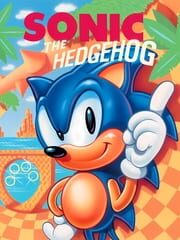 Sonic the Hedgehog
 is a 2D side-scrolling platformer developed by Sonic Team and published by Sega for the Genesis/Mega Drive. Players control Sonic the Hedgehog, who can run at near supersonic speeds and sets out on a quest to defeat Dr. Robotnik, a scientist who has imprisoned animals in robots and seeks the powerful Chaos Emeralds.
85
/100
06
Sonic the Hedgehog
Sonic the Hedgehog is a 2D side-scrolling platformer developed by Sonic Team and published by Sega for the Genesis/Mega Drive. Players control Sonic the Hedgehog, who can run at near supersonic speeds and sets out on a quest to defeat Dr. Robotnik, a scientist who has imprisoned animals in robots and seeks the powerful Chaos Emeralds.
85
/100
06
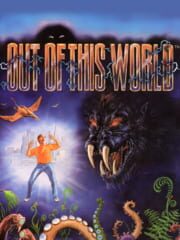 Out of This World
 (Another World in Europe) is a cinematic platformer that uses vector-based graphics and rotoscoped animations to deliver a minimalistic yet expressive visual style. It features a combination of action, platforming, and puzzle-solving mechanics, with a deliberate lack of HUD and textual guidance. Gameplay emphasizes trial-and-error, timing, and exploration, with a limited checkpoint system. In 2005, a homebrew port of the Atari ST version was released for the Game Boy Advance, officially allowed by Éric Chahi to be published with the original assets.
84
/100
07
Out of This World
Out of This World (Another World in Europe) is a cinematic platformer that uses vector-based graphics and rotoscoped animations to deliver a minimalistic yet expressive visual style. It features a combination of action, platforming, and puzzle-solving mechanics, with a deliberate lack of HUD and textual guidance. Gameplay emphasizes trial-and-error, timing, and exploration, with a limited checkpoint system. In 2005, a homebrew port of the Atari ST version was released for the Game Boy Advance, officially allowed by Éric Chahi to be published with the original assets.
84
/100
07
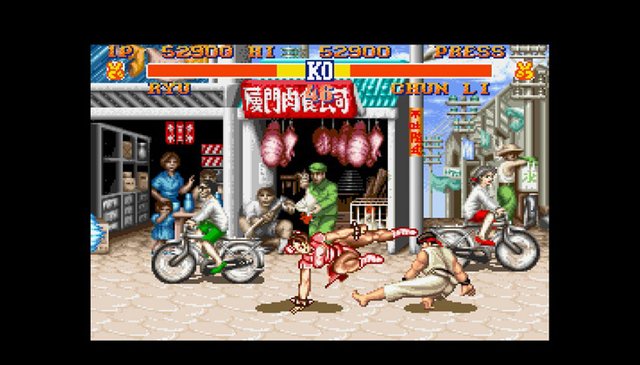 Street Fighter II: The World Warrior (1991)
84
/100
08
Street Fighter II: The World Warrior (1991)
84
/100
08
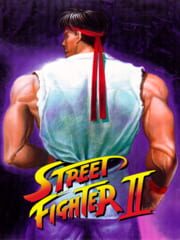 B
Street Fighter II
A sequel to Street Fighter, Street Fighter II improved upon the many concepts introduced in the first game, including the use of command-based special moves and a six-button configuration, while offering players a selection of multiple playable characters, each with their own unique fighting style and special moves. Street Fighter II is credited for starting the fighting game boom during the 1990s. Its success led to the production of several updated versions, each offering additional features and characters over previous versions, as well as many home versions. Some of the home versions of the Street Fighter II games have sold millions of copies, with the SNES port of the first Street Fighter II being Capcom's best-selling consumer game of all-time as of 2008. Street Fighter II follows several of the conventions and rules already established by its original 1987 predecessor. The player engages opponents in one-on-one close quarter combat in a series of best-two-out-of-three matches. The objective of each round is to deplete the opponent's vitality before the timer runs out. If both opponents knock each other out at the same time or the timer runs out with both fighters having an equal amount of vitality left, a "double KO" or "draw game" is declared and additional rounds will be played until sudden death. In the first Street Fighter II, a match could last up to ten rounds if there was no clear winner; this was reduced to four rounds in Champion Edition and onward. If there is no clear winner by the end of the final round, then either the computer-controlled opponent will win by default in a single-player match or both fighters will lose in a 2-player match. After every third match in the single player mode, the player will participate in a "bonus game" for additional points. The bonus games includes (in order) a car-breaking event; a barrel breaking bonus game where the barrels are dropped off from a conveyor belt above the player; and a drum-breaking bonus game where drums are flammable and piled over each other. The bonus games were removed from the arcade version of Super Street Fighter II Turbo. Like in the original, the game's controls uses a configuration of an eight-directional joystick and six attack buttons. The player uses the joystick to jump, crouch and move the character towards or away from the opponent, as well as to guard the character from an opponent's attacks. There are three punch buttons and three kick buttons of differing strength and speed (Light, Medium and Heavy). The player can perform a variety of basic moves in any position, including grabbing/throwing attacks, which were not featured in the original Street Fighter. Like in the original, the player can perform special moves by inputting a combination of directional and button-based commands. Street Fighter II differs from the original due to the selection of multiple playable characters, each with their distinct fighting styles and special moves. Additionally, the player can also "cancel" during animation by performing another move, allowing for a combination of several basic and special moves. Both of these features would be expanded upon in subsequent installments.
83
/100
09
B
Street Fighter II
A sequel to Street Fighter, Street Fighter II improved upon the many concepts introduced in the first game, including the use of command-based special moves and a six-button configuration, while offering players a selection of multiple playable characters, each with their own unique fighting style and special moves. Street Fighter II is credited for starting the fighting game boom during the 1990s. Its success led to the production of several updated versions, each offering additional features and characters over previous versions, as well as many home versions. Some of the home versions of the Street Fighter II games have sold millions of copies, with the SNES port of the first Street Fighter II being Capcom's best-selling consumer game of all-time as of 2008. Street Fighter II follows several of the conventions and rules already established by its original 1987 predecessor. The player engages opponents in one-on-one close quarter combat in a series of best-two-out-of-three matches. The objective of each round is to deplete the opponent's vitality before the timer runs out. If both opponents knock each other out at the same time or the timer runs out with both fighters having an equal amount of vitality left, a "double KO" or "draw game" is declared and additional rounds will be played until sudden death. In the first Street Fighter II, a match could last up to ten rounds if there was no clear winner; this was reduced to four rounds in Champion Edition and onward. If there is no clear winner by the end of the final round, then either the computer-controlled opponent will win by default in a single-player match or both fighters will lose in a 2-player match. After every third match in the single player mode, the player will participate in a "bonus game" for additional points. The bonus games includes (in order) a car-breaking event; a barrel breaking bonus game where the barrels are dropped off from a conveyor belt above the player; and a drum-breaking bonus game where drums are flammable and piled over each other. The bonus games were removed from the arcade version of Super Street Fighter II Turbo. Like in the original, the game's controls uses a configuration of an eight-directional joystick and six attack buttons. The player uses the joystick to jump, crouch and move the character towards or away from the opponent, as well as to guard the character from an opponent's attacks. There are three punch buttons and three kick buttons of differing strength and speed (Light, Medium and Heavy). The player can perform a variety of basic moves in any position, including grabbing/throwing attacks, which were not featured in the original Street Fighter. Like in the original, the player can perform special moves by inputting a combination of directional and button-based commands. Street Fighter II differs from the original due to the selection of multiple playable characters, each with their distinct fighting styles and special moves. Additionally, the player can also "cancel" during animation by performing another move, allowing for a combination of several basic and special moves. Both of these features would be expanded upon in subsequent installments.
83
/100
09
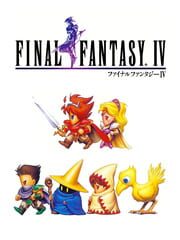 Final Fantasy IV (1991)
FINAL FANTASY IV is the fourth main installment in the FINAL FANTASY series, developed and published by Squaresoft. It was released in July 1991 for the Super Nintendo Entertainment System in Japan, and released as FINAL FANTASY II in North America in October 1991 with alterations made due to Nintendo of America's guidelines at the time.
80
/100
10
Final Fantasy IV (1991)
FINAL FANTASY IV is the fourth main installment in the FINAL FANTASY series, developed and published by Squaresoft. It was released in July 1991 for the Super Nintendo Entertainment System in Japan, and released as FINAL FANTASY II in North America in October 1991 with alterations made due to Nintendo of America's guidelines at the time.
80
/100
10
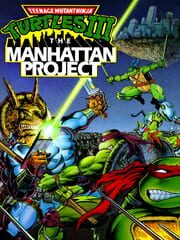 Teenage Mutant Ninja Turtles III: The Manhattan Project
 is a side-scrolling beat-'em-up. The game features play mechanics similar to the previous game, Teenage Mutant Ninja Turtles II: The Arcade Game, but it is an original title for the NES without any preceding arcade version.
79
/100
11
Teenage Mutant Ninja Turtles III: The Manhattan Project
Teenage Mutant Ninja Turtles III: The Manhattan Project is a side-scrolling beat-'em-up. The game features play mechanics similar to the previous game, Teenage Mutant Ninja Turtles II: The Arcade Game, but it is an original title for the NES without any preceding arcade version.
79
/100
11
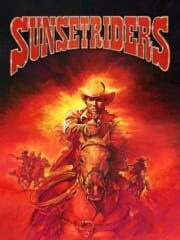 Sunset Riders
79
/100
12
Sunset Riders
79
/100
12
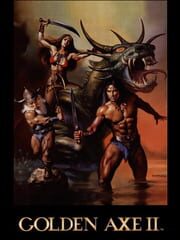 Golden Axe II (1991)
77
/100
13
Golden Axe II (1991)
77
/100
13
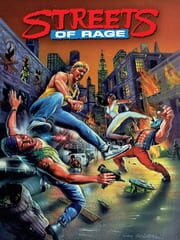 Streets of Rage
76
/100
14
Streets of Rage
76
/100
14
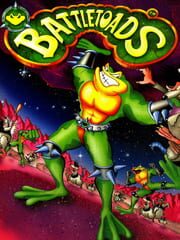 Battletoads
76
/100
15
Battletoads
76
/100
15
 Tiny Toon Adventures
75
/100
16
Tiny Toon Adventures
75
/100
16
 Final Fantasy II
70
/100
17
Final Fantasy II
70
/100
17
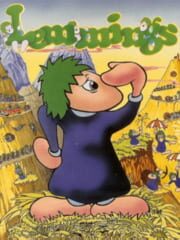 Lemmings
68
/100
18
Lemmings
68
/100
18
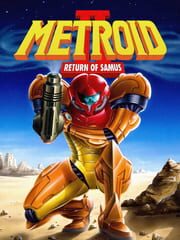 Metroid II: Return of Samus
60
/100
19
Metroid II: Return of Samus
60
/100
19
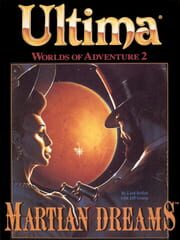 Ultima Worlds of Adventure 2: Martian Dreams
55
/100
Ultima Worlds of Adventure 2: Martian Dreams
55
/100
Monkey Island 2: LeChuck's Revenge
Wannabe pirate Guybrush Threepwood, and the now zombie pirate LeChuck, return in what has long been considered one of the greatest LucasArts adventure games of all time. Having seemingly defeated the evil ghost pirate LeChuck in his first adventure, Guybrush Threepwood sets his sights on the legendary treasure of Big Whoop. But wait, LeChuck is now back in zombie form and he's out for revenge. Guybrush will have to use his wits, his humor and his insatiable desire for adventure to defeat his nemesis once and for all and truly prove himself the greatest pirate in the Caribbean. Voodoo dolls, spitting contests and amusement parks are just some of the challenges Guybrush must overcome as he meets old friends, fights new enemies and uses every ounce of his mojo to overcome the wrath of LeChuck's revenge.
88
/100
05
Sonic the Hedgehog
Sonic the Hedgehog is a 2D side-scrolling platformer developed by Sonic Team and published by Sega for the Genesis/Mega Drive. Players control Sonic the Hedgehog, who can run at near supersonic speeds and sets out on a quest to defeat Dr. Robotnik, a scientist who has imprisoned animals in robots and seeks the powerful Chaos Emeralds.
85
/100
06
Out of This World
Out of This World (Another World in Europe) is a cinematic platformer that uses vector-based graphics and rotoscoped animations to deliver a minimalistic yet expressive visual style. It features a combination of action, platforming, and puzzle-solving mechanics, with a deliberate lack of HUD and textual guidance. Gameplay emphasizes trial-and-error, timing, and exploration, with a limited checkpoint system. In 2005, a homebrew port of the Atari ST version was released for the Game Boy Advance, officially allowed by Éric Chahi to be published with the original assets.
84
/100
07
Street Fighter II: The World Warrior (1991)
84
/100
08
B
Street Fighter II
A sequel to Street Fighter, Street Fighter II improved upon the many concepts introduced in the first game, including the use of command-based special moves and a six-button configuration, while offering players a selection of multiple playable characters, each with their own unique fighting style and special moves. Street Fighter II is credited for starting the fighting game boom during the 1990s. Its success led to the production of several updated versions, each offering additional features and characters over previous versions, as well as many home versions. Some of the home versions of the Street Fighter II games have sold millions of copies, with the SNES port of the first Street Fighter II being Capcom's best-selling consumer game of all-time as of 2008. Street Fighter II follows several of the conventions and rules already established by its original 1987 predecessor. The player engages opponents in one-on-one close quarter combat in a series of best-two-out-of-three matches. The objective of each round is to deplete the opponent's vitality before the timer runs out. If both opponents knock each other out at the same time or the timer runs out with both fighters having an equal amount of vitality left, a "double KO" or "draw game" is declared and additional rounds will be played until sudden death. In the first Street Fighter II, a match could last up to ten rounds if there was no clear winner; this was reduced to four rounds in Champion Edition and onward. If there is no clear winner by the end of the final round, then either the computer-controlled opponent will win by default in a single-player match or both fighters will lose in a 2-player match. After every third match in the single player mode, the player will participate in a "bonus game" for additional points. The bonus games includes (in order) a car-breaking event; a barrel breaking bonus game where the barrels are dropped off from a conveyor belt above the player; and a drum-breaking bonus game where drums are flammable and piled over each other. The bonus games were removed from the arcade version of Super Street Fighter II Turbo. Like in the original, the game's controls uses a configuration of an eight-directional joystick and six attack buttons. The player uses the joystick to jump, crouch and move the character towards or away from the opponent, as well as to guard the character from an opponent's attacks. There are three punch buttons and three kick buttons of differing strength and speed (Light, Medium and Heavy). The player can perform a variety of basic moves in any position, including grabbing/throwing attacks, which were not featured in the original Street Fighter. Like in the original, the player can perform special moves by inputting a combination of directional and button-based commands. Street Fighter II differs from the original due to the selection of multiple playable characters, each with their distinct fighting styles and special moves. Additionally, the player can also "cancel" during animation by performing another move, allowing for a combination of several basic and special moves. Both of these features would be expanded upon in subsequent installments.
83
/100
09
Final Fantasy IV (1991)
FINAL FANTASY IV is the fourth main installment in the FINAL FANTASY series, developed and published by Squaresoft. It was released in July 1991 for the Super Nintendo Entertainment System in Japan, and released as FINAL FANTASY II in North America in October 1991 with alterations made due to Nintendo of America's guidelines at the time.
80
/100
10
Teenage Mutant Ninja Turtles III: The Manhattan Project
Teenage Mutant Ninja Turtles III: The Manhattan Project is a side-scrolling beat-'em-up. The game features play mechanics similar to the previous game, Teenage Mutant Ninja Turtles II: The Arcade Game, but it is an original title for the NES without any preceding arcade version.
79
/100
11
Sunset Riders
79
/100
12
Golden Axe II (1991)
77
/100
13
Streets of Rage
76
/100
14
Battletoads
76
/100
15
Tiny Toon Adventures
75
/100
16
Final Fantasy II
70
/100
17
Lemmings
68
/100
18
Metroid II: Return of Samus
60
/100
19
Ultima Worlds of Adventure 2: Martian Dreams
55
/100
Frequently asked questions
What is the best game of 1991?
The Legend of Zelda: A Link to the Past currently tops the ranking with a score of 100/100 across 1,667 ratings. Ranking updated September 2026.
How is this ranking built?
Games are ranked on their aggregated critic score out of 100, with a minimum vote threshold so a single glowing review never outranks a proven classic; the Tier community's own F-to-S grades are shown alongside each game.