

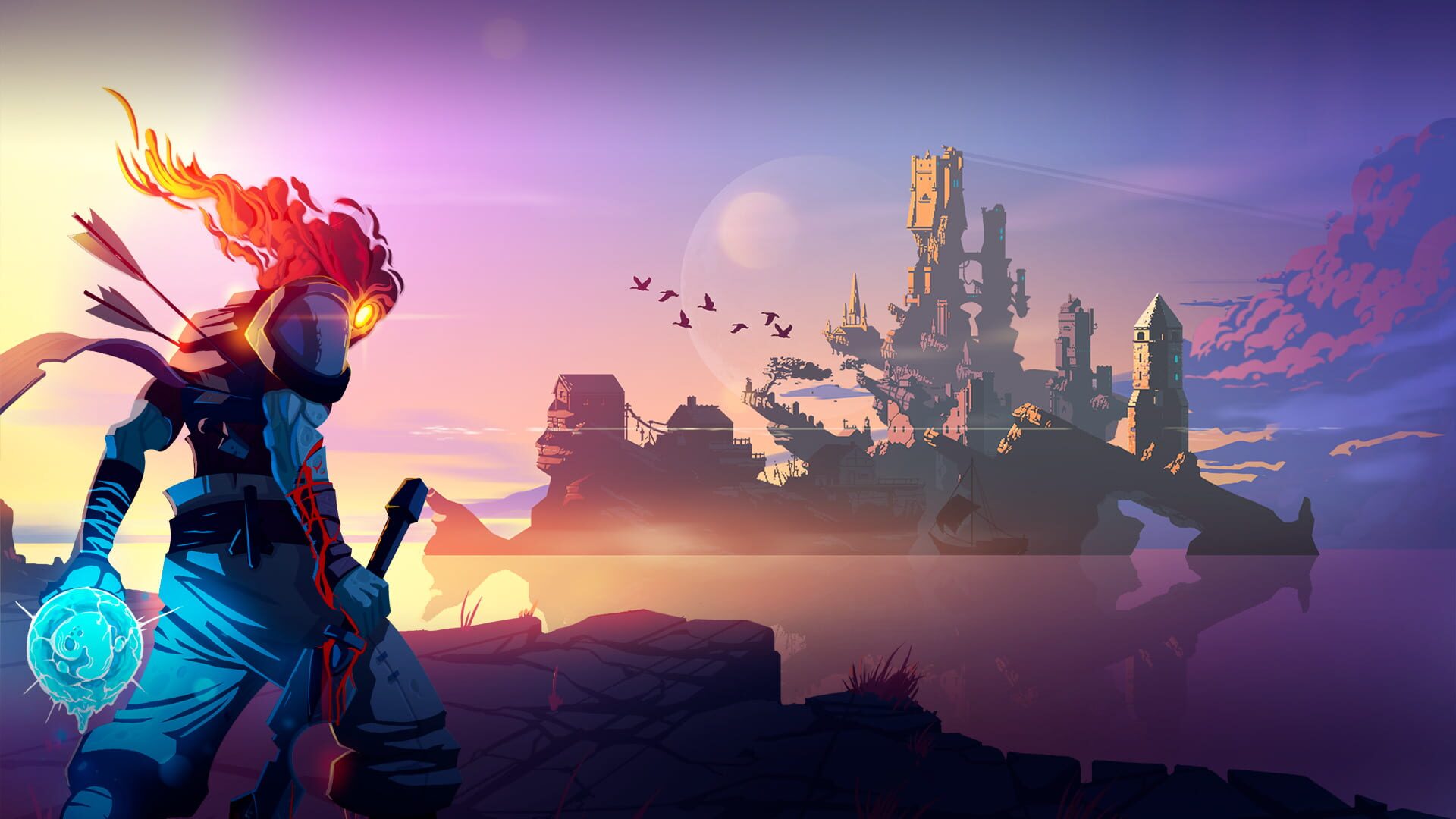
Even years after its release, Dead Cells continues to captivate players with its unique gameplay loop, combining elements of roguelikes and Metroidvanias in a way that feels fresh and engaging every time you play.
The event
Since its launch in 2018, Dead Cells has maintained its status as a beloved title in the gaming community. The game, developed by Motion Twin, has received numerous updates and expansions, solidifying its place as a staple in the roguelike genre. Players take on the role of the Prisoner, an amorphous creature navigating a procedurally generated island filled with enemies and traps, all while striving to defeat the tyrannical King.
The details
Dead Cells is characterized by its permadeath mechanic, meaning that when players die, they lose all items and upgrades acquired during that run. However, they retain a currency called Cells, collected from defeated foes, which can be used to purchase permanent upgrades. This design encourages players to learn from each run, making progress even in failure.
Why it matters
The core gameplay loop of Dead Cells is what truly sets it apart. Each run begins in the Prisoner's Quarters, equipped only with basic weapons. Players must navigate through various biomes, each filled with unique enemies and challenges. The procedural generation of levels ensures that no two playthroughs are identical, maintaining a high level of replayability. The game’s meta-progression system allows players to unlock new weapons, skills, and mutations, transforming early frustrations into powerful victories.
As players progress, they can choose to invest in different skill trees—Brutality, Tactics, and Survival—tailoring their playstyle to their preferences. This flexibility in builds encourages experimentation and keeps the gameplay feeling dynamic and engaging. The combat system rewards aggressive play, as players must dodge, parry, and strike quickly to survive. The satisfaction of mastering these mechanics is a significant draw for both new and returning players.
Reactions
Critics and players alike have praised Dead Cells for its addictive gameplay and depth. One review noted, "Every death teaches you something. You learn enemy patterns, find better strategies, and improve your reflexes." This sentiment is echoed across various platforms, highlighting the game's ability to keep players engaged through its challenging yet rewarding mechanics.
"Dead Cells is a must-play masterpiece that respects your time while delivering a fresh experience each run."
Behind it
Motion Twin, the studio behind Dead Cells, initially faced challenges due to limited resources. The decision to embrace permadeath was born out of necessity, allowing the team to focus on creating a fun and engaging experience despite their constraints. This design philosophy has resonated with players, making Dead Cells a benchmark for future roguelikes.
Open questions
- What new content will future DLCs bring to enhance the gameplay experience?
- How will the evolving landscape of roguelikes influence future updates for Dead Cells?
- Can Motion Twin maintain the balance of challenge and accessibility in future iterations?




Comments 0