
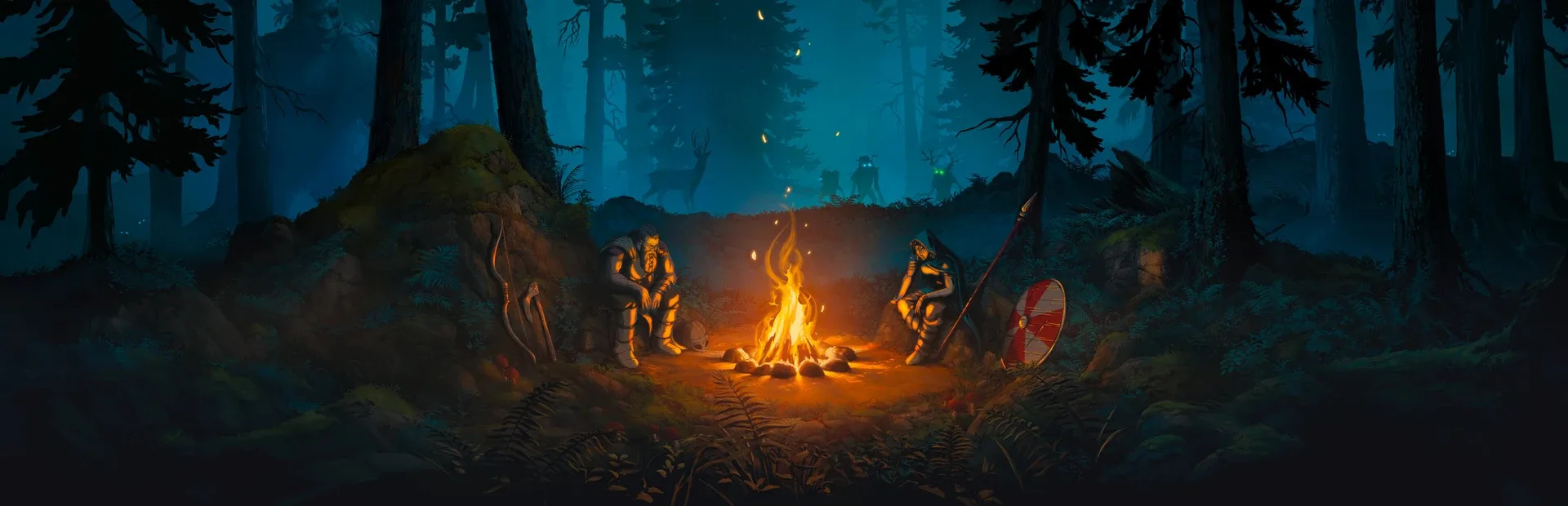
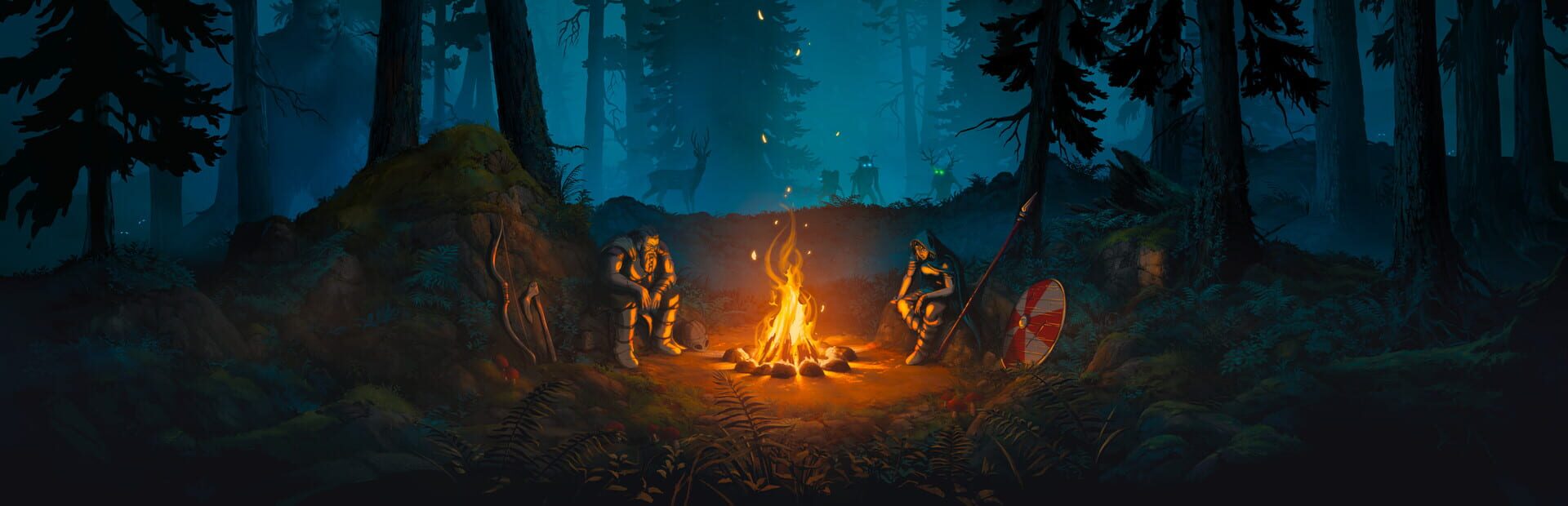
The compass needle on the map screen used to stop meaning anything once you crossed into the white. For years, the far north of Valheim's procedurally generated world was just an idea — a frozen rumor past the edge of the explored chunks, the place where the game's old build quietly ran out of content. Then, on September 9, 2026, that empty white space got a name, a biome, and a reason to go.
The Edge of the Map, Six Years Later
Anyone who has kept a Valheim world alive since its early access days knows the ritual: sail until the snow starts, note the coordinates, turn back. The Deep North was always implied, never delivered. The 1.0 release changed that calculus by dropping the long-promised biome directly into existing saves — no fresh world required, no wipe, no asterisk. According to the game's own FAQ, your world receives the new content even if it predates the update, with one caveat: biome generation only behaves properly in land you haven't already walked across. The frontier, in other words, has to still be a frontier.
What Changed Between Early Access and the Finish Line
It's worth putting the scale of this update next to what came before it, because the jump is less a patch and more a second game stapled onto the first.
| Criterion | Pre-1.0 Early Access | 1.0 Launch (Sept 9, 2026) |
|---|---|---|
| Northernmost biome | Implied, unfinished | Deep North, fully added |
| New weapons | Base roster only | Over 40 new weapons |
| Armor sets | Existing tiers | +4 new armor sets |
| Capes & trinkets | None added | +2 new capes, +2 new trinkets |
| Creatures | Known bestiary | +10+ new creatures |
| Buildable pieces | Established set | +80+ new buildable pieces |
That last row matters more than it looks. Eighty-plus new build pieces isn't decoration — it's the difference between a base that merely survives a biome and one that's actually designed for it.
Packing for the Deep North
None of this is a place to wander into with whatever you had equipped for the Mistlands. The advice circulating among players who've already made the crossing reads like a packing list for an expedition rather than a jog to the next waypoint: high-quality food, upgraded late-game weapons, a real stock of healing and stamina supplies, spare equipment in case something breaks, and — critically — portal infrastructure before you need it, not after. A forward outpost or at minimum a safe, enclosed base is the difference between a bad night and a wipe.
- Upgrade your crafting stations before departure, not mid-crisis
- Carry spare tools and weapons, not just spare food
- Place portals at the border of the new biome before pushing deeper
- Treat the Deep North as a staging campaign, not a single trip
The Numbers Nobody Explains at the Campfire
Here's the mechanic that trips up newcomers far more than any frost giant: food in Valheim doesn't top up your health bar directly. It raises your maximum HP, your stamina, and your regeneration rates — and you can stack three different food buffs at once, which means your survival ceiling in the Deep North is really a menu-planning problem disguised as a combat one.
Layered on top of that is the rested buff, earned simply by spending time at your base.
Having the rested buff up as much as possible is vital to your survival on Valheim – dramatically increasing your HP and stamina regen, as well as increasing XP gain.
Stamina itself rewards patience over panic. Walking conserves it far better than running, and there's a defensive upside to the discipline too.
Get used to taking things slow early on. Many enemies can be dodged simply by walking perpendicularly to their attacks, which is a useful skill to master.
Building the Road Before You Walk It
The crafting side of 1.0 is less flashy than a new biome but arguably does more long-term work. Over 30 new crafting materials and 5 new crafting-related build pieces widen what you can make well before you ever see snow, and the humble hoe remains one of the most underrated tools in the kit — flattening ground, cutting paths, and making the Deep North's brutal terrain survivable for a base rather than just a campsite.
None of it replaces the oldest rule in the game: go slow, eat well, stay rested, and build the road home before you need to run down it.
Sources :



Comments 0