

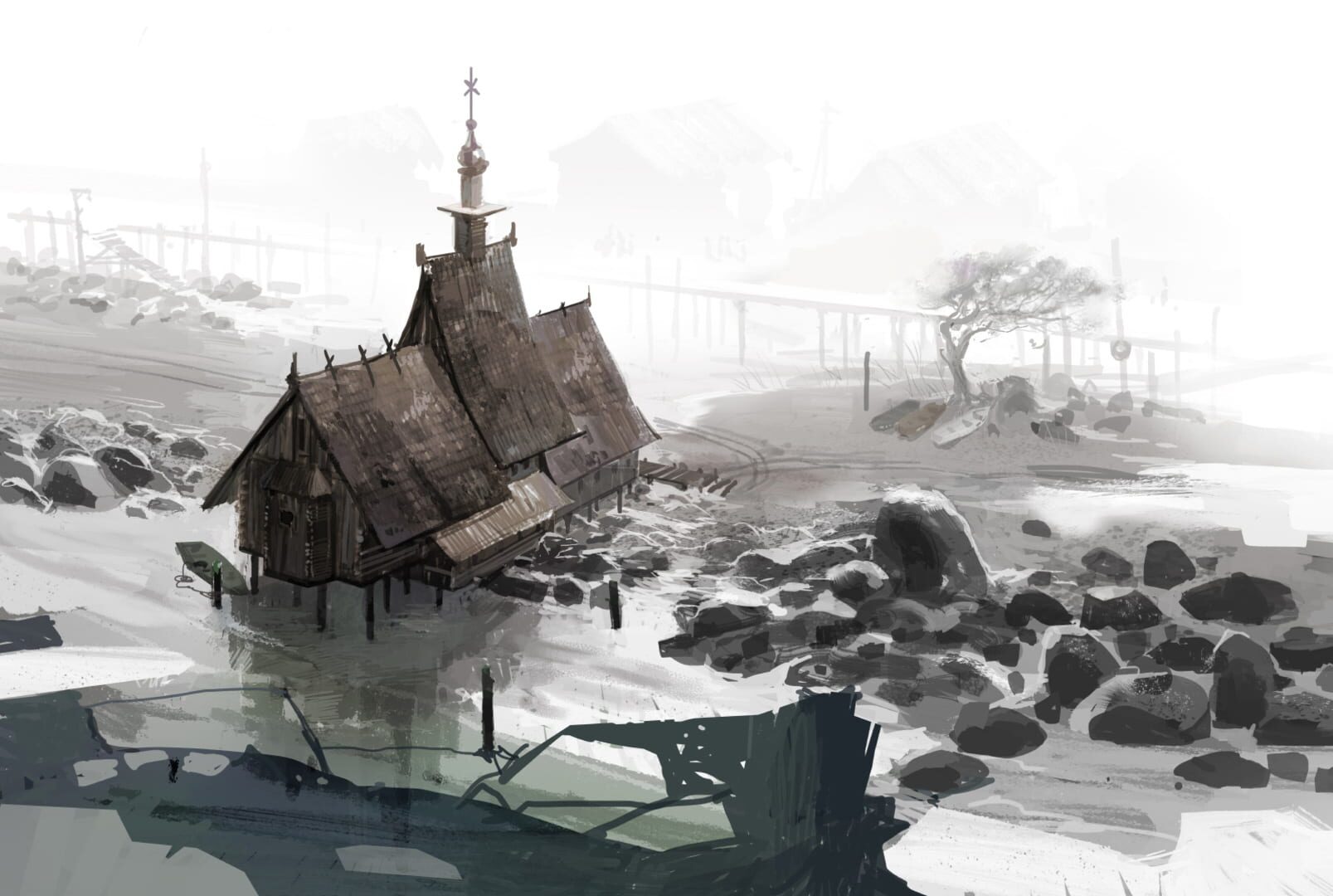
In a gaming landscape saturated with combat-driven mechanics, Disco Elysium stands out as a revolutionary RPG that emphasizes dialogue and character development over traditional gameplay elements. This deep dive explores the unique gameplay loop and the distinctive moment-to-moment experiences that define this critically acclaimed title.
The pitch
Disco Elysium immerses players in the role of Harry Du Bois, a detective grappling with amnesia as he investigates a murder in the city of Revachol. The game’s mechanics are designed to facilitate a rich narrative experience, emphasizing player choice and character interaction over combat. This approach not only sets it apart from other RPGs but also redefines what players can expect from the genre.
Origins
Developed by ZA/UM and released in 2019, Disco Elysium was born from a desire to create a game that prioritizes storytelling and player agency. The developers aimed to craft a narrative-driven experience that diverged from the traditional RPG formula, which often relies heavily on combat mechanics. This vision resulted in a game that treats players as adults, expecting them to engage deeply with the narrative and make meaningful choices.
What makes it tick
The core gameplay loop of Disco Elysium revolves around exploration, dialogue, and skill checks. Players interact with a richly detailed world through conversations with NPCs, where every dialogue choice can lead to different outcomes. The absence of combat means that players must rely on their wits and the skills they develop throughout the game.
Skill system
The game features four main attributes: Intellect, Psyche, Physique, and Motorics. These attributes govern a range of skills that influence interactions and investigations. Players allocate points to these attributes based on their preferred playstyle, allowing for a highly personalized experience. Each skill can affect dialogue options, investigation abilities, and even how NPCs respond to the player.
Time management
Time in Disco Elysium only progresses when players engage in meaningful interactions. This mechanic reinforces the importance of dialogue and exploration, as players must prioritize their actions to uncover the narrative. Unlike traditional RPGs where time passes during movement, here, players are encouraged to immerse themselves in conversations and investigations to advance the story.
Reception
Upon its release, Disco Elysium received widespread acclaim for its innovative approach to gameplay and storytelling. Critics praised the game for its depth, writing, and the way it challenges players to think critically about their choices. The game’s unique mechanics have sparked discussions about player agency and the potential for RPGs to evolve beyond combat-centric designs.
Legacy
As a groundbreaking title, Disco Elysium has set a new standard for narrative-driven RPGs. Its success has inspired other developers to explore similar mechanics, focusing on dialogue and character development rather than traditional combat. The game’s influence can be seen in a growing number of titles that prioritize storytelling and player choice, reshaping the RPG genre.
Where it sits in the genre
In a genre often dominated by combat and leveling systems, Disco Elysium carves out a unique niche. It challenges players to engage with the narrative on a deeper level, fostering a sense of agency that is often missing in other RPGs. The game’s emphasis on dialogue and character interaction has redefined expectations for what an RPG can be, making it a seminal work in the gaming landscape.
Open questions / unsolved threads
- How will future RPGs incorporate elements of Disco Elysium’s design philosophy?
- What other narrative techniques can be explored to enhance player engagement in RPGs?
- Will the industry move towards more adult-themed narratives in mainstream games?




Comments 0