

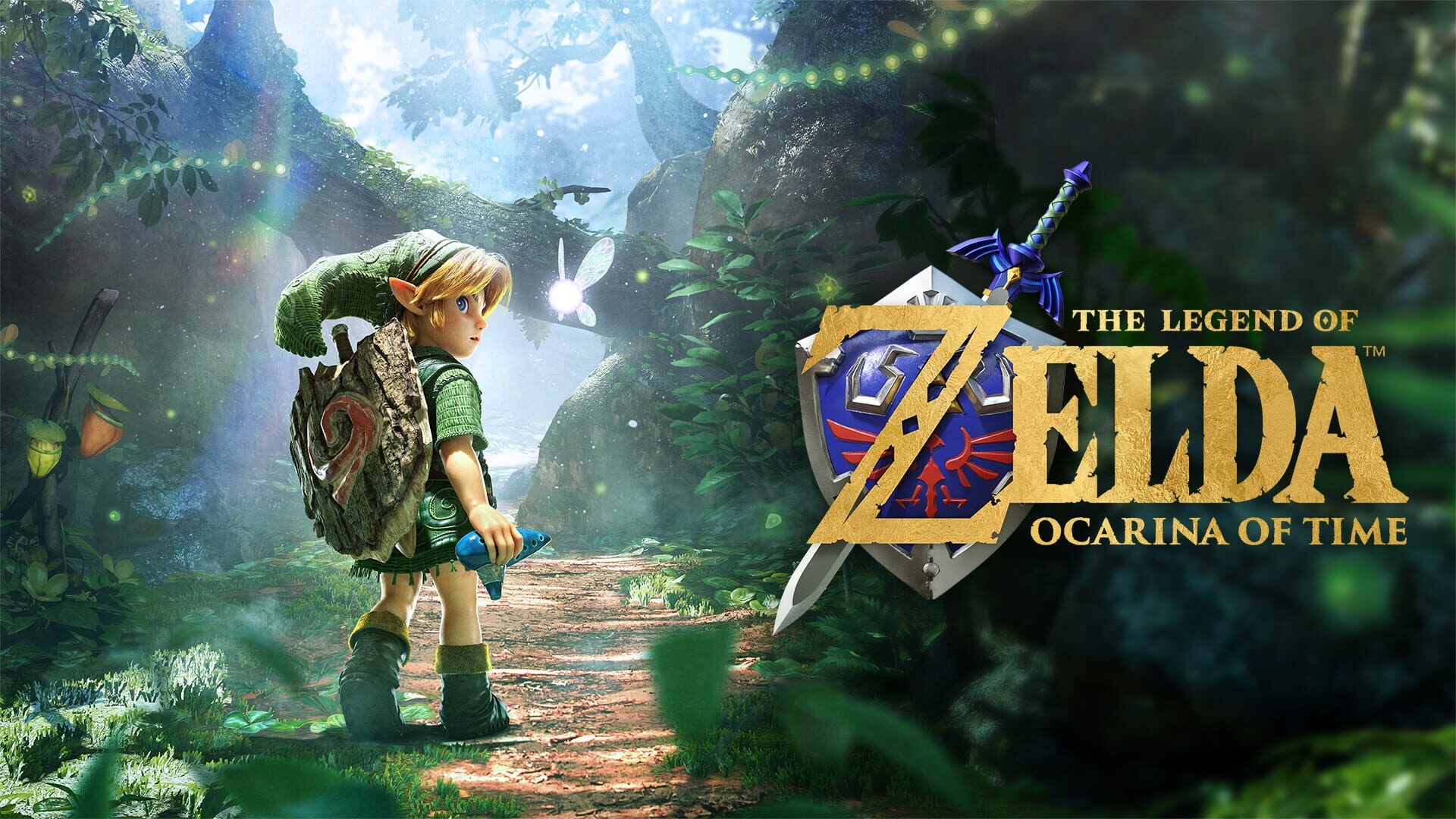
A remake only earns the word "faithful" if it resists the urge to bolt on a gimmick, and Nintendo just built an entire marketing beat around asking players to hum into a microphone — so let's see if the rest of the package survives contact with that choice.
Four Months, One Game, Zero Surprises
Nothing about The Legend of Zelda: Ocarina of Time's remake has moved in secret. The rollout has been almost suspiciously orderly, each beat landing exactly where a release calendar would want it to.
- September 2026 — Nintendo confirms the remake launches on November 5, 2026, exclusively on Nintendo Switch 2, with no last-gen version to muddy the pitch.
- October 2026 — Video Games Chronicle gets two hands-on hours and comes back describing a jump button finally separated from the attack button, a map that no longer hides in a menu, and a Hyrule Castle Town stitched into one loading-free space.
- October 14, 2026 — Nintendo drops a new overview trailer confirming voice acting, full symphonic orchestration, a microphone-driven ocarina mechanic, a rematch gauntlet called the Hall of Fallen Heroes, and a companion app service called ZELDA NOTES.
- November 5, 2026 — Launch day, positioned conveniently ahead of the holiday crush and just before Grand Theft Auto VI eats every remaining headline on the internet.
That's not a timeline so much as a checklist being ticked off in public. Which is fine — competence is underrated — but it also means every surprise in this remake had to be manufactured on purpose, because nothing here happened by accident.
The Microphone Mechanic Nobody Asked For
The headline feature, by Nintendo's own framing, is that players can hum or physically play an ocarina and have the Switch 2's microphone recognize it and trigger an in-game response. It's the kind of feature that reads beautifully in a trailer script — "Every adventure has a beginning," the trailer intones, "here is your chance to join a young Link on an adventure across time in a vast, mythic world" — and considerably less beautifully in a living room where someone's roommate is trying to watch television forty feet away.
There's a case for it: the ocarina was always the emotional and mechanical spine of the original, so giving it a physical dimension isn't a random tech demo bolted onto unrelated hardware. But novelty inputs have a short half-life. Motion controls were going to change everything too, once.
What Actually Changed Under the Hood
Strip away the microphone theatrics and the more defensible upgrades are mundane, which in remake terms is a compliment. The jump attack now requires its own button press before the sword swings — a change VGC's preview called more engaging, and also, bluntly, overdue. The interface now offers three distinct modes, Normal, Pro, and Cinematic, for players who want varying degrees of HUD clutter. And the inventory finally gets a quick-select wheel via the L or R buttons, which the same preview flatly called "a huge help compared to the original."
| Element | 1998 Original | 2026 Remake |
|---|---|---|
| Jump Attack | Automatic, tied to movement | Separate jump button before swing |
| Map | Menu-locked, paused gameplay | Always visible, three interface modes |
| Hyrule Castle Town | Segmented zones, loading screens | One connected space, no transitions |
| Dialogue | Text only | Fully voiced, expanded script |
None of this reinvents the dungeon-puzzle DNA that made the original a landmark. It just removes the friction that twenty-eight years of design evolution has made impossible to ignore.
The Amiibo Tax Is Still Due
Here's where the goodwill gets tested. Two new Ocarina of Time amiibo figures are slated for 2027, unlocking special in-game masks, and the existing Zelda amiibo library also grants rewards. Layer on ZELDA NOTES, a companion app service offering supplementary quests and quizzes, and the shape of the monetization becomes clear: the base game is the entry fee, and the completionist layer is a subscription-adjacent side quest.
"The ability to quickly switch between items in your inventory is a huge help compared to the original."
That quote, praising a quality-of-life fix, is a useful reminder that the actual improvements here are the unglamorous ones — not the hardware gimmicks, not the figurine upsell.
The Verdict Before the Verdict
Judging a remake off a trailer and a two-hour preview is a mug's game, and I'll happily eat these words on November 5. But the pattern is legible already: Nintendo is modernizing the mechanics with real discipline — jump button, map modes, seamless Castle Town — while dressing the marketing in features built to generate clips rather than lasting value. The Hall of Fallen Heroes, humming into a Joy-Con, amiibo masks arriving a full year later — these are the parts designed to trend. The quick-item wheel and the loading-free town are the parts designed to last. History suggests which category actually keeps a thirty-hour adventure interesting past launch week.
Sources :



Comments 0