
A game that lets paying customers start the campaign seven days before launch isn't offering a bonus — it's quietly admitting that the first week of sales now matters more than the first weekend.
Three Dates, One Countdown
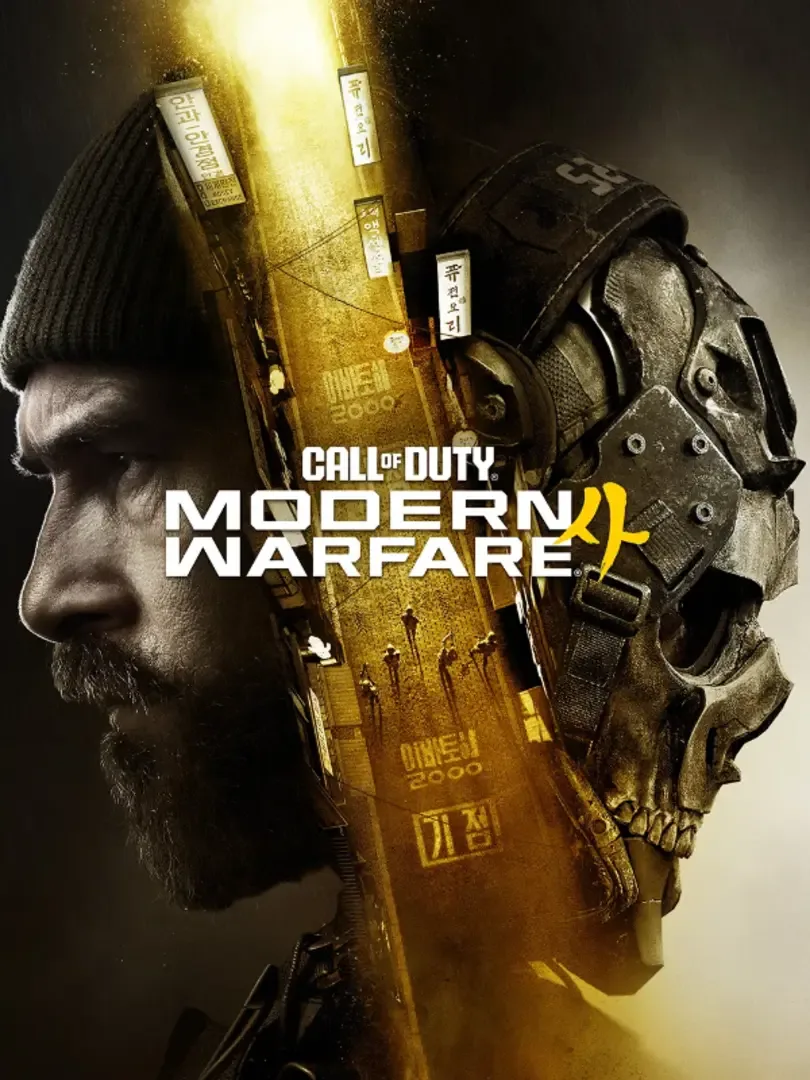
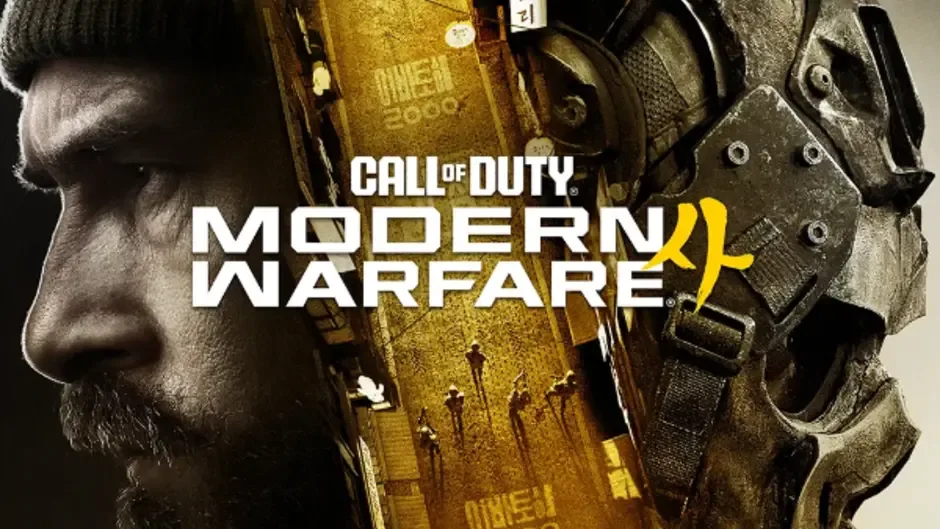
Call of Duty: Modern Warfare 4 doesn't launch once. It launches three times, each stage gated behind a pre-order, and each stage designed to generate its own wave of clips, leaks, and purchase decisions before the game is technically out. The full worldwide release lands on October 23, 2026, but anyone who pre-ordered has already been playing for a week.
- October 16, 2026: Campaign early access opens for anyone who pre-ordered or pre-purchased a digital edition, covering sixteen missions across the Korean Peninsula, Paris, New York, and Mumbai, built around a new invasion and a manhunt led by John Price.
- October 20, 2026: Early access to DMZ, the game's new extraction mode, opens for the same pre-order base — three days before anyone without a pre-order can touch it.
- October 23, 2026: Worldwide launch. Campaign, Multiplayer, and DMZ all go live simultaneously across every supported platform.
Staggering access like this isn't new to the industry, but the gap here is unusually tight: a full week of campaign time and three days of DMZ time, both tied strictly to purchase rather than any press or influencer tier. The incentive is explicit — finish the campaign during early access and you walk into launch day with new operators, calling cards, emblems, and XP tokens already banked for Multiplayer and DMZ.
Six Storefronts, One Roster
Campaign early access runs on Xbox Series X|S, Xbox on PC, PlayStation 5, Battle.net, Steam, and Nintendo Switio 2 — six distinct storefronts feeding into a single crossplay population. Crossplay is enabled across all of them, meaning the Switch 2 player base, however large it turns out to be, isn't siloed off from the rest. That matters more than it sounds: a Nintendo console joining the Modern Warfare roster for the first time is only a meaningful expansion of the player pool if those players can actually party up with everyone else, and the data says they can.
The Anti-Cheat Bet: Server Culling
The headline technical change isn't graphical. It's a server-side system called Server Culling, which withholds an opponent's location data from a player's client entirely unless that opponent is actually visible. Wall hacks work by reading data the client already has; if the client never receives that data in the first place, there's nothing left to read.
Server Culling changes the game by withholding opponent location data until they appear in view, making wall hacks ineffective.
According to Infinity Ward, the system builds occlusion layers directly into the maps to decide, in real time, when a player should or shouldn't receive another player's position — and that coverage extends to every launch map, including DMZ and Combat Outpost. It sits alongside the existing RICOCHET Anti-Cheat stack, which already combines server-side detection with hardware-level protections like TPM 2.0 and Secure Boot, plus the threat of legal action against persistent cheat distributors. Server Culling is the first piece of that stack that changes the underlying data flow rather than just policing it after the fact — a structural fix rather than a detection patch.
DMZ's Social Gambit
The new DMZ mode is pitched as a full extraction-shooter experience with a dynamic world, arriving alongside Campaign and Multiplayer on October 23. It enters a genre effectively defined by Escape from Tarkov, but it adds something that genre has historically skipped: a social hangout area, comparable to Call of Duty WWII's Headquarters, where players can meet up, build loadouts, and live-test weapons before dropping into a raid.
- Extraction-mode core loop: raid, loot, extract, repeat — the Tarkov-popularized formula.
- Social hub layered on top: pre-raid meetups, loadout building, live weapon testing.
- Early access for pre-orders on October 20, three days ahead of general release.
Bolting a social lobby onto an extraction shooter is a bet that the genre's biggest weakness — the isolating grind between raids — is solvable with the same tool Call of Duty has used for cosmetics and matchmaking for a decade: a shared room. Whether that room turns into an actual community space or an empty waiting lounge is the kind of thing that only shows up in player-count data after launch, not in a feature list beforehand.
What the Timeline Doesn't Tell You Yet
Every date above is confirmed. What isn't yet measurable is what those dates will produce. Server Culling's real test isn't the trailer explaining it — it's whether the cheat market, which has historically adapted to every prior RICOCHET update, finds a way around a system that denies data at the source rather than flagging misuse of it. DMZ's social hub is similarly unproven at scale: a hangout space works when enough players linger in it, and nothing in a pre-launch blog post can simulate that. The Nintendo Switch 2 version's actual technical parity with PC, where DLSS 4.5, FSR Redstone, and XeSS 3 are all on offer, also remains an open comparison nobody can run until console and portable hardware are sitting side by side on October 23. For now, the only verifiable fact is the calendar itself — and calendars, in live-service shooters, are usually the easiest promise to keep.
Sources :


Comments 0