Bye-Bye BoxBoy!
No community tier yet. Be the first to grade this game.
About Bye-Bye BoxBoy!
Bye-Bye BoxBoy! is an action and platformer game developed by HAL Laboratory and published by Nintendo, released on 12 April 2017.
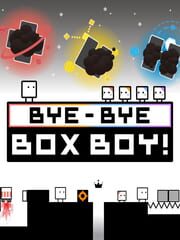
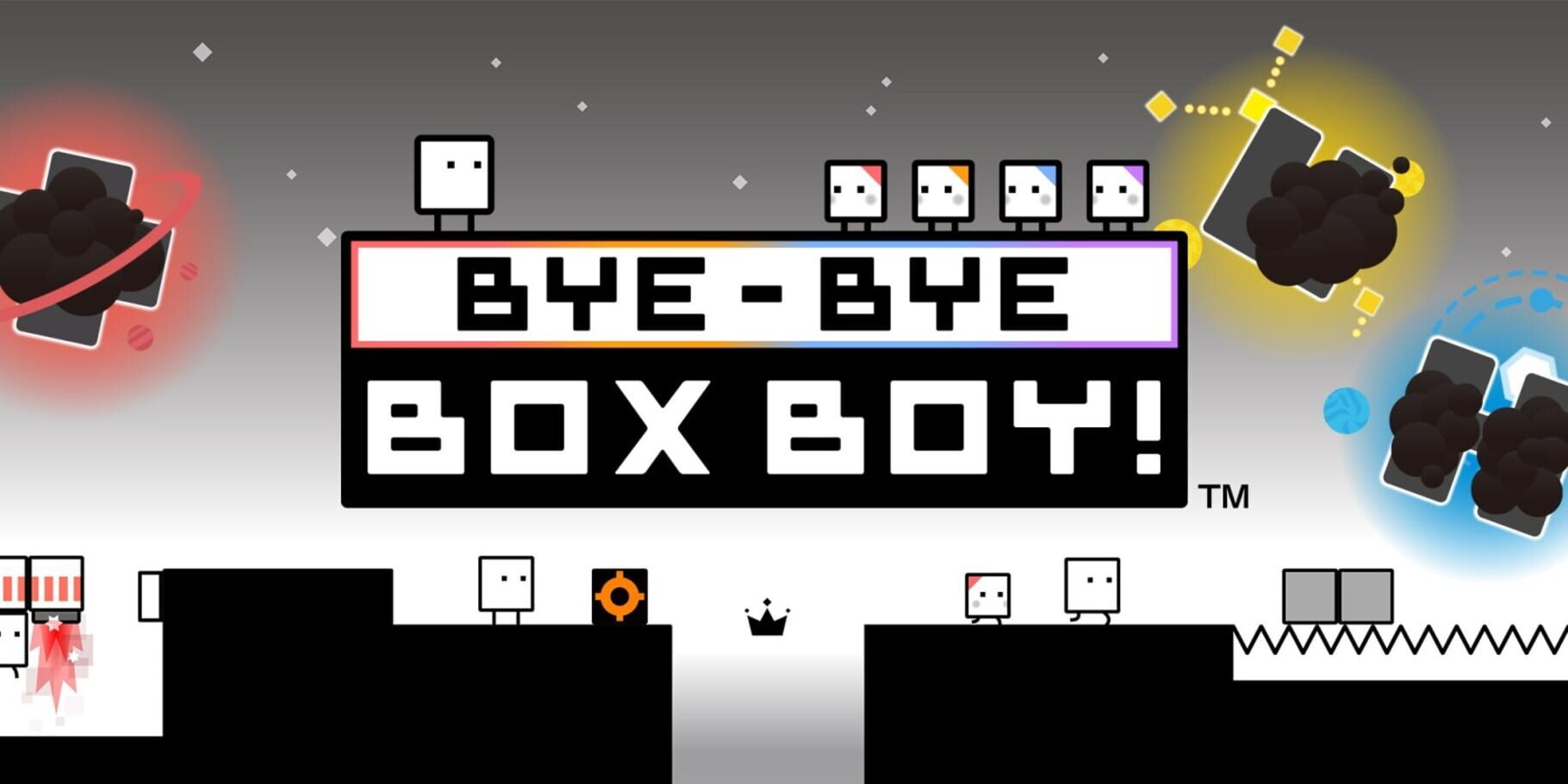
Wait…a box is the last defense against annihilation?! Well, fear not—Qbby is no ordinary box. Using his four startling new powers, you must solve hundreds of puzzles across 18 deadly worlds. Create boxes to climb, hover, warp, and bomb your way to salvation! Whether you're a newcomer or an old vet, thinking outside the box has never been more fun. Scattered across many challenging worlds, Black Smoke and other new hazards threaten to destroy Qbby. Survive vicious winds, viscous water, and more on your mission to rescue the mysteriously cute little wonders known as Qbabies. Each Qbaby you rescue will offer a new power: hit high buttons with a Boxrocket, destroy parts of the environment with a Bombox, teleport with a Warpbox, and even levitate a Remotebox. To the victor goes the goodies: earn new in-game costumes, comics, music, and challenge worlds by beating levels or tapping amiibo. Tap a Kirby series amiibo figure to receive a costume based on the tapped character! King Dedede box, anyone? Create boxes and unleash four new box powers to solve new puzzles Journey across 18 worlds of puzzling stages with unexpected new hazards Earn new costumes, comics, music, challenge worlds, and more! The new challenge worlds are unlike anything in the series so far SAVE THE QBABIES!!!
Specs
Affiliate links: we may earn a commission.
Media
More from BOXBOY!
What platforms is Bye-Bye BoxBoy! available on?
Bye-Bye BoxBoy! is available on Nintendo 3DS.
When was Bye-Bye BoxBoy! released?
Bye-Bye BoxBoy! was released on 12 April 2017, developed by HAL Laboratory.