

Atomic Robo-Kid
No community tier yet. Be the first to grade this game.
Affiliate links: we may earn a commission.
About Atomic Robo-Kid
Atomic Robo-Kid is an arcade and shooter game developed by UPL and published by Activision, released on 1 November 1988.
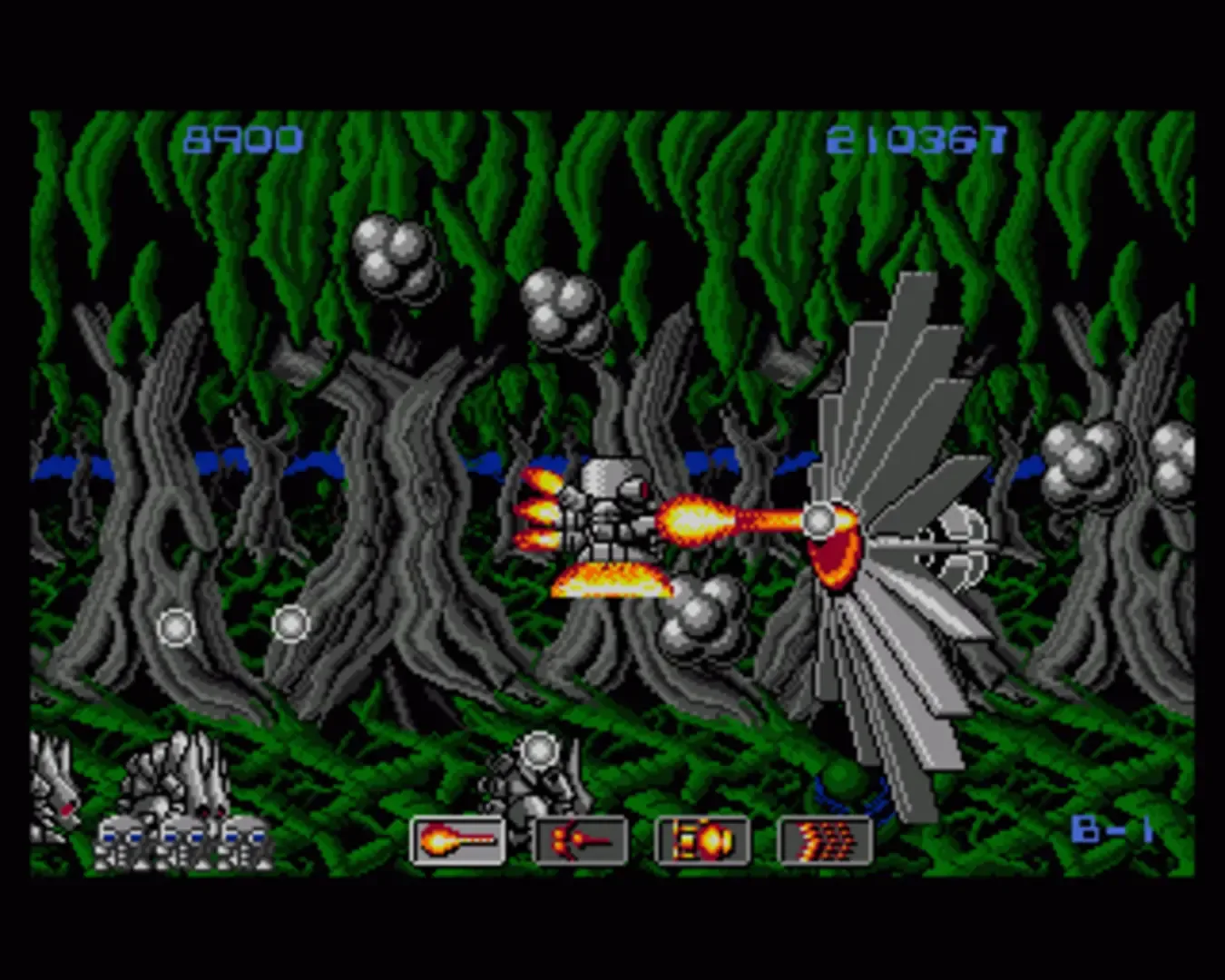
Atomic Robo-Kid is a horizontally scrolling shooter released in arcades by UPL. The player controls the titular character through six stages of increasing difficulty, facing an alien "governor" boss (which are so large as to be considered levels in and of themselves, as some of the bosses take up several screens) at the end of each level, followed by a "duel" level against other Robo-Kid sized robots. Many levels branch into others, giving the player the choice over which zone to enter next, increasing replayability.
Read more
Ask the wiki
Quests, locations, unlocks: ask anything about Atomic Robo-Kid and get an answer from its community wiki, with sources.
Stuck somewhere? Ask a question, the answer cites the wiki pages it comes from.
Log in to ask the wiki and keep your conversations.
Log in to askSpecs
Media
Similar games




What platforms is Atomic Robo-Kid available on?
Atomic Robo-Kid is available on Amiga, Arcade, Atari ST/STE, Commodore C64/128/MAX, Genesis, Sharp X68000, TurboGrafx-16/PC Engine.
When was Atomic Robo-Kid released?
Atomic Robo-Kid was released on 1 November 1988, developed by UPL.
