Meilleurs jeux
Meilleurs jeux Arcade de 1996
Les 17 meilleurs jeux Arcade sortis en 1996, classés à partir de 1,713 notes de la critique et des joueurs.
Le meilleur jeu Arcade de 1996 est PaRappa the Rapper, avec un score critique de 92/100 — mis à jour en septembre 2026.
Comment ce classement est construit
- Les jeux sont classés sur le score presse agrégé sur 100 importé d'IGDB et Metacritic, jamais sur les grades propres à Tier.
- Un jeu n'entre au classement qu'à partir de 30 notes externes : une seule critique enthousiaste ne dépassera jamais un classique confirmé.
- Les grades de la communauté, de F à S, s'affichent à côté de chaque jeu et ne sont énoncés comme un fait qu'au-delà de 5 notes Tier.
- Fenêtre de sortie couverte : 1996.
- 17 jeux figurent sur cette page, pour 1,713 notes au total.
- Les classements sont recalculés toutes les heures ; celui-ci a été reconstruit le 29 septembre 2026.
Top 17
01
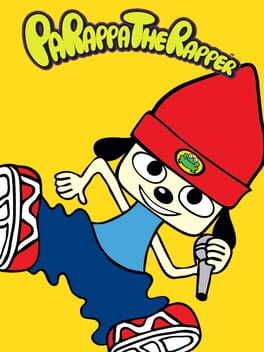 PaRappa the Rapper
The original music video game. Help Parappa rap with the best of the master rappers and straight into Sunny's heart. Guaranteed you'll be singin' and dancin' along with Parappa and his pals to the most fun music mixes.
92
/100
02
PaRappa the Rapper
The original music video game. Help Parappa rap with the best of the master rappers and straight into Sunny's heart. Guaranteed you'll be singin' and dancin' along with Parappa and his pals to the most fun music mixes.
92
/100
02
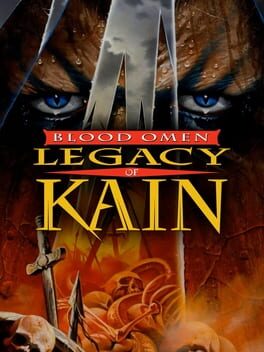 Blood Omen: Legacy of Kain
 is a top-down action-adventure video game with role-playing game elements. It is the first game in the Legacy of Kain series, and the only one developed by Silicon Knights and published by Crystal Dynamics. The game was first released in 1996 for the PlayStation, and later ported to Microsoft Windows. A Sega Saturn version was announced during production but later cancelled before release. It was followed by four sequels, which were all developed by Crystal Dynamics and published by Eidos Interactive.
85
/100
03
Blood Omen: Legacy of Kain
Blood Omen: Legacy of Kain is a top-down action-adventure video game with role-playing game elements. It is the first game in the Legacy of Kain series, and the only one developed by Silicon Knights and published by Crystal Dynamics. The game was first released in 1996 for the PlayStation, and later ported to Microsoft Windows. A Sega Saturn version was announced during production but later cancelled before release. It was followed by four sequels, which were all developed by Crystal Dynamics and published by Eidos Interactive.
85
/100
03
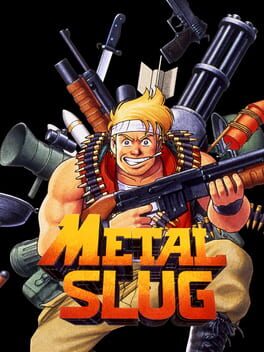 Metal Slug
 is a 1996 run-and-gun arcade video game originally developed by Nazca Corporation and released by SNK for the Neo Geo MVS. It is the first installment in the eponymous series. Set in 2028, players assume the role of Peregrine Falcon Strike Force soldiers Marco Rossi and Tarma Roving in a fight against the Rebel Army led by Donald Morden and overthrow his coup d'état to prevent a New World Order.
82
/100
Metal Slug
Metal Slug is a 1996 run-and-gun arcade video game originally developed by Nazca Corporation and released by SNK for the Neo Geo MVS. It is the first installment in the eponymous series. Set in 2028, players assume the role of Peregrine Falcon Strike Force soldiers Marco Rossi and Tarma Roving in a fight against the Rebel Army led by Donald Morden and overthrow his coup d'état to prevent a New World Order.
82
/100
PaRappa the Rapper
The original music video game. Help Parappa rap with the best of the master rappers and straight into Sunny's heart. Guaranteed you'll be singin' and dancin' along with Parappa and his pals to the most fun music mixes.
92
/100
02
Blood Omen: Legacy of Kain
Blood Omen: Legacy of Kain is a top-down action-adventure video game with role-playing game elements. It is the first game in the Legacy of Kain series, and the only one developed by Silicon Knights and published by Crystal Dynamics. The game was first released in 1996 for the PlayStation, and later ported to Microsoft Windows. A Sega Saturn version was announced during production but later cancelled before release. It was followed by four sequels, which were all developed by Crystal Dynamics and published by Eidos Interactive.
85
/100
03
Metal Slug
Metal Slug is a 1996 run-and-gun arcade video game originally developed by Nazca Corporation and released by SNK for the Neo Geo MVS. It is the first installment in the eponymous series. Set in 2028, players assume the role of Peregrine Falcon Strike Force soldiers Marco Rossi and Tarma Roving in a fight against the Rebel Army led by Donald Morden and overthrow his coup d'état to prevent a New World Order.
82
/100
04
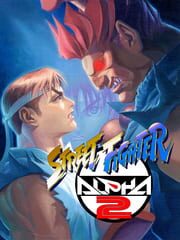 Street Fighter Alpha 2
 is both a sequel and a remake to the previous year's Street Fighter Alpha: Warriors' Dreams. The game features a number of improvements over the original, such as new attacks, stages, endings, and gameplay features. New characters in this version include Gen, Rolento and Sakura. Dhalsim and Zangief also return to the fight with some new moves.
85
/100
05
Street Fighter Alpha 2
Street Fighter Alpha 2 is both a sequel and a remake to the previous year's Street Fighter Alpha: Warriors' Dreams. The game features a number of improvements over the original, such as new attacks, stages, endings, and gameplay features. New characters in this version include Gen, Rolento and Sakura. Dhalsim and Zangief also return to the fight with some new moves.
85
/100
05
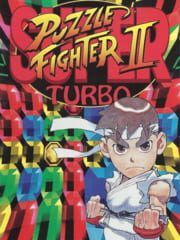 Super Puzzle Fighter II Turbo
The game's title is a parody of Super Street Fighter II Turbo (or Super Street Fighter II X in Japan), as there are no other Puzzle Fighter games, and the game includes music and interface elements spoofing the Street Fighter Alpha and Darkstalkers games. It was a response to SEGA's popular Puyo Puyo 2 that has been sweeping Japanese arcade. A HD-remake version titled Super Puzzle Fighter II Turbo HD Remix, is available for purchase on Microsoft's Xbox Live Arcade and Sony's PlayStation Network.
85
/100
06
Super Puzzle Fighter II Turbo
The game's title is a parody of Super Street Fighter II Turbo (or Super Street Fighter II X in Japan), as there are no other Puzzle Fighter games, and the game includes music and interface elements spoofing the Street Fighter Alpha and Darkstalkers games. It was a response to SEGA's popular Puyo Puyo 2 that has been sweeping Japanese arcade. A HD-remake version titled Super Puzzle Fighter II Turbo HD Remix, is available for purchase on Microsoft's Xbox Live Arcade and Sony's PlayStation Network.
85
/100
06
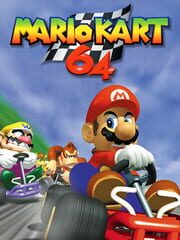 Mario Kart 64
 is the second main installment of the Mario Kart series. It is the first game in the series to use three-dimensional graphics, however, the characters and items in this game are still two-dimensional, pre-rendered sprites. The game offers two camera angles and three engine sizes: 50cc, 100cc and 150cc. Each kart has distinctive handling, acceleration and top speed capabilities. Shells that you fire at rival racers, Bananas that make them skid out and Lightning Bolts that make them small and very slow are just a few of the game's unique power-ups.
81
/100
07
Mario Kart 64
Mario Kart 64 is the second main installment of the Mario Kart series. It is the first game in the series to use three-dimensional graphics, however, the characters and items in this game are still two-dimensional, pre-rendered sprites. The game offers two camera angles and three engine sizes: 50cc, 100cc and 150cc. Each kart has distinctive handling, acceleration and top speed capabilities. Shells that you fire at rival racers, Bananas that make them skid out and Lightning Bolts that make them small and very slow are just a few of the game's unique power-ups.
81
/100
07
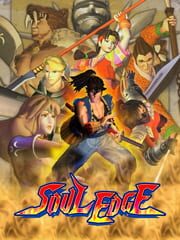 Soul Edge
 is a 3D arcade fighting game and the first in the Soul series, it is one of the first 3D fighting game in history that place a particular emphasis on the story of the fighters. Each character have their own weapon, allowing for a wide range of play styles. The slower, longer ranged characters try to deliver their heavy blows from a distance whereas the quicker, faster characters try to get in as close as possible and deliver quick-hitting attacks.
83
/100
08
Soul Edge
Soul Edge is a 3D arcade fighting game and the first in the Soul series, it is one of the first 3D fighting game in history that place a particular emphasis on the story of the fighters. Each character have their own weapon, allowing for a wide range of play styles. The slower, longer ranged characters try to deliver their heavy blows from a distance whereas the quicker, faster characters try to get in as close as possible and deliver quick-hitting attacks.
83
/100
08
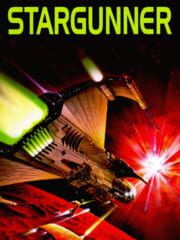 Stargunner
In the far distant future, an epic war for survival takes place... Deep within the Andromeda galaxy, the people of Zile grow restless and greedy. The Zilions secretly prepare for a massive strike against the nearby planet Ytima. Fearing such an attack, the Ytimians train an elite squad of "Stargunners." Their mission: To strike the planet Zile and cripple the Zilions’ three strongholds, where the Zilion war fleets await. If the Stargunners can surprise the Zilions on their own planet and wipe out their fleet, then good will triumph over evil once again.
80
/100
09
Stargunner
In the far distant future, an epic war for survival takes place... Deep within the Andromeda galaxy, the people of Zile grow restless and greedy. The Zilions secretly prepare for a massive strike against the nearby planet Ytima. Fearing such an attack, the Ytimians train an elite squad of "Stargunners." Their mission: To strike the planet Zile and cripple the Zilions’ three strongholds, where the Zilion war fleets await. If the Stargunners can surprise the Zilions on their own planet and wipe out their fleet, then good will triumph over evil once again.
80
/100
09
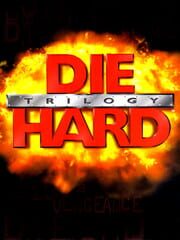 Die Hard Trilogy
 features three games in one, each based on a movie installment and featuring a different genre and game play style.
75
/100
10
Die Hard Trilogy
Die Hard Trilogy features three games in one, each based on a movie installment and featuring a different genre and game play style.
75
/100
10
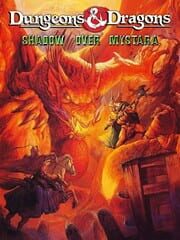 Dungeons & Dragons: Shadow over Mystara
Shadow over Mystara is a side-scrolling beat-'em-up with role-play elements that make it stand out from other similar games released at the time. In addition to the original four heroes found in its predecessor, Dungeons & Dragons: Tower of Doom (Cleric, Dwarf, Elf and Fighter), Shadow of Mystara adds a Thief and a Magic-User to the selection. Furthermore, with the inclusion of two separate versions of each character's sprite set, the game allows up to two players to select the same character (in Tower of Doom each of the characters could only be selected once), effectively giving the game 12 "different" characters to choose from. The two Clerics and two Magic Users also have subtle differences within their spell books. The controls are using four buttons: Attack, Jump, Select (brings up a small inventory ring around the character allowing the player to choose what item is set in the Use slot) and Use. The Cleric, Elf and Magic-User also have two extra rings for their spells, with the Jump button used to switch from ring to ring. While the game uses the same kick harness as the previous game, the Select and Use buttons are reversed. Shadow over Mystara also introduced a selection of special moves which are executed by moving the joystick and tapping the buttons in certain combinations, in a way similar to the Street Fighter series. The characters (except for the Magic-User) have a Dashing Attack as well as a Rising Attack which can be used to combo monsters or even juggle them in the air. Most characters (again, with the exception of the Magic-User and also Cleric) also have a Megacrush, a move common to nearly all of Capcom side-scrollers, which damages all enemies standing close enough to the character but in turn also damaging the player themselves.
75
/100
11
Dungeons & Dragons: Shadow over Mystara
Shadow over Mystara is a side-scrolling beat-'em-up with role-play elements that make it stand out from other similar games released at the time. In addition to the original four heroes found in its predecessor, Dungeons & Dragons: Tower of Doom (Cleric, Dwarf, Elf and Fighter), Shadow of Mystara adds a Thief and a Magic-User to the selection. Furthermore, with the inclusion of two separate versions of each character's sprite set, the game allows up to two players to select the same character (in Tower of Doom each of the characters could only be selected once), effectively giving the game 12 "different" characters to choose from. The two Clerics and two Magic Users also have subtle differences within their spell books. The controls are using four buttons: Attack, Jump, Select (brings up a small inventory ring around the character allowing the player to choose what item is set in the Use slot) and Use. The Cleric, Elf and Magic-User also have two extra rings for their spells, with the Jump button used to switch from ring to ring. While the game uses the same kick harness as the previous game, the Select and Use buttons are reversed. Shadow over Mystara also introduced a selection of special moves which are executed by moving the joystick and tapping the buttons in certain combinations, in a way similar to the Street Fighter series. The characters (except for the Magic-User) have a Dashing Attack as well as a Rising Attack which can be used to combo monsters or even juggle them in the air. Most characters (again, with the exception of the Magic-User and also Cleric) also have a Megacrush, a move common to nearly all of Capcom side-scrollers, which damages all enemies standing close enough to the character but in turn also damaging the player themselves.
75
/100
11
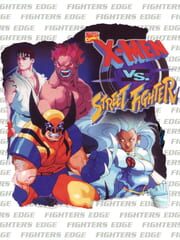 X-Men vs. Street Fighter
75
/100
12
X-Men vs. Street Fighter
75
/100
12
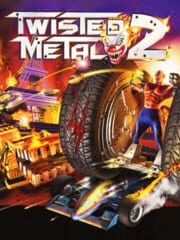 Twisted Metal 2
73
/100
13
Twisted Metal 2
73
/100
13
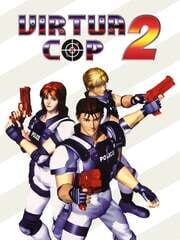 Virtua Cop 2
72
/100
14
Virtua Cop 2
72
/100
14
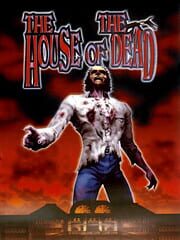 The House of the Dead
68
/100
15
The House of the Dead
68
/100
15
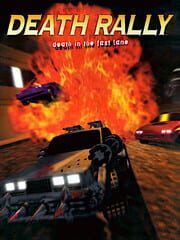 Death Rally
60
/100
16
Death Rally
60
/100
16
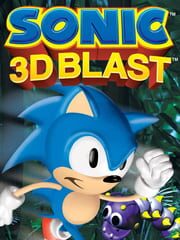 Sonic 3D Blast (1996)
59
/100
17
Sonic 3D Blast (1996)
59
/100
17
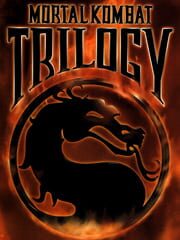 Mortal Kombat Trilogy
50
/100
Mortal Kombat Trilogy
50
/100
Street Fighter Alpha 2
Street Fighter Alpha 2 is both a sequel and a remake to the previous year's Street Fighter Alpha: Warriors' Dreams. The game features a number of improvements over the original, such as new attacks, stages, endings, and gameplay features. New characters in this version include Gen, Rolento and Sakura. Dhalsim and Zangief also return to the fight with some new moves.
85
/100
05
Super Puzzle Fighter II Turbo
The game's title is a parody of Super Street Fighter II Turbo (or Super Street Fighter II X in Japan), as there are no other Puzzle Fighter games, and the game includes music and interface elements spoofing the Street Fighter Alpha and Darkstalkers games. It was a response to SEGA's popular Puyo Puyo 2 that has been sweeping Japanese arcade. A HD-remake version titled Super Puzzle Fighter II Turbo HD Remix, is available for purchase on Microsoft's Xbox Live Arcade and Sony's PlayStation Network.
85
/100
06
Mario Kart 64
Mario Kart 64 is the second main installment of the Mario Kart series. It is the first game in the series to use three-dimensional graphics, however, the characters and items in this game are still two-dimensional, pre-rendered sprites. The game offers two camera angles and three engine sizes: 50cc, 100cc and 150cc. Each kart has distinctive handling, acceleration and top speed capabilities. Shells that you fire at rival racers, Bananas that make them skid out and Lightning Bolts that make them small and very slow are just a few of the game's unique power-ups.
81
/100
07
Soul Edge
Soul Edge is a 3D arcade fighting game and the first in the Soul series, it is one of the first 3D fighting game in history that place a particular emphasis on the story of the fighters. Each character have their own weapon, allowing for a wide range of play styles. The slower, longer ranged characters try to deliver their heavy blows from a distance whereas the quicker, faster characters try to get in as close as possible and deliver quick-hitting attacks.
83
/100
08
Stargunner
In the far distant future, an epic war for survival takes place... Deep within the Andromeda galaxy, the people of Zile grow restless and greedy. The Zilions secretly prepare for a massive strike against the nearby planet Ytima. Fearing such an attack, the Ytimians train an elite squad of "Stargunners." Their mission: To strike the planet Zile and cripple the Zilions’ three strongholds, where the Zilion war fleets await. If the Stargunners can surprise the Zilions on their own planet and wipe out their fleet, then good will triumph over evil once again.
80
/100
09
Die Hard Trilogy
Die Hard Trilogy features three games in one, each based on a movie installment and featuring a different genre and game play style.
75
/100
10
Dungeons & Dragons: Shadow over Mystara
Shadow over Mystara is a side-scrolling beat-'em-up with role-play elements that make it stand out from other similar games released at the time. In addition to the original four heroes found in its predecessor, Dungeons & Dragons: Tower of Doom (Cleric, Dwarf, Elf and Fighter), Shadow of Mystara adds a Thief and a Magic-User to the selection. Furthermore, with the inclusion of two separate versions of each character's sprite set, the game allows up to two players to select the same character (in Tower of Doom each of the characters could only be selected once), effectively giving the game 12 "different" characters to choose from. The two Clerics and two Magic Users also have subtle differences within their spell books. The controls are using four buttons: Attack, Jump, Select (brings up a small inventory ring around the character allowing the player to choose what item is set in the Use slot) and Use. The Cleric, Elf and Magic-User also have two extra rings for their spells, with the Jump button used to switch from ring to ring. While the game uses the same kick harness as the previous game, the Select and Use buttons are reversed. Shadow over Mystara also introduced a selection of special moves which are executed by moving the joystick and tapping the buttons in certain combinations, in a way similar to the Street Fighter series. The characters (except for the Magic-User) have a Dashing Attack as well as a Rising Attack which can be used to combo monsters or even juggle them in the air. Most characters (again, with the exception of the Magic-User and also Cleric) also have a Megacrush, a move common to nearly all of Capcom side-scrollers, which damages all enemies standing close enough to the character but in turn also damaging the player themselves.
75
/100
11
X-Men vs. Street Fighter
75
/100
12
Twisted Metal 2
73
/100
13
Virtua Cop 2
72
/100
14
The House of the Dead
68
/100
15
Death Rally
60
/100
16
Sonic 3D Blast (1996)
59
/100
17
Mortal Kombat Trilogy
50
/100
Frequently asked questions
Quel est le meilleur jeu Arcade de 1996 ?
PaRappa the Rapper domine actuellement le classement avec un score de 92/100 sur 39 notes. Classement mis à jour en septembre 2026.
Comment ce classement est-il construit ?
Les jeux sont classés sur leur score critique agrégé sur 100, avec un seuil minimum de votes pour qu'une seule critique dithyrambique ne passe jamais devant un classique confirmé ; les grades F à S de la communauté Tier sont affichés à côté de chaque jeu.