
Beste Spiele
Beste Strategy-Spiele des Jahres 1997
Die 9 besten Strategy-Spiele aus 1997, sortiert nach 1,532 Kritiker- und Spielerwertungen.
Das beste Strategy-Spiel des Jahres 1997 ist Theme Hospital, mit einem Kritiker-Score von 90/100 — Stand September 2026.
So entsteht diese Rangliste
- Die Spiele werden nach dem aggregierten Kritikerscore von 100 gewertet, importiert von IGDB und Metacritic, nie nach den Tier-eigenen Wertungen.
- Ein Spiel kommt erst ab 30 externen Bewertungen ins Ranking, damit eine einzelne begeisterte Rezension nie einen bewährten Klassiker überholt.
- Die Community-Wertungen von F bis S stehen neben jedem Spiel und werden erst ab 5 Tier-Bewertungen als Fakt ausgewiesen.
- Abgedeckter Erscheinungszeitraum: 1997.
- 9 Spiele stehen auf dieser Seite, zusammen mit 1,532 Bewertungen.
- Die Ranglisten werden stündlich neu berechnet; diese wurde am 29 September 2026 zuletzt neu aufgebaut.
Top 9
01
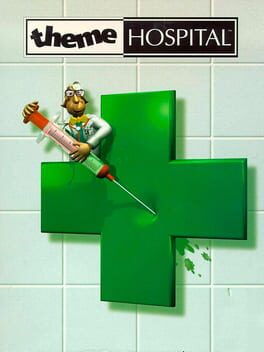 Theme Hospital
 is a business simulation game developed by Bullfrog Productions and published by Electronic Arts in 1997, in which the player designs and operates a hospital. Like most of Bullfrog's games, Theme Hospital is permeated by an eccentric sense of humour. The game is the thematic successor to Theme Park, a game also produced by Bullfrog. The game was a massive commercial success, selling over 4 million copies worldwide.
90
/100
02
Theme Hospital
Theme Hospital is a business simulation game developed by Bullfrog Productions and published by Electronic Arts in 1997, in which the player designs and operates a hospital. Like most of Bullfrog's games, Theme Hospital is permeated by an eccentric sense of humour. The game is the thematic successor to Theme Park, a game also produced by Bullfrog. The game was a massive commercial success, selling over 4 million copies worldwide.
90
/100
02
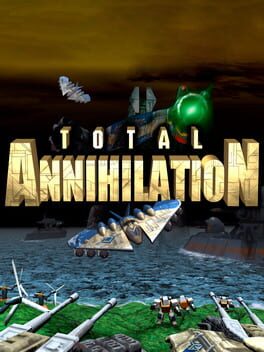 Total Annihilation
What began as a conflict over the transfer of consciousness from flesh to machines escalated into a war which has decimated a million worlds. The Core and the Arm have all but exhausted the resources of a galaxy in their struggle for domination. Both sides now crippled beyond repair, the remnants of their armies continue to battle on ravaged planets, their hatred fuelled by over four thousand years of total war. This is a fight to the death. For each side, the only acceptable outcome is the complete elimination of the other.
86
/100
03
Total Annihilation
What began as a conflict over the transfer of consciousness from flesh to machines escalated into a war which has decimated a million worlds. The Core and the Arm have all but exhausted the resources of a galaxy in their struggle for domination. Both sides now crippled beyond repair, the remnants of their armies continue to battle on ravaged planets, their hatred fuelled by over four thousand years of total war. This is a fight to the death. For each side, the only acceptable outcome is the complete elimination of the other.
86
/100
03
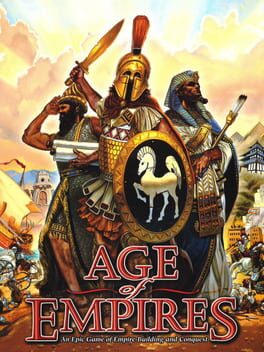 Age of Empires
 (AoE) is a history-based real-time strategy video game developed by Ensemble Studios and published by Microsoft. The game uses the Genie, a 2D sprite-based game engine. The game allows the user to act as the leader of an ancient civilization by advancing it through four ages (the Stone, Tool, Bronze, and Iron Ages), gaining access to new and improved units with each advance.
83
/100
Age of Empires
Age of Empires (AoE) is a history-based real-time strategy video game developed by Ensemble Studios and published by Microsoft. The game uses the Genie, a 2D sprite-based game engine. The game allows the user to act as the leader of an ancient civilization by advancing it through four ages (the Stone, Tool, Bronze, and Iron Ages), gaining access to new and improved units with each advance.
83
/100
Theme Hospital
Theme Hospital is a business simulation game developed by Bullfrog Productions and published by Electronic Arts in 1997, in which the player designs and operates a hospital. Like most of Bullfrog's games, Theme Hospital is permeated by an eccentric sense of humour. The game is the thematic successor to Theme Park, a game also produced by Bullfrog. The game was a massive commercial success, selling over 4 million copies worldwide.
90
/100
02
Total Annihilation
What began as a conflict over the transfer of consciousness from flesh to machines escalated into a war which has decimated a million worlds. The Core and the Arm have all but exhausted the resources of a galaxy in their struggle for domination. Both sides now crippled beyond repair, the remnants of their armies continue to battle on ravaged planets, their hatred fuelled by over four thousand years of total war. This is a fight to the death. For each side, the only acceptable outcome is the complete elimination of the other.
86
/100
03
Age of Empires
Age of Empires (AoE) is a history-based real-time strategy video game developed by Ensemble Studios and published by Microsoft. The game uses the Genie, a 2D sprite-based game engine. The game allows the user to act as the leader of an ancient civilization by advancing it through four ages (the Stone, Tool, Bronze, and Iron Ages), gaining access to new and improved units with each advance.
83
/100
04
 Final Fantasy Tactics
Lead epic battles in a new FINAL FANTASY world. Betrayal and darker dealings await in Squaresoft's game of war. Fight hundreds of battles across dangerous 3D terrain as an ancient blood feud awakens a deadlier foe.
83
/100
05
Final Fantasy Tactics
Lead epic battles in a new FINAL FANTASY world. Betrayal and darker dealings await in Squaresoft's game of war. Fight hundreds of battles across dangerous 3D terrain as an ancient blood feud awakens a deadlier foe.
83
/100
05
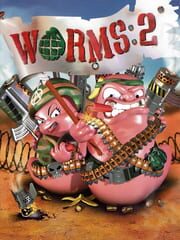 Worms 2
 is a turn-based strategy game, with each team moving in a randomly determined sequence across two-dimensional terrain. During a single turn, a team can only move one of its worms. Worms can crawl and jump, as well as swing by ninja-rope, parachute, teleport, and bungee when the appropriate items are available. The objective of a traditional match or campaign mission is to defeat all opposing teams by killing their worms. When hit with a weapon, the worm will lose health depending on the power of the weapon and the directness of the hit. A worm can be killed either by having its health reduced to zero or being knocked into the water around and below the level.
81
/100
06
Worms 2
Worms 2 is a turn-based strategy game, with each team moving in a randomly determined sequence across two-dimensional terrain. During a single turn, a team can only move one of its worms. Worms can crawl and jump, as well as swing by ninja-rope, parachute, teleport, and bungee when the appropriate items are available. The objective of a traditional match or campaign mission is to defeat all opposing teams by killing their worms. When hit with a weapon, the worm will lose health depending on the power of the weapon and the directness of the hit. A worm can be killed either by having its health reduced to zero or being knocked into the water around and below the level.
81
/100
06
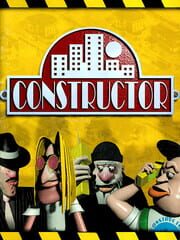 Constructor
In a town where anything goes, you can’t rise to the top without taking a few others down. From dodgy deals to shifty tricks, do what you gotta do to go from small-time slumlord to filthy rich tycoon.
79
/100
07
Constructor
In a town where anything goes, you can’t rise to the top without taking a few others down. From dodgy deals to shifty tricks, do what you gotta do to go from small-time slumlord to filthy rich tycoon.
79
/100
07
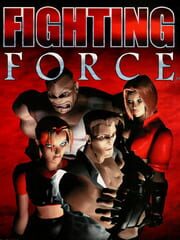 Fighting Force
 players control one of four characters. They move through urban and science fiction environments, battling waves of oncoming enemies with weapons ranging from fists and bottles to knives, chairs and guns. The player can make some choices as to which territory to travel through. The four characters have various reasons for taking on Dr. Zeng, a criminal mastermind with an army at his command. The action starts with a police cordon around Zeng's office skyscraper, moving to such locales as a shopping mall, subway and Coast Guard base before finally ending at the top of Zeng's island headquarters.
74
/100
08
Fighting Force
Fighting Force players control one of four characters. They move through urban and science fiction environments, battling waves of oncoming enemies with weapons ranging from fists and bottles to knives, chairs and guns. The player can make some choices as to which territory to travel through. The four characters have various reasons for taking on Dr. Zeng, a criminal mastermind with an army at his command. The action starts with a police cordon around Zeng's office skyscraper, moving to such locales as a shopping mall, subway and Coast Guard base before finally ending at the top of Zeng's island headquarters.
74
/100
08
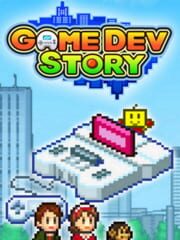 Game Dev Story
In Game Dev Story starting from a small office and a few thousand dollars in the wallet, you will need to hire the necessary personnel to develop the first game of the newborn company. This is how the list of candidates runs: there is a good programmer, an artist a bit scarce and a designer not bad; each of them, thanks to their skills, can give a more or less relevant hand in the realization of the project. Once everything is ready you must finally choose the kind and type of game to be realized, keeping in mind that some combinations will get married much better than others. In Game Dev Story player can choose the platform on which to develop the project, and here things start to get very interesting. Game Dev Story in fact traces the last twenty years of the history of the video game industry, reproposing it in the form of an exhilarating parody: we start from the first computers, and then see almost all the major portable and home consoles announced. The names of companies, games and platforms have been revised, but are entirely traceable back to the originals; the Game Boy becomes the Game Kid and Microsoft is now Microx. However, in addition to the order in which the consoles are launched, the developers have chosen to keep even the success they have had at market level, which, on the one hand makes it even more pleasant to relive these twenty years from the inside , on the other hand, the player can easily predict big business and flop: nobody will be so crazy to develop a game for Virtual Boy (pardòn, Virtual Kid), while immediately supporting the fees of PlayStation and PlayStation 2 could lead to big boxing. There are also annual awards, in which a jury rewards the best games of the year in the various categories. In the course of developing a project, however, the player will never remain with his hands: he will have to instruct his employees in order to cultivate their skills, buy the development kits of the various consoles, send announcements and look for new staff. It is essential to keep the interest of the fans high, create hype and see the players line up days before the game, while sales can increase thanks to good reviews in specialized magazines. And yet, making a sequel to a successful game means starting the odds with good odds that the game sells, while the player can decide whether to invest everything in an ambitious project or make small titles in a very short time, until a budget has been reached. high enough to be able to make and place your console on the market.
70
/100
09
Game Dev Story
In Game Dev Story starting from a small office and a few thousand dollars in the wallet, you will need to hire the necessary personnel to develop the first game of the newborn company. This is how the list of candidates runs: there is a good programmer, an artist a bit scarce and a designer not bad; each of them, thanks to their skills, can give a more or less relevant hand in the realization of the project. Once everything is ready you must finally choose the kind and type of game to be realized, keeping in mind that some combinations will get married much better than others. In Game Dev Story player can choose the platform on which to develop the project, and here things start to get very interesting. Game Dev Story in fact traces the last twenty years of the history of the video game industry, reproposing it in the form of an exhilarating parody: we start from the first computers, and then see almost all the major portable and home consoles announced. The names of companies, games and platforms have been revised, but are entirely traceable back to the originals; the Game Boy becomes the Game Kid and Microsoft is now Microx. However, in addition to the order in which the consoles are launched, the developers have chosen to keep even the success they have had at market level, which, on the one hand makes it even more pleasant to relive these twenty years from the inside , on the other hand, the player can easily predict big business and flop: nobody will be so crazy to develop a game for Virtual Boy (pardòn, Virtual Kid), while immediately supporting the fees of PlayStation and PlayStation 2 could lead to big boxing. There are also annual awards, in which a jury rewards the best games of the year in the various categories. In the course of developing a project, however, the player will never remain with his hands: he will have to instruct his employees in order to cultivate their skills, buy the development kits of the various consoles, send announcements and look for new staff. It is essential to keep the interest of the fans high, create hype and see the players line up days before the game, while sales can increase thanks to good reviews in specialized magazines. And yet, making a sequel to a successful game means starting the odds with good odds that the game sells, while the player can decide whether to invest everything in an ambitious project or make small titles in a very short time, until a budget has been reached. high enough to be able to make and place your console on the market.
70
/100
09
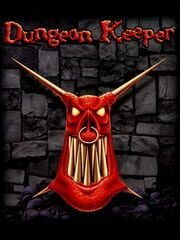 Dungeon Keeper
 is a strategy video game in which the player attempts to build and manage a dungeon or lair while protecting it from invading 'hero' characters intent on stealing the player's accumulated treasures and killing various monsters. This was Peter Molyneux's final project with Bullfrog before he left the company in August 1997 to form Lionhead Studios. The player uses a mouse, represented in-game as a hand, to interact with a bar on the left-hand side of the screen, allowing them to select which rooms to build and which spells to cast. The player can also use the hand to pick up creatures and objects in the dungeon and carry them around, allowing for tactics such as gathering an assault force and dropping off the creatures en masse once a foothold has been established. The hand also allows the player to "slap" objects and thereby interact with them: creatures will hurry up when slapped, some traps will be triggered and prisoners in the Torture Chamber can be tortured. The main game view is in isometric perspective; this view can be zoomed and rotated. The player also has the option of possessing one of their creatures, and seeing the dungeon from that creature's first-person perspective, as well as using their attacks and abilities. The map is divided into a grid of rectangles, most of which are invisible. A smaller part of the map is shown as a minimap in the top left corner of the screen. A world map is also available, and at the beginning of the game the player is allocated one of the 20 regions of a fictional, idyllic country to destroy. As the player progresses through these regions, each of which represents a level of the game, the areas previously conquered will appear ransacked, twisted, and evil. Before starting a new level, the Mentor will tell the player about the current region and its attributes. After completing a level, the Mentor will talk about the "improvement" of the destroyed region: "The streets run with the blood of the slain. Screams of pain and howls of anguish rip the night air like a vengeful siren's song. This really is somewhere you can take the kids for the weekend." The Dungeon Heart represents the Dungeon Keeper's own link to the world. If it is destroyed, the player loses the level, and must restart. Along with the heart, the player begins with a small number of imps, the generic work force for all dungeon activities: they can dig tunnels into the surrounding soil, capture enemy rooms and Portals, mine gold and gems, set traps, and even attack when desperate or threatened. Slapping creatures forces them to work faster for a while, but removes some of their health and happiness. Once the Imps are busily working, the player must then set up a basic infrastructure: Lairs for monsters, a Hatchery (where chickens, which serve as food for the minions, are bred), and a Treasury for storing gold. After connecting the dungeon to a "Portal", monsters will arrive. As the game progresses, the player moves along a technology tree, unlocking further rooms. The dungeon has a fleshed-out ecology: some creatures are natural enemies. Flies and Spiders are often found at odds with one another, while a Horned Reaper, if it has gone berserk, will attack all creatures in its path. The goals for each level are fairly straightforward: they generally fall along the lines of eliminating the heroic force or destroying all other Dungeon Keepers on the level.
10
/100
Dungeon Keeper
Dungeon Keeper is a strategy video game in which the player attempts to build and manage a dungeon or lair while protecting it from invading 'hero' characters intent on stealing the player's accumulated treasures and killing various monsters. This was Peter Molyneux's final project with Bullfrog before he left the company in August 1997 to form Lionhead Studios. The player uses a mouse, represented in-game as a hand, to interact with a bar on the left-hand side of the screen, allowing them to select which rooms to build and which spells to cast. The player can also use the hand to pick up creatures and objects in the dungeon and carry them around, allowing for tactics such as gathering an assault force and dropping off the creatures en masse once a foothold has been established. The hand also allows the player to "slap" objects and thereby interact with them: creatures will hurry up when slapped, some traps will be triggered and prisoners in the Torture Chamber can be tortured. The main game view is in isometric perspective; this view can be zoomed and rotated. The player also has the option of possessing one of their creatures, and seeing the dungeon from that creature's first-person perspective, as well as using their attacks and abilities. The map is divided into a grid of rectangles, most of which are invisible. A smaller part of the map is shown as a minimap in the top left corner of the screen. A world map is also available, and at the beginning of the game the player is allocated one of the 20 regions of a fictional, idyllic country to destroy. As the player progresses through these regions, each of which represents a level of the game, the areas previously conquered will appear ransacked, twisted, and evil. Before starting a new level, the Mentor will tell the player about the current region and its attributes. After completing a level, the Mentor will talk about the "improvement" of the destroyed region: "The streets run with the blood of the slain. Screams of pain and howls of anguish rip the night air like a vengeful siren's song. This really is somewhere you can take the kids for the weekend." The Dungeon Heart represents the Dungeon Keeper's own link to the world. If it is destroyed, the player loses the level, and must restart. Along with the heart, the player begins with a small number of imps, the generic work force for all dungeon activities: they can dig tunnels into the surrounding soil, capture enemy rooms and Portals, mine gold and gems, set traps, and even attack when desperate or threatened. Slapping creatures forces them to work faster for a while, but removes some of their health and happiness. Once the Imps are busily working, the player must then set up a basic infrastructure: Lairs for monsters, a Hatchery (where chickens, which serve as food for the minions, are bred), and a Treasury for storing gold. After connecting the dungeon to a "Portal", monsters will arrive. As the game progresses, the player moves along a technology tree, unlocking further rooms. The dungeon has a fleshed-out ecology: some creatures are natural enemies. Flies and Spiders are often found at odds with one another, while a Horned Reaper, if it has gone berserk, will attack all creatures in its path. The goals for each level are fairly straightforward: they generally fall along the lines of eliminating the heroic force or destroying all other Dungeon Keepers on the level.
10
/100
Final Fantasy Tactics
Lead epic battles in a new FINAL FANTASY world. Betrayal and darker dealings await in Squaresoft's game of war. Fight hundreds of battles across dangerous 3D terrain as an ancient blood feud awakens a deadlier foe.
83
/100
05
Worms 2
Worms 2 is a turn-based strategy game, with each team moving in a randomly determined sequence across two-dimensional terrain. During a single turn, a team can only move one of its worms. Worms can crawl and jump, as well as swing by ninja-rope, parachute, teleport, and bungee when the appropriate items are available. The objective of a traditional match or campaign mission is to defeat all opposing teams by killing their worms. When hit with a weapon, the worm will lose health depending on the power of the weapon and the directness of the hit. A worm can be killed either by having its health reduced to zero or being knocked into the water around and below the level.
81
/100
06
Constructor
In a town where anything goes, you can’t rise to the top without taking a few others down. From dodgy deals to shifty tricks, do what you gotta do to go from small-time slumlord to filthy rich tycoon.
79
/100
07
Fighting Force
Fighting Force players control one of four characters. They move through urban and science fiction environments, battling waves of oncoming enemies with weapons ranging from fists and bottles to knives, chairs and guns. The player can make some choices as to which territory to travel through. The four characters have various reasons for taking on Dr. Zeng, a criminal mastermind with an army at his command. The action starts with a police cordon around Zeng's office skyscraper, moving to such locales as a shopping mall, subway and Coast Guard base before finally ending at the top of Zeng's island headquarters.
74
/100
08
Game Dev Story
In Game Dev Story starting from a small office and a few thousand dollars in the wallet, you will need to hire the necessary personnel to develop the first game of the newborn company. This is how the list of candidates runs: there is a good programmer, an artist a bit scarce and a designer not bad; each of them, thanks to their skills, can give a more or less relevant hand in the realization of the project. Once everything is ready you must finally choose the kind and type of game to be realized, keeping in mind that some combinations will get married much better than others. In Game Dev Story player can choose the platform on which to develop the project, and here things start to get very interesting. Game Dev Story in fact traces the last twenty years of the history of the video game industry, reproposing it in the form of an exhilarating parody: we start from the first computers, and then see almost all the major portable and home consoles announced. The names of companies, games and platforms have been revised, but are entirely traceable back to the originals; the Game Boy becomes the Game Kid and Microsoft is now Microx. However, in addition to the order in which the consoles are launched, the developers have chosen to keep even the success they have had at market level, which, on the one hand makes it even more pleasant to relive these twenty years from the inside , on the other hand, the player can easily predict big business and flop: nobody will be so crazy to develop a game for Virtual Boy (pardòn, Virtual Kid), while immediately supporting the fees of PlayStation and PlayStation 2 could lead to big boxing. There are also annual awards, in which a jury rewards the best games of the year in the various categories. In the course of developing a project, however, the player will never remain with his hands: he will have to instruct his employees in order to cultivate their skills, buy the development kits of the various consoles, send announcements and look for new staff. It is essential to keep the interest of the fans high, create hype and see the players line up days before the game, while sales can increase thanks to good reviews in specialized magazines. And yet, making a sequel to a successful game means starting the odds with good odds that the game sells, while the player can decide whether to invest everything in an ambitious project or make small titles in a very short time, until a budget has been reached. high enough to be able to make and place your console on the market.
70
/100
09
Dungeon Keeper
Dungeon Keeper is a strategy video game in which the player attempts to build and manage a dungeon or lair while protecting it from invading 'hero' characters intent on stealing the player's accumulated treasures and killing various monsters. This was Peter Molyneux's final project with Bullfrog before he left the company in August 1997 to form Lionhead Studios. The player uses a mouse, represented in-game as a hand, to interact with a bar on the left-hand side of the screen, allowing them to select which rooms to build and which spells to cast. The player can also use the hand to pick up creatures and objects in the dungeon and carry them around, allowing for tactics such as gathering an assault force and dropping off the creatures en masse once a foothold has been established. The hand also allows the player to "slap" objects and thereby interact with them: creatures will hurry up when slapped, some traps will be triggered and prisoners in the Torture Chamber can be tortured. The main game view is in isometric perspective; this view can be zoomed and rotated. The player also has the option of possessing one of their creatures, and seeing the dungeon from that creature's first-person perspective, as well as using their attacks and abilities. The map is divided into a grid of rectangles, most of which are invisible. A smaller part of the map is shown as a minimap in the top left corner of the screen. A world map is also available, and at the beginning of the game the player is allocated one of the 20 regions of a fictional, idyllic country to destroy. As the player progresses through these regions, each of which represents a level of the game, the areas previously conquered will appear ransacked, twisted, and evil. Before starting a new level, the Mentor will tell the player about the current region and its attributes. After completing a level, the Mentor will talk about the "improvement" of the destroyed region: "The streets run with the blood of the slain. Screams of pain and howls of anguish rip the night air like a vengeful siren's song. This really is somewhere you can take the kids for the weekend." The Dungeon Heart represents the Dungeon Keeper's own link to the world. If it is destroyed, the player loses the level, and must restart. Along with the heart, the player begins with a small number of imps, the generic work force for all dungeon activities: they can dig tunnels into the surrounding soil, capture enemy rooms and Portals, mine gold and gems, set traps, and even attack when desperate or threatened. Slapping creatures forces them to work faster for a while, but removes some of their health and happiness. Once the Imps are busily working, the player must then set up a basic infrastructure: Lairs for monsters, a Hatchery (where chickens, which serve as food for the minions, are bred), and a Treasury for storing gold. After connecting the dungeon to a "Portal", monsters will arrive. As the game progresses, the player moves along a technology tree, unlocking further rooms. The dungeon has a fleshed-out ecology: some creatures are natural enemies. Flies and Spiders are often found at odds with one another, while a Horned Reaper, if it has gone berserk, will attack all creatures in its path. The goals for each level are fairly straightforward: they generally fall along the lines of eliminating the heroic force or destroying all other Dungeon Keepers on the level.
10
/100
Frequently asked questions
Was ist das beste Strategy-Spiel des Jahres 1997?
Theme Hospital führt das Ranking derzeit mit einem Score von 90/100 aus 219 Wertungen an. Ranking aktualisiert: September 2026.
Wie entsteht dieses Ranking?
Die Spiele werden nach ihrem aggregierten Kritiker-Score von 100 sortiert, mit einer Mindestanzahl an Wertungen, damit eine einzelne Lobeshymne nie einen bewährten Klassiker überholt; die F-bis-S-Noten der Tier-Community stehen neben jedem Spiel.