
Beste Spiele
Beste Android-Spiele des Jahres 1997
Die 11 besten Android-Spiele aus 1997, sortiert nach 4,018 Kritiker- und Spielerwertungen.
Das beste Android-Spiel des Jahres 1997 ist Castlevania: Symphony of the Night, mit einem Kritiker-Score von 92/100 — Stand September 2026.
So entsteht diese Rangliste
- Die Spiele werden nach dem aggregierten Kritikerscore von 100 gewertet, importiert von IGDB und Metacritic, nie nach den Tier-eigenen Wertungen.
- Ein Spiel kommt erst ab 30 externen Bewertungen ins Ranking, damit eine einzelne begeisterte Rezension nie einen bewährten Klassiker überholt.
- Die Community-Wertungen von F bis S stehen neben jedem Spiel und werden erst ab 5 Tier-Bewertungen als Fakt ausgewiesen.
- Abgedeckter Erscheinungszeitraum: 1997.
- 11 Spiele stehen auf dieser Seite, zusammen mit 4,018 Bewertungen.
- Die Ranglisten werden stündlich neu berechnet; diese wurde am 29 September 2026 zuletzt neu aufgebaut.
Top 11
01
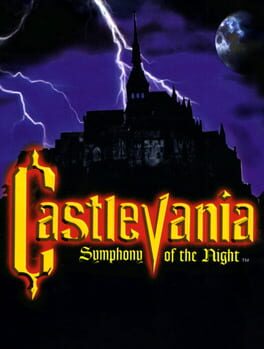 Castlevania: Symphony of the Night
Having been awoken from his eternal slumber by the reappearance of Castlevania, Alucard must once again face the evil minions of darkness. Use your vampiric powers, along with weapons, potions, and other magical relics to change the tide of battle. A mixture of platform and role-playing action with many hidden areas and secrets. Can you discover them all?
92
/100
02
Castlevania: Symphony of the Night
Having been awoken from his eternal slumber by the reappearance of Castlevania, Alucard must once again face the evil minions of darkness. Use your vampiric powers, along with weapons, potions, and other magical relics to change the tide of battle. A mixture of platform and role-playing action with many hidden areas and secrets. Can you discover them all?
92
/100
02
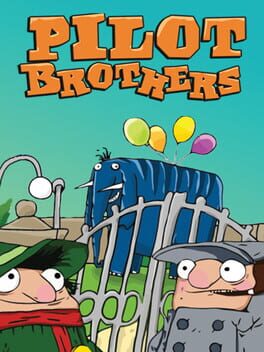 Pilot Brothers
The case of the stolen elephant! Elephant... Rare... Striped. ...has been kept for many years by an animal trader named Karbophos. Being unable to overcome abuse, it escaped and found a home at the zoo in our city. This is definitely Karbophos's work. To the zoo!
89
/100
03
Pilot Brothers
The case of the stolen elephant! Elephant... Rare... Striped. ...has been kept for many years by an animal trader named Karbophos. Being unable to overcome abuse, it escaped and found a home at the zoo in our city. This is definitely Karbophos's work. To the zoo!
89
/100
03
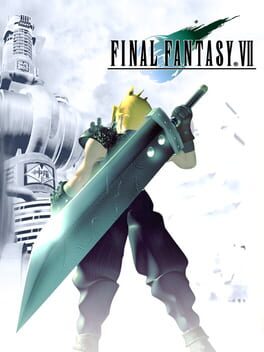 S
Final Fantasy VII
The Western release of Final Fantasy VII (released as Final Fantasy VII International in Japan) included additional elements and alterations, such as streamlining of the menu and Materia system, reducing the health of enemies, new visual cues to help with navigation across the world map, and additional cutscenes relating to Cloud's past.
85
/100
S
Final Fantasy VII
The Western release of Final Fantasy VII (released as Final Fantasy VII International in Japan) included additional elements and alterations, such as streamlining of the menu and Materia system, reducing the health of enemies, new visual cues to help with navigation across the world map, and additional cutscenes relating to Cloud's past.
85
/100
Castlevania: Symphony of the Night
Having been awoken from his eternal slumber by the reappearance of Castlevania, Alucard must once again face the evil minions of darkness. Use your vampiric powers, along with weapons, potions, and other magical relics to change the tide of battle. A mixture of platform and role-playing action with many hidden areas and secrets. Can you discover them all?
92
/100
02
Pilot Brothers
The case of the stolen elephant! Elephant... Rare... Striped. ...has been kept for many years by an animal trader named Karbophos. Being unable to overcome abuse, it escaped and found a home at the zoo in our city. This is definitely Karbophos's work. To the zoo!
89
/100
03
S
Final Fantasy VII
The Western release of Final Fantasy VII (released as Final Fantasy VII International in Japan) included additional elements and alterations, such as streamlining of the menu and Materia system, reducing the health of enemies, new visual cues to help with navigation across the world map, and additional cutscenes relating to Cloud's past.
85
/100
04
 Grandia
 is a role-playing video game developed by Game Arts and published by Entertainment Software Publishing for the Sega Saturn console as the first game in their Grandia series. Initially released in Japan in 1997, the game was later ported to the PlayStation in 1999, with an English version of the game appearing on the platform in North America in the following September by Sony Computer Entertainment America, and later in Europe in March 2000 by Ubisoft. The game was produced by much of the same staff who worked on the company's previous role-playing endeavor, the Lunar series, including producer Yoichi Miyagi and music composer Noriyuki Iwadare. Since its release, Grandia has become notable for its combat mechanics, which have been carried over to future games within the franchise, and has spawned two spin-off titles – Grandia: Digital Museum and Grandia: Parallel Trippers – both released exclusively in Japan. In celebration of the announcement of renewing development on Grandia Online, which acts as a prequel to Grandia, the game was re-released on Sony's PlayStation Network platform in Japan as a downloadable title in April 2009 and in North America on February 25, 2010. It was re-released in Europe on November 10, 2010.
89
/100
05
Grandia
Grandia is a role-playing video game developed by Game Arts and published by Entertainment Software Publishing for the Sega Saturn console as the first game in their Grandia series. Initially released in Japan in 1997, the game was later ported to the PlayStation in 1999, with an English version of the game appearing on the platform in North America in the following September by Sony Computer Entertainment America, and later in Europe in March 2000 by Ubisoft. The game was produced by much of the same staff who worked on the company's previous role-playing endeavor, the Lunar series, including producer Yoichi Miyagi and music composer Noriyuki Iwadare. Since its release, Grandia has become notable for its combat mechanics, which have been carried over to future games within the franchise, and has spawned two spin-off titles – Grandia: Digital Museum and Grandia: Parallel Trippers – both released exclusively in Japan. In celebration of the announcement of renewing development on Grandia Online, which acts as a prequel to Grandia, the game was re-released on Sony's PlayStation Network platform in Japan as a downloadable title in April 2009 and in North America on February 25, 2010. It was re-released in Europe on November 10, 2010.
89
/100
05
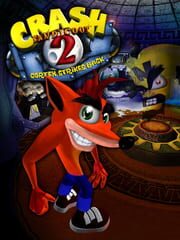 Crash Bandicoot 2: Cortex Strikes Back
 is the second game in the Crash Bandicoot series, and the sequel to the original game. The gameplay is largely similar to that of the original, as players make their way through a limited environment whilst breaking crates that contains bonuses. The goal of the game is to gather 25 crystals for Crash's nemesis, Doctor Neo Cortex. The crystals are scattered between 25 different levels accessible via Warp Rooms, which are hub areas of the game. A level is cleared by collecting its respective crystal and reaching the end of its path, which returns Crash to the Warp Room.
83
/100
06
Crash Bandicoot 2: Cortex Strikes Back
Crash Bandicoot 2: Cortex Strikes Back is the second game in the Crash Bandicoot series, and the sequel to the original game. The gameplay is largely similar to that of the original, as players make their way through a limited environment whilst breaking crates that contains bonuses. The goal of the game is to gather 25 crystals for Crash's nemesis, Doctor Neo Cortex. The crystals are scattered between 25 different levels accessible via Warp Rooms, which are hub areas of the game. A level is cleared by collecting its respective crystal and reaching the end of its path, which returns Crash to the Warp Room.
83
/100
06
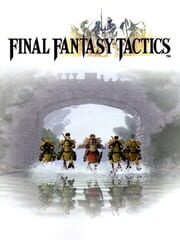 Final Fantasy Tactics
Lead epic battles in a new FINAL FANTASY world. Betrayal and darker dealings await in Squaresoft's game of war. Fight hundreds of battles across dangerous 3D terrain as an ancient blood feud awakens a deadlier foe.
83
/100
07
Final Fantasy Tactics
Lead epic battles in a new FINAL FANTASY world. Betrayal and darker dealings await in Squaresoft's game of war. Fight hundreds of battles across dangerous 3D terrain as an ancient blood feud awakens a deadlier foe.
83
/100
07
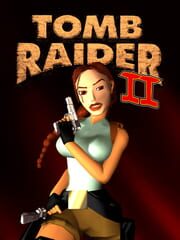 Tomb Raider II
 is the second game of the Tomb Raider games series. It is an action game with platforming and puzzle-solving elements, similar in concept and gameplay to its predecessor. Most of the gameplay consists of traversing hazardous 3D levels utilizing Lara's athletic skills and solving environmental puzzles. The sequel puts more emphasis on fighting enemies, adding many human foes to the mix. Additional weapons include a harpoon gun, a grenade launcher, and an M16 rifle. Automatic pistols replace the magnums from the first game.
80
/100
08
Tomb Raider II
Tomb Raider II is the second game of the Tomb Raider games series. It is an action game with platforming and puzzle-solving elements, similar in concept and gameplay to its predecessor. Most of the gameplay consists of traversing hazardous 3D levels utilizing Lara's athletic skills and solving environmental puzzles. The sequel puts more emphasis on fighting enemies, adding many human foes to the mix. Additional weapons include a harpoon gun, a grenade launcher, and an M16 rifle. Automatic pistols replace the magnums from the first game.
80
/100
08
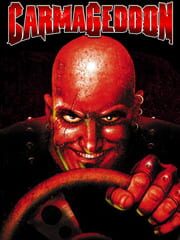 Carmageddon
Take the wheel as Max Damage as you plow scores of vehicles unlucky enough to be in your way in Carmageddon, an action racing game. Your soundtrack will be the sound of crunching metal, the splatter of motor oil on the windshield, and the screams of skidding tires. With a white-knuckled grip on the wheel, you'll have the choice of 23 crash mobiles (from a terrifying monster truck to a high octane Dragster) and 30+ levels of hellish fury and motorized terror.
80
/100
09
Carmageddon
Take the wheel as Max Damage as you plow scores of vehicles unlucky enough to be in your way in Carmageddon, an action racing game. Your soundtrack will be the sound of crunching metal, the splatter of motor oil on the windshield, and the screams of skidding tires. With a white-knuckled grip on the wheel, you'll have the choice of 23 crash mobiles (from a terrifying monster truck to a high octane Dragster) and 30+ levels of hellish fury and motorized terror.
80
/100
09
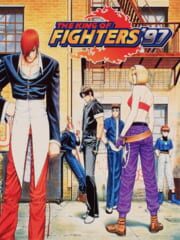 THE KING OF FIGHTERS '97
The King of Fighters '97 is a 1997 fighting game produced by SNK for the Neo Geo arcade and home console. It is the fourth game in The King of Fighters series. It was ported to the Neo-Geo CD, as well as the PlayStation and the Sega Saturn in Japan only.
71
/100
10
THE KING OF FIGHTERS '97
The King of Fighters '97 is a 1997 fighting game produced by SNK for the Neo Geo arcade and home console. It is the fourth game in The King of Fighters series. It was ported to the Neo-Geo CD, as well as the PlayStation and the Sega Saturn in Japan only.
71
/100
10
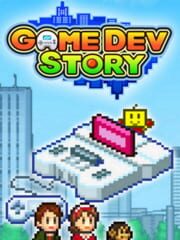 Game Dev Story
In Game Dev Story starting from a small office and a few thousand dollars in the wallet, you will need to hire the necessary personnel to develop the first game of the newborn company. This is how the list of candidates runs: there is a good programmer, an artist a bit scarce and a designer not bad; each of them, thanks to their skills, can give a more or less relevant hand in the realization of the project. Once everything is ready you must finally choose the kind and type of game to be realized, keeping in mind that some combinations will get married much better than others. In Game Dev Story player can choose the platform on which to develop the project, and here things start to get very interesting. Game Dev Story in fact traces the last twenty years of the history of the video game industry, reproposing it in the form of an exhilarating parody: we start from the first computers, and then see almost all the major portable and home consoles announced. The names of companies, games and platforms have been revised, but are entirely traceable back to the originals; the Game Boy becomes the Game Kid and Microsoft is now Microx. However, in addition to the order in which the consoles are launched, the developers have chosen to keep even the success they have had at market level, which, on the one hand makes it even more pleasant to relive these twenty years from the inside , on the other hand, the player can easily predict big business and flop: nobody will be so crazy to develop a game for Virtual Boy (pardòn, Virtual Kid), while immediately supporting the fees of PlayStation and PlayStation 2 could lead to big boxing. There are also annual awards, in which a jury rewards the best games of the year in the various categories. In the course of developing a project, however, the player will never remain with his hands: he will have to instruct his employees in order to cultivate their skills, buy the development kits of the various consoles, send announcements and look for new staff. It is essential to keep the interest of the fans high, create hype and see the players line up days before the game, while sales can increase thanks to good reviews in specialized magazines. And yet, making a sequel to a successful game means starting the odds with good odds that the game sells, while the player can decide whether to invest everything in an ambitious project or make small titles in a very short time, until a budget has been reached. high enough to be able to make and place your console on the market.
70
/100
11
Game Dev Story
In Game Dev Story starting from a small office and a few thousand dollars in the wallet, you will need to hire the necessary personnel to develop the first game of the newborn company. This is how the list of candidates runs: there is a good programmer, an artist a bit scarce and a designer not bad; each of them, thanks to their skills, can give a more or less relevant hand in the realization of the project. Once everything is ready you must finally choose the kind and type of game to be realized, keeping in mind that some combinations will get married much better than others. In Game Dev Story player can choose the platform on which to develop the project, and here things start to get very interesting. Game Dev Story in fact traces the last twenty years of the history of the video game industry, reproposing it in the form of an exhilarating parody: we start from the first computers, and then see almost all the major portable and home consoles announced. The names of companies, games and platforms have been revised, but are entirely traceable back to the originals; the Game Boy becomes the Game Kid and Microsoft is now Microx. However, in addition to the order in which the consoles are launched, the developers have chosen to keep even the success they have had at market level, which, on the one hand makes it even more pleasant to relive these twenty years from the inside , on the other hand, the player can easily predict big business and flop: nobody will be so crazy to develop a game for Virtual Boy (pardòn, Virtual Kid), while immediately supporting the fees of PlayStation and PlayStation 2 could lead to big boxing. There are also annual awards, in which a jury rewards the best games of the year in the various categories. In the course of developing a project, however, the player will never remain with his hands: he will have to instruct his employees in order to cultivate their skills, buy the development kits of the various consoles, send announcements and look for new staff. It is essential to keep the interest of the fans high, create hype and see the players line up days before the game, while sales can increase thanks to good reviews in specialized magazines. And yet, making a sequel to a successful game means starting the odds with good odds that the game sells, while the player can decide whether to invest everything in an ambitious project or make small titles in a very short time, until a budget has been reached. high enough to be able to make and place your console on the market.
70
/100
11
 POSTAL
56
/100
POSTAL
56
/100
Grandia
Grandia is a role-playing video game developed by Game Arts and published by Entertainment Software Publishing for the Sega Saturn console as the first game in their Grandia series. Initially released in Japan in 1997, the game was later ported to the PlayStation in 1999, with an English version of the game appearing on the platform in North America in the following September by Sony Computer Entertainment America, and later in Europe in March 2000 by Ubisoft. The game was produced by much of the same staff who worked on the company's previous role-playing endeavor, the Lunar series, including producer Yoichi Miyagi and music composer Noriyuki Iwadare. Since its release, Grandia has become notable for its combat mechanics, which have been carried over to future games within the franchise, and has spawned two spin-off titles – Grandia: Digital Museum and Grandia: Parallel Trippers – both released exclusively in Japan. In celebration of the announcement of renewing development on Grandia Online, which acts as a prequel to Grandia, the game was re-released on Sony's PlayStation Network platform in Japan as a downloadable title in April 2009 and in North America on February 25, 2010. It was re-released in Europe on November 10, 2010.
89
/100
05
Crash Bandicoot 2: Cortex Strikes Back
Crash Bandicoot 2: Cortex Strikes Back is the second game in the Crash Bandicoot series, and the sequel to the original game. The gameplay is largely similar to that of the original, as players make their way through a limited environment whilst breaking crates that contains bonuses. The goal of the game is to gather 25 crystals for Crash's nemesis, Doctor Neo Cortex. The crystals are scattered between 25 different levels accessible via Warp Rooms, which are hub areas of the game. A level is cleared by collecting its respective crystal and reaching the end of its path, which returns Crash to the Warp Room.
83
/100
06
Final Fantasy Tactics
Lead epic battles in a new FINAL FANTASY world. Betrayal and darker dealings await in Squaresoft's game of war. Fight hundreds of battles across dangerous 3D terrain as an ancient blood feud awakens a deadlier foe.
83
/100
07
Tomb Raider II
Tomb Raider II is the second game of the Tomb Raider games series. It is an action game with platforming and puzzle-solving elements, similar in concept and gameplay to its predecessor. Most of the gameplay consists of traversing hazardous 3D levels utilizing Lara's athletic skills and solving environmental puzzles. The sequel puts more emphasis on fighting enemies, adding many human foes to the mix. Additional weapons include a harpoon gun, a grenade launcher, and an M16 rifle. Automatic pistols replace the magnums from the first game.
80
/100
08
Carmageddon
Take the wheel as Max Damage as you plow scores of vehicles unlucky enough to be in your way in Carmageddon, an action racing game. Your soundtrack will be the sound of crunching metal, the splatter of motor oil on the windshield, and the screams of skidding tires. With a white-knuckled grip on the wheel, you'll have the choice of 23 crash mobiles (from a terrifying monster truck to a high octane Dragster) and 30+ levels of hellish fury and motorized terror.
80
/100
09
THE KING OF FIGHTERS '97
The King of Fighters '97 is a 1997 fighting game produced by SNK for the Neo Geo arcade and home console. It is the fourth game in The King of Fighters series. It was ported to the Neo-Geo CD, as well as the PlayStation and the Sega Saturn in Japan only.
71
/100
10
Game Dev Story
In Game Dev Story starting from a small office and a few thousand dollars in the wallet, you will need to hire the necessary personnel to develop the first game of the newborn company. This is how the list of candidates runs: there is a good programmer, an artist a bit scarce and a designer not bad; each of them, thanks to their skills, can give a more or less relevant hand in the realization of the project. Once everything is ready you must finally choose the kind and type of game to be realized, keeping in mind that some combinations will get married much better than others. In Game Dev Story player can choose the platform on which to develop the project, and here things start to get very interesting. Game Dev Story in fact traces the last twenty years of the history of the video game industry, reproposing it in the form of an exhilarating parody: we start from the first computers, and then see almost all the major portable and home consoles announced. The names of companies, games and platforms have been revised, but are entirely traceable back to the originals; the Game Boy becomes the Game Kid and Microsoft is now Microx. However, in addition to the order in which the consoles are launched, the developers have chosen to keep even the success they have had at market level, which, on the one hand makes it even more pleasant to relive these twenty years from the inside , on the other hand, the player can easily predict big business and flop: nobody will be so crazy to develop a game for Virtual Boy (pardòn, Virtual Kid), while immediately supporting the fees of PlayStation and PlayStation 2 could lead to big boxing. There are also annual awards, in which a jury rewards the best games of the year in the various categories. In the course of developing a project, however, the player will never remain with his hands: he will have to instruct his employees in order to cultivate their skills, buy the development kits of the various consoles, send announcements and look for new staff. It is essential to keep the interest of the fans high, create hype and see the players line up days before the game, while sales can increase thanks to good reviews in specialized magazines. And yet, making a sequel to a successful game means starting the odds with good odds that the game sells, while the player can decide whether to invest everything in an ambitious project or make small titles in a very short time, until a budget has been reached. high enough to be able to make and place your console on the market.
70
/100
11
POSTAL
56
/100
Frequently asked questions
Was ist das beste Android-Spiel des Jahres 1997?
Castlevania: Symphony of the Night führt das Ranking derzeit mit einem Score von 92/100 aus 815 Wertungen an. Ranking aktualisiert: September 2026.
Wie entsteht dieses Ranking?
Die Spiele werden nach ihrem aggregierten Kritiker-Score von 100 sortiert, mit einer Mindestanzahl an Wertungen, damit eine einzelne Lobeshymne nie einen bewährten Klassiker überholt; die F-bis-S-Noten der Tier-Community stehen neben jedem Spiel.