
Best games
Best Arcade games of 1996
The 8 best Arcade games released in 1996, ranked from 522 critic and player ratings.
The best Arcade game of 1996 is Metal Slug, with a critic score of 82/100 — updated September 2026.
How this ranking is built
- Games are ranked on the aggregated critic score out of 100 imported from IGDB and Metacritic, never on Tier's own grades.
- A game only enters the ranking with at least 30 external ratings, so a single enthusiastic review never outranks a proven classic.
- Community grades from F to S are shown next to every game, and only stated as a fact above 5 Tier ratings.
- Release window covered: 1996.
- 8 games are listed on this page, carrying 522 ratings between them.
- Rankings are recomputed hourly; this one was last rebuilt on 28 September 2026.
Top 8
01
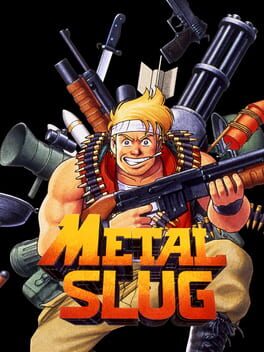 Metal Slug
 is a 1996 run-and-gun arcade video game originally developed by Nazca Corporation and released by SNK for the Neo Geo MVS. It is the first installment in the eponymous series. Set in 2028, players assume the role of Peregrine Falcon Strike Force soldiers Marco Rossi and Tarma Roving in a fight against the Rebel Army led by Donald Morden and overthrow his coup d'état to prevent a New World Order.
82
/100
02
Metal Slug
Metal Slug is a 1996 run-and-gun arcade video game originally developed by Nazca Corporation and released by SNK for the Neo Geo MVS. It is the first installment in the eponymous series. Set in 2028, players assume the role of Peregrine Falcon Strike Force soldiers Marco Rossi and Tarma Roving in a fight against the Rebel Army led by Donald Morden and overthrow his coup d'état to prevent a New World Order.
82
/100
02
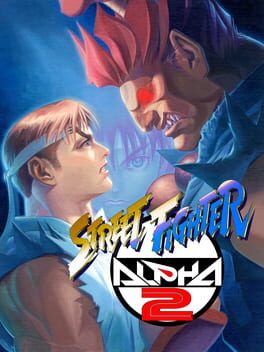 Street Fighter Alpha 2
 is both a sequel and a remake to the previous year's Street Fighter Alpha: Warriors' Dreams. The game features a number of improvements over the original, such as new attacks, stages, endings, and gameplay features. New characters in this version include Gen, Rolento and Sakura. Dhalsim and Zangief also return to the fight with some new moves.
85
/100
03
Street Fighter Alpha 2
Street Fighter Alpha 2 is both a sequel and a remake to the previous year's Street Fighter Alpha: Warriors' Dreams. The game features a number of improvements over the original, such as new attacks, stages, endings, and gameplay features. New characters in this version include Gen, Rolento and Sakura. Dhalsim and Zangief also return to the fight with some new moves.
85
/100
03
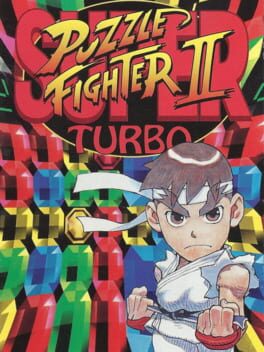 Super Puzzle Fighter II Turbo
The game's title is a parody of Super Street Fighter II Turbo (or Super Street Fighter II X in Japan), as there are no other Puzzle Fighter games, and the game includes music and interface elements spoofing the Street Fighter Alpha and Darkstalkers games. It was a response to SEGA's popular Puyo Puyo 2 that has been sweeping Japanese arcade. A HD-remake version titled Super Puzzle Fighter II Turbo HD Remix, is available for purchase on Microsoft's Xbox Live Arcade and Sony's PlayStation Network.
85
/100
Super Puzzle Fighter II Turbo
The game's title is a parody of Super Street Fighter II Turbo (or Super Street Fighter II X in Japan), as there are no other Puzzle Fighter games, and the game includes music and interface elements spoofing the Street Fighter Alpha and Darkstalkers games. It was a response to SEGA's popular Puyo Puyo 2 that has been sweeping Japanese arcade. A HD-remake version titled Super Puzzle Fighter II Turbo HD Remix, is available for purchase on Microsoft's Xbox Live Arcade and Sony's PlayStation Network.
85
/100
Metal Slug
Metal Slug is a 1996 run-and-gun arcade video game originally developed by Nazca Corporation and released by SNK for the Neo Geo MVS. It is the first installment in the eponymous series. Set in 2028, players assume the role of Peregrine Falcon Strike Force soldiers Marco Rossi and Tarma Roving in a fight against the Rebel Army led by Donald Morden and overthrow his coup d'état to prevent a New World Order.
82
/100
02
Street Fighter Alpha 2
Street Fighter Alpha 2 is both a sequel and a remake to the previous year's Street Fighter Alpha: Warriors' Dreams. The game features a number of improvements over the original, such as new attacks, stages, endings, and gameplay features. New characters in this version include Gen, Rolento and Sakura. Dhalsim and Zangief also return to the fight with some new moves.
85
/100
03
Super Puzzle Fighter II Turbo
The game's title is a parody of Super Street Fighter II Turbo (or Super Street Fighter II X in Japan), as there are no other Puzzle Fighter games, and the game includes music and interface elements spoofing the Street Fighter Alpha and Darkstalkers games. It was a response to SEGA's popular Puyo Puyo 2 that has been sweeping Japanese arcade. A HD-remake version titled Super Puzzle Fighter II Turbo HD Remix, is available for purchase on Microsoft's Xbox Live Arcade and Sony's PlayStation Network.
85
/100
04
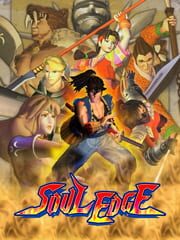 Soul Edge
 is a 3D arcade fighting game and the first in the Soul series, it is one of the first 3D fighting game in history that place a particular emphasis on the story of the fighters. Each character have their own weapon, allowing for a wide range of play styles. The slower, longer ranged characters try to deliver their heavy blows from a distance whereas the quicker, faster characters try to get in as close as possible and deliver quick-hitting attacks.
83
/100
05
Soul Edge
Soul Edge is a 3D arcade fighting game and the first in the Soul series, it is one of the first 3D fighting game in history that place a particular emphasis on the story of the fighters. Each character have their own weapon, allowing for a wide range of play styles. The slower, longer ranged characters try to deliver their heavy blows from a distance whereas the quicker, faster characters try to get in as close as possible and deliver quick-hitting attacks.
83
/100
05
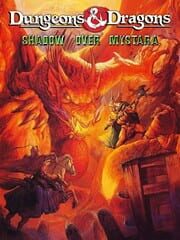 Dungeons & Dragons: Shadow over Mystara
Shadow over Mystara is a side-scrolling beat-'em-up with role-play elements that make it stand out from other similar games released at the time. In addition to the original four heroes found in its predecessor, Dungeons & Dragons: Tower of Doom (Cleric, Dwarf, Elf and Fighter), Shadow of Mystara adds a Thief and a Magic-User to the selection. Furthermore, with the inclusion of two separate versions of each character's sprite set, the game allows up to two players to select the same character (in Tower of Doom each of the characters could only be selected once), effectively giving the game 12 "different" characters to choose from. The two Clerics and two Magic Users also have subtle differences within their spell books. The controls are using four buttons: Attack, Jump, Select (brings up a small inventory ring around the character allowing the player to choose what item is set in the Use slot) and Use. The Cleric, Elf and Magic-User also have two extra rings for their spells, with the Jump button used to switch from ring to ring. While the game uses the same kick harness as the previous game, the Select and Use buttons are reversed. Shadow over Mystara also introduced a selection of special moves which are executed by moving the joystick and tapping the buttons in certain combinations, in a way similar to the Street Fighter series. The characters (except for the Magic-User) have a Dashing Attack as well as a Rising Attack which can be used to combo monsters or even juggle them in the air. Most characters (again, with the exception of the Magic-User and also Cleric) also have a Megacrush, a move common to nearly all of Capcom side-scrollers, which damages all enemies standing close enough to the character but in turn also damaging the player themselves.
75
/100
06
Dungeons & Dragons: Shadow over Mystara
Shadow over Mystara is a side-scrolling beat-'em-up with role-play elements that make it stand out from other similar games released at the time. In addition to the original four heroes found in its predecessor, Dungeons & Dragons: Tower of Doom (Cleric, Dwarf, Elf and Fighter), Shadow of Mystara adds a Thief and a Magic-User to the selection. Furthermore, with the inclusion of two separate versions of each character's sprite set, the game allows up to two players to select the same character (in Tower of Doom each of the characters could only be selected once), effectively giving the game 12 "different" characters to choose from. The two Clerics and two Magic Users also have subtle differences within their spell books. The controls are using four buttons: Attack, Jump, Select (brings up a small inventory ring around the character allowing the player to choose what item is set in the Use slot) and Use. The Cleric, Elf and Magic-User also have two extra rings for their spells, with the Jump button used to switch from ring to ring. While the game uses the same kick harness as the previous game, the Select and Use buttons are reversed. Shadow over Mystara also introduced a selection of special moves which are executed by moving the joystick and tapping the buttons in certain combinations, in a way similar to the Street Fighter series. The characters (except for the Magic-User) have a Dashing Attack as well as a Rising Attack which can be used to combo monsters or even juggle them in the air. Most characters (again, with the exception of the Magic-User and also Cleric) also have a Megacrush, a move common to nearly all of Capcom side-scrollers, which damages all enemies standing close enough to the character but in turn also damaging the player themselves.
75
/100
06
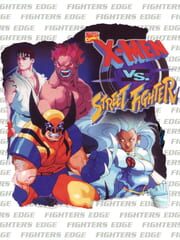 X-Men vs. Street Fighter
 is a fighting game originally released as a coin-operated arcade game in 1996. It is Capcom's third fighting game to feature Marvel Comics characters and the first game to match them against their own, with characters from Marvel's X-Men franchise being matched against the cast from the Street Fighter series. It was the first game to blend a tag team style of combat with the Street Fighter gameplay, as well as incorporating elements from Capcom's previous Marvel-themed fighting games, X-Men: Children of the Atom and Marvel Super Heroes.
75
/100
07
X-Men vs. Street Fighter
X-Men vs. Street Fighter is a fighting game originally released as a coin-operated arcade game in 1996. It is Capcom's third fighting game to feature Marvel Comics characters and the first game to match them against their own, with characters from Marvel's X-Men franchise being matched against the cast from the Street Fighter series. It was the first game to blend a tag team style of combat with the Street Fighter gameplay, as well as incorporating elements from Capcom's previous Marvel-themed fighting games, X-Men: Children of the Atom and Marvel Super Heroes.
75
/100
07
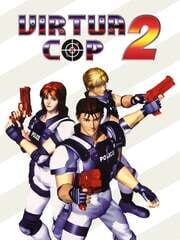 Virtua Cop 2
During the events of the first, the original Virtua Cops, Michael "Rage" Hardy and James "Smarty" Cools shut down the E.V.I.L Inc. criminal empire. Three of its leaders, King, Boss, and Kong are all in the maximum security federal pen. And the final, fourth member of the E.V.I.L Inc. gang, international terrorist Joe Fang is believed to have been killed in a helicopter crash, though his body was never found. After the downfall of E.V.I.L Inc., a comprehensive investigation of their black market and gun-running activities was launched in the Virtua City bank. Last year it looked as though the Virtua Squad had finally put an end to the E.V.I.L Syndicate’s reign of crime over Virtua City. The gangleaders were all either behind bars, in intensive care, or under 6 feet of dirt. And the Virtua City Police Special Investigations Unit got a new member in the shape of Janet Marshall, an expert in criminal psychology profiling. Then trouble started brewing in unlikely places.... The vice-president of the Virtua City Bank was killed in shady circumstances that were only officially termed "accidental". And the swollen accounts of the now-defunct E.V.I.L Syndicate, which he had been suspected of laundering, were emptied overnight. The missing funds amounted to more than the GNP of most small countries. Meanwhile, on the other side of town, alarms break the quiet and calm of the Virtua City air. A daring daylight raid on the biggest jeweler’s in the state! And at the site of the new subway construction, there’s been an unusual amount of unexplained activity involving some very suspicious-looking materiel. Looks like the E.V.I.L is reborn.
72
/100
08
Virtua Cop 2
During the events of the first, the original Virtua Cops, Michael "Rage" Hardy and James "Smarty" Cools shut down the E.V.I.L Inc. criminal empire. Three of its leaders, King, Boss, and Kong are all in the maximum security federal pen. And the final, fourth member of the E.V.I.L Inc. gang, international terrorist Joe Fang is believed to have been killed in a helicopter crash, though his body was never found. After the downfall of E.V.I.L Inc., a comprehensive investigation of their black market and gun-running activities was launched in the Virtua City bank. Last year it looked as though the Virtua Squad had finally put an end to the E.V.I.L Syndicate’s reign of crime over Virtua City. The gangleaders were all either behind bars, in intensive care, or under 6 feet of dirt. And the Virtua City Police Special Investigations Unit got a new member in the shape of Janet Marshall, an expert in criminal psychology profiling. Then trouble started brewing in unlikely places.... The vice-president of the Virtua City Bank was killed in shady circumstances that were only officially termed "accidental". And the swollen accounts of the now-defunct E.V.I.L Syndicate, which he had been suspected of laundering, were emptied overnight. The missing funds amounted to more than the GNP of most small countries. Meanwhile, on the other side of town, alarms break the quiet and calm of the Virtua City air. A daring daylight raid on the biggest jeweler’s in the state! And at the site of the new subway construction, there’s been an unusual amount of unexplained activity involving some very suspicious-looking materiel. Looks like the E.V.I.L is reborn.
72
/100
08
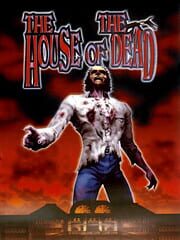 The House of the Dead
 is a first-person, light gun arcade game. Players assume the role of agents Thomas Rogan and "G" in their efforts to repel the dangerous, inhumane experiments of Dr. Curien, a madman.
68
/100
The House of the Dead
The House of the Dead is a first-person, light gun arcade game. Players assume the role of agents Thomas Rogan and "G" in their efforts to repel the dangerous, inhumane experiments of Dr. Curien, a madman.
68
/100
Soul Edge
Soul Edge is a 3D arcade fighting game and the first in the Soul series, it is one of the first 3D fighting game in history that place a particular emphasis on the story of the fighters. Each character have their own weapon, allowing for a wide range of play styles. The slower, longer ranged characters try to deliver their heavy blows from a distance whereas the quicker, faster characters try to get in as close as possible and deliver quick-hitting attacks.
83
/100
05
Dungeons & Dragons: Shadow over Mystara
Shadow over Mystara is a side-scrolling beat-'em-up with role-play elements that make it stand out from other similar games released at the time. In addition to the original four heroes found in its predecessor, Dungeons & Dragons: Tower of Doom (Cleric, Dwarf, Elf and Fighter), Shadow of Mystara adds a Thief and a Magic-User to the selection. Furthermore, with the inclusion of two separate versions of each character's sprite set, the game allows up to two players to select the same character (in Tower of Doom each of the characters could only be selected once), effectively giving the game 12 "different" characters to choose from. The two Clerics and two Magic Users also have subtle differences within their spell books. The controls are using four buttons: Attack, Jump, Select (brings up a small inventory ring around the character allowing the player to choose what item is set in the Use slot) and Use. The Cleric, Elf and Magic-User also have two extra rings for their spells, with the Jump button used to switch from ring to ring. While the game uses the same kick harness as the previous game, the Select and Use buttons are reversed. Shadow over Mystara also introduced a selection of special moves which are executed by moving the joystick and tapping the buttons in certain combinations, in a way similar to the Street Fighter series. The characters (except for the Magic-User) have a Dashing Attack as well as a Rising Attack which can be used to combo monsters or even juggle them in the air. Most characters (again, with the exception of the Magic-User and also Cleric) also have a Megacrush, a move common to nearly all of Capcom side-scrollers, which damages all enemies standing close enough to the character but in turn also damaging the player themselves.
75
/100
06
X-Men vs. Street Fighter
X-Men vs. Street Fighter is a fighting game originally released as a coin-operated arcade game in 1996. It is Capcom's third fighting game to feature Marvel Comics characters and the first game to match them against their own, with characters from Marvel's X-Men franchise being matched against the cast from the Street Fighter series. It was the first game to blend a tag team style of combat with the Street Fighter gameplay, as well as incorporating elements from Capcom's previous Marvel-themed fighting games, X-Men: Children of the Atom and Marvel Super Heroes.
75
/100
07
Virtua Cop 2
During the events of the first, the original Virtua Cops, Michael "Rage" Hardy and James "Smarty" Cools shut down the E.V.I.L Inc. criminal empire. Three of its leaders, King, Boss, and Kong are all in the maximum security federal pen. And the final, fourth member of the E.V.I.L Inc. gang, international terrorist Joe Fang is believed to have been killed in a helicopter crash, though his body was never found. After the downfall of E.V.I.L Inc., a comprehensive investigation of their black market and gun-running activities was launched in the Virtua City bank. Last year it looked as though the Virtua Squad had finally put an end to the E.V.I.L Syndicate’s reign of crime over Virtua City. The gangleaders were all either behind bars, in intensive care, or under 6 feet of dirt. And the Virtua City Police Special Investigations Unit got a new member in the shape of Janet Marshall, an expert in criminal psychology profiling. Then trouble started brewing in unlikely places.... The vice-president of the Virtua City Bank was killed in shady circumstances that were only officially termed "accidental". And the swollen accounts of the now-defunct E.V.I.L Syndicate, which he had been suspected of laundering, were emptied overnight. The missing funds amounted to more than the GNP of most small countries. Meanwhile, on the other side of town, alarms break the quiet and calm of the Virtua City air. A daring daylight raid on the biggest jeweler’s in the state! And at the site of the new subway construction, there’s been an unusual amount of unexplained activity involving some very suspicious-looking materiel. Looks like the E.V.I.L is reborn.
72
/100
08
The House of the Dead
The House of the Dead is a first-person, light gun arcade game. Players assume the role of agents Thomas Rogan and "G" in their efforts to repel the dangerous, inhumane experiments of Dr. Curien, a madman.
68
/100
Frequently asked questions
What is the best Arcade game of 1996?
Metal Slug currently tops the ranking with a score of 82/100 across 281 ratings. Ranking updated September 2026.
How is this ranking built?
Games are ranked on their aggregated critic score out of 100, with a minimum vote threshold so a single glowing review never outranks a proven classic; the Tier community's own F-to-S grades are shown alongside each game.