
Melhores jogos
Melhores jogos de 1987
Os 8 melhores jogos lançados em 1987, ordenados a partir de 1,510 avaliações da crítica e dos jogadores.
O melhor jogo de 1987 é Mike Tyson's Punch-Out!!, com uma pontuação da crítica de 83/100 — atualizado em setembro 2026.
Como é construído este ranking
- Os jogos são ordenados pela nota agregada da crítica em 100 importada do IGDB e do Metacritic, nunca pelas notas próprias do Tier.
- Um jogo só entra no ranking a partir de 80 avaliações externas, para que uma única crítica entusiasta nunca ultrapasse um clássico consagrado.
- As notas da comunidade, de F a S, aparecem ao lado de cada jogo e só são afirmadas como facto acima de 5 avaliações no Tier.
- Período de lançamento abrangido: 1987.
- 8 jogos aparecem nesta página, com 1,510 avaliações no total.
- Os rankings são recalculados de hora a hora; este foi reconstruído a 28 setembro 2026.
Top 8
01
 Mike Tyson's Punch-Out!!
Punch-Out!!, originally released in North America as Mike Tyson's Punch-Out!!, is a boxing sports fighting video game for the Nintendo Entertainment System (NES) developed and published by Nintendo in 1987. Part of the Punch-Out!! series, it is a port of both the Punch-Out!! and Super Punch-Out!! arcade games (particularly the latter) with some variations. Punch-Out!! features a boxer known as Little Mac working his way up the professional boxing circuits, facing a series of colorful, fictional boxers, leading to a final fight with real-life boxer, the then-World Heavyweight Champion, which is Mike Tyson in the original version and Mr. Dream in the later version. Little Mac has a limited repertoire compared to most of his opponents. His punches are limited to left and right jabs, left and right body blows, and a powerful uppercut. The uppercut can only be used once the player earns a star, which is typically accomplished by counter-punching the opponent directly before or after certain attacks are launched. The player can acquire up to three stars. To perform the uppercut, the player needs to press the start button once a star is earned. To defend, Mac can dodge left or right, duck, and block punches by putting up his guard. Little Mac also has a heart meter, which decreases by three upon being struck by an opponent and one upon blocking an attack or an opponent blocking/dodging the player's attack. When the heart meter decreases to zero, Little Mac temporarily turns pink and appears exhausted, leaving the player unable to attack but still able to dodge or block. At this point, Mac can regain some hearts (and his normal color palette) only by avoiding the opponent's punches. He immediately loses all of his hearts upon being knocked down, but can regain some by getting up. A bout can end by knockout (KO), if a fighter is unable to get up within ten seconds after being knocked down; by technical knockout (TKO), if a fighter is knocked down three times in one round; or by decision, if the bout lasts three full rounds without a clear winner. In order to win by decision, the player must accumulate higher than a certain point total by punching the opponent and/or knocking him down (different boxers require different point totals to win by decision). However, some bouts cannot be won in this manner and will automatically result in a loss for the player if the opponent is not knocked out. Mac can only get up three times during any one bout; if he is knocked down a fourth time, he will be unable to rise and thus lose by knockout. When Mac loses his first bout to a ranked opponent, he will have a chance to fight a rematch. However, if he loses a Title Bout, he will fall in the rankings - one place for the Minor or Major Circuits, two places for the World Circuit. Losing a rematch causes him to fall one place (unless he is already at the bottom of his circuit), forcing him to fight his way back up. A third loss (not necessarily a consecutive one) ends the game. The exception is the final fight against Mike Tyson/Mr. Dream; a loss to them automatically results in a game over.
83
/100
02
Mike Tyson's Punch-Out!!
Punch-Out!!, originally released in North America as Mike Tyson's Punch-Out!!, is a boxing sports fighting video game for the Nintendo Entertainment System (NES) developed and published by Nintendo in 1987. Part of the Punch-Out!! series, it is a port of both the Punch-Out!! and Super Punch-Out!! arcade games (particularly the latter) with some variations. Punch-Out!! features a boxer known as Little Mac working his way up the professional boxing circuits, facing a series of colorful, fictional boxers, leading to a final fight with real-life boxer, the then-World Heavyweight Champion, which is Mike Tyson in the original version and Mr. Dream in the later version. Little Mac has a limited repertoire compared to most of his opponents. His punches are limited to left and right jabs, left and right body blows, and a powerful uppercut. The uppercut can only be used once the player earns a star, which is typically accomplished by counter-punching the opponent directly before or after certain attacks are launched. The player can acquire up to three stars. To perform the uppercut, the player needs to press the start button once a star is earned. To defend, Mac can dodge left or right, duck, and block punches by putting up his guard. Little Mac also has a heart meter, which decreases by three upon being struck by an opponent and one upon blocking an attack or an opponent blocking/dodging the player's attack. When the heart meter decreases to zero, Little Mac temporarily turns pink and appears exhausted, leaving the player unable to attack but still able to dodge or block. At this point, Mac can regain some hearts (and his normal color palette) only by avoiding the opponent's punches. He immediately loses all of his hearts upon being knocked down, but can regain some by getting up. A bout can end by knockout (KO), if a fighter is unable to get up within ten seconds after being knocked down; by technical knockout (TKO), if a fighter is knocked down three times in one round; or by decision, if the bout lasts three full rounds without a clear winner. In order to win by decision, the player must accumulate higher than a certain point total by punching the opponent and/or knocking him down (different boxers require different point totals to win by decision). However, some bouts cannot be won in this manner and will automatically result in a loss for the player if the opponent is not knocked out. Mac can only get up three times during any one bout; if he is knocked down a fourth time, he will be unable to rise and thus lose by knockout. When Mac loses his first bout to a ranked opponent, he will have a chance to fight a rematch. However, if he loses a Title Bout, he will fall in the rankings - one place for the Minor or Major Circuits, two places for the World Circuit. Losing a rematch causes him to fall one place (unless he is already at the bottom of his circuit), forcing him to fight his way back up. A third loss (not necessarily a consecutive one) ends the game. The exception is the final fight against Mike Tyson/Mr. Dream; a loss to them automatically results in a game over.
83
/100
02
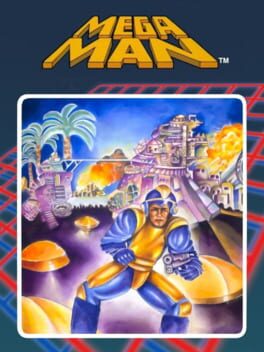 Mega Man (1987)
Experience the game that started it all! Play as cybernetic hero Mega Man as you battle to stop the evil scientist Dr. Wily and his Robot Masters from taking over the world! A classic platformer in every sense of the word, Mega Man features timeless 8-bit graphics, a memorable soundtrack, and balanced but challenging gameplay that combine to create one of the most iconic video games of all time. Mega Man, known as Rockman in Japan, is a 1987 action-platform video game developed and published by Capcom for the Nintendo Entertainment System (NES). It was directed by Akira Kitamura, with Nobuyuki Matsushima as lead programmer, and is the first game of the Mega Man franchise and the original video game series. Mega Man was produced by a small team specifically for the home console market, a first for Capcom, who previously focused on arcade titles.
76
/100
03
Mega Man (1987)
Experience the game that started it all! Play as cybernetic hero Mega Man as you battle to stop the evil scientist Dr. Wily and his Robot Masters from taking over the world! A classic platformer in every sense of the word, Mega Man features timeless 8-bit graphics, a memorable soundtrack, and balanced but challenging gameplay that combine to create one of the most iconic video games of all time. Mega Man, known as Rockman in Japan, is a 1987 action-platform video game developed and published by Capcom for the Nintendo Entertainment System (NES). It was directed by Akira Kitamura, with Nobuyuki Matsushima as lead programmer, and is the first game of the Mega Man franchise and the original video game series. Mega Man was produced by a small team specifically for the home console market, a first for Capcom, who previously focused on arcade titles.
76
/100
03
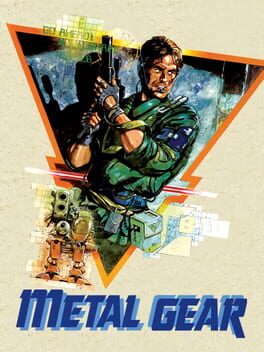 Metal Gear
 is considered to be the progenitor of the stealth game genre, it was also the first video game designed by Hideo Kojima, who also directed many of the later Metal Gear sequels. The game revolves around a special forces operative codenamed Solid Snake who goes into a solo infiltration mission into the fortified state of Outer Heaven to destroy Metal Gear, a bipedal walking tank capable of launching nuclear missiles from anywhere in the world. The player must navigate the main character, a military operative codenamed Solid Snake, through various locations, while avoiding visual contact and direct confrontation with patrolling guards. If the player is seen, the game enters the "Alert Mode." In this situation, Snake must escape from enemy's sight in order to resume infiltration. The method of escaping varies depending on the circumstances behind discovery: If Snake is seen and only a single exclamation mark appears over an enemy's head, only the enemies in the player's present screen will attack and Snake can escape by simply moving to an adjacent screen. However, if two exclamation marks appear over the enemy (or the player triggers an alarm by being spotted by a camera, infrared sensor or by using an unsuppressed weapon), reinforcements from off-screen will appear as well. Snake can only escape by eliminating all incoming enemies, going outdoors, or by entering an elevator. The player starts the game unarmed, but eventually acquires firearms such as a Beretta 92F and an M79 grenade launcher, as well as explosives such as remote control missiles and landmines. Ammo and supplies for weapons are limited, but are replenished by picking up ammunition caches or additional supplies. Weapons can not only be used to kill enemies, but also to clear obstacles such as hollow walls and electrified floors. Snake can also use his fists to punch and defeat patrolling enemies. Occasionally, if the player defeats a guard with punches without alerting anyone, the defeated guard will yield a single unit of rations or an ammo box that can be picked up. In addition to enemy guards, the player will also be confronted by mercenaries who will challenge the player to combat, serving as the boss characters. The enemy base consists of three different buildings, with multiple floors (including basement levels) within them. The player uses key cards and other items to unlock doors and explore new areas. Each door will only open to its corresponding key cards. Information can be obtained by rescuing hostages being held within the buildings. After rescuing five hostages, the player's rank will increase by one star (with the maximum rank being four stars), allowing for increased carrying capacity and maximum health. However, if a hostage is killed, the player is demoted to the previous rank. A transceiver is available for the player to communicate with their commanding officer, Big Boss, or one of the resistance members operating covertly near Outer Heaven (Schneider, Diane, and Jennifer). Each of Snake's allies specializes in a specific subject. The player must keep track of their allies' frequency numbers in order to contact them. All of the radio messages are dependent on the rooms where the player is located.
73
/100
Metal Gear
Metal Gear is considered to be the progenitor of the stealth game genre, it was also the first video game designed by Hideo Kojima, who also directed many of the later Metal Gear sequels. The game revolves around a special forces operative codenamed Solid Snake who goes into a solo infiltration mission into the fortified state of Outer Heaven to destroy Metal Gear, a bipedal walking tank capable of launching nuclear missiles from anywhere in the world. The player must navigate the main character, a military operative codenamed Solid Snake, through various locations, while avoiding visual contact and direct confrontation with patrolling guards. If the player is seen, the game enters the "Alert Mode." In this situation, Snake must escape from enemy's sight in order to resume infiltration. The method of escaping varies depending on the circumstances behind discovery: If Snake is seen and only a single exclamation mark appears over an enemy's head, only the enemies in the player's present screen will attack and Snake can escape by simply moving to an adjacent screen. However, if two exclamation marks appear over the enemy (or the player triggers an alarm by being spotted by a camera, infrared sensor or by using an unsuppressed weapon), reinforcements from off-screen will appear as well. Snake can only escape by eliminating all incoming enemies, going outdoors, or by entering an elevator. The player starts the game unarmed, but eventually acquires firearms such as a Beretta 92F and an M79 grenade launcher, as well as explosives such as remote control missiles and landmines. Ammo and supplies for weapons are limited, but are replenished by picking up ammunition caches or additional supplies. Weapons can not only be used to kill enemies, but also to clear obstacles such as hollow walls and electrified floors. Snake can also use his fists to punch and defeat patrolling enemies. Occasionally, if the player defeats a guard with punches without alerting anyone, the defeated guard will yield a single unit of rations or an ammo box that can be picked up. In addition to enemy guards, the player will also be confronted by mercenaries who will challenge the player to combat, serving as the boss characters. The enemy base consists of three different buildings, with multiple floors (including basement levels) within them. The player uses key cards and other items to unlock doors and explore new areas. Each door will only open to its corresponding key cards. Information can be obtained by rescuing hostages being held within the buildings. After rescuing five hostages, the player's rank will increase by one star (with the maximum rank being four stars), allowing for increased carrying capacity and maximum health. However, if a hostage is killed, the player is demoted to the previous rank. A transceiver is available for the player to communicate with their commanding officer, Big Boss, or one of the resistance members operating covertly near Outer Heaven (Schneider, Diane, and Jennifer). Each of Snake's allies specializes in a specific subject. The player must keep track of their allies' frequency numbers in order to contact them. All of the radio messages are dependent on the rooms where the player is located.
73
/100
Mike Tyson's Punch-Out!!
Punch-Out!!, originally released in North America as Mike Tyson's Punch-Out!!, is a boxing sports fighting video game for the Nintendo Entertainment System (NES) developed and published by Nintendo in 1987. Part of the Punch-Out!! series, it is a port of both the Punch-Out!! and Super Punch-Out!! arcade games (particularly the latter) with some variations. Punch-Out!! features a boxer known as Little Mac working his way up the professional boxing circuits, facing a series of colorful, fictional boxers, leading to a final fight with real-life boxer, the then-World Heavyweight Champion, which is Mike Tyson in the original version and Mr. Dream in the later version. Little Mac has a limited repertoire compared to most of his opponents. His punches are limited to left and right jabs, left and right body blows, and a powerful uppercut. The uppercut can only be used once the player earns a star, which is typically accomplished by counter-punching the opponent directly before or after certain attacks are launched. The player can acquire up to three stars. To perform the uppercut, the player needs to press the start button once a star is earned. To defend, Mac can dodge left or right, duck, and block punches by putting up his guard. Little Mac also has a heart meter, which decreases by three upon being struck by an opponent and one upon blocking an attack or an opponent blocking/dodging the player's attack. When the heart meter decreases to zero, Little Mac temporarily turns pink and appears exhausted, leaving the player unable to attack but still able to dodge or block. At this point, Mac can regain some hearts (and his normal color palette) only by avoiding the opponent's punches. He immediately loses all of his hearts upon being knocked down, but can regain some by getting up. A bout can end by knockout (KO), if a fighter is unable to get up within ten seconds after being knocked down; by technical knockout (TKO), if a fighter is knocked down three times in one round; or by decision, if the bout lasts three full rounds without a clear winner. In order to win by decision, the player must accumulate higher than a certain point total by punching the opponent and/or knocking him down (different boxers require different point totals to win by decision). However, some bouts cannot be won in this manner and will automatically result in a loss for the player if the opponent is not knocked out. Mac can only get up three times during any one bout; if he is knocked down a fourth time, he will be unable to rise and thus lose by knockout. When Mac loses his first bout to a ranked opponent, he will have a chance to fight a rematch. However, if he loses a Title Bout, he will fall in the rankings - one place for the Minor or Major Circuits, two places for the World Circuit. Losing a rematch causes him to fall one place (unless he is already at the bottom of his circuit), forcing him to fight his way back up. A third loss (not necessarily a consecutive one) ends the game. The exception is the final fight against Mike Tyson/Mr. Dream; a loss to them automatically results in a game over.
83
/100
02
Mega Man (1987)
Experience the game that started it all! Play as cybernetic hero Mega Man as you battle to stop the evil scientist Dr. Wily and his Robot Masters from taking over the world! A classic platformer in every sense of the word, Mega Man features timeless 8-bit graphics, a memorable soundtrack, and balanced but challenging gameplay that combine to create one of the most iconic video games of all time. Mega Man, known as Rockman in Japan, is a 1987 action-platform video game developed and published by Capcom for the Nintendo Entertainment System (NES). It was directed by Akira Kitamura, with Nobuyuki Matsushima as lead programmer, and is the first game of the Mega Man franchise and the original video game series. Mega Man was produced by a small team specifically for the home console market, a first for Capcom, who previously focused on arcade titles.
76
/100
03
Metal Gear
Metal Gear is considered to be the progenitor of the stealth game genre, it was also the first video game designed by Hideo Kojima, who also directed many of the later Metal Gear sequels. The game revolves around a special forces operative codenamed Solid Snake who goes into a solo infiltration mission into the fortified state of Outer Heaven to destroy Metal Gear, a bipedal walking tank capable of launching nuclear missiles from anywhere in the world. The player must navigate the main character, a military operative codenamed Solid Snake, through various locations, while avoiding visual contact and direct confrontation with patrolling guards. If the player is seen, the game enters the "Alert Mode." In this situation, Snake must escape from enemy's sight in order to resume infiltration. The method of escaping varies depending on the circumstances behind discovery: If Snake is seen and only a single exclamation mark appears over an enemy's head, only the enemies in the player's present screen will attack and Snake can escape by simply moving to an adjacent screen. However, if two exclamation marks appear over the enemy (or the player triggers an alarm by being spotted by a camera, infrared sensor or by using an unsuppressed weapon), reinforcements from off-screen will appear as well. Snake can only escape by eliminating all incoming enemies, going outdoors, or by entering an elevator. The player starts the game unarmed, but eventually acquires firearms such as a Beretta 92F and an M79 grenade launcher, as well as explosives such as remote control missiles and landmines. Ammo and supplies for weapons are limited, but are replenished by picking up ammunition caches or additional supplies. Weapons can not only be used to kill enemies, but also to clear obstacles such as hollow walls and electrified floors. Snake can also use his fists to punch and defeat patrolling enemies. Occasionally, if the player defeats a guard with punches without alerting anyone, the defeated guard will yield a single unit of rations or an ammo box that can be picked up. In addition to enemy guards, the player will also be confronted by mercenaries who will challenge the player to combat, serving as the boss characters. The enemy base consists of three different buildings, with multiple floors (including basement levels) within them. The player uses key cards and other items to unlock doors and explore new areas. Each door will only open to its corresponding key cards. Information can be obtained by rescuing hostages being held within the buildings. After rescuing five hostages, the player's rank will increase by one star (with the maximum rank being four stars), allowing for increased carrying capacity and maximum health. However, if a hostage is killed, the player is demoted to the previous rank. A transceiver is available for the player to communicate with their commanding officer, Big Boss, or one of the resistance members operating covertly near Outer Heaven (Schneider, Diane, and Jennifer). Each of Snake's allies specializes in a specific subject. The player must keep track of their allies' frequency numbers in order to contact them. All of the radio messages are dependent on the rooms where the player is located.
73
/100
04
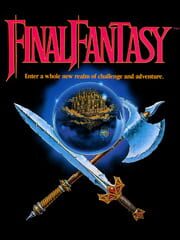 S
Final Fantasy (1987)
Final Fantasy, also known as FFI in re-releases, is the first role-playing game title in Square's flagship Final Fantasy series. The game puts players in control of four characters known as the Warriors of Light, and begins by asking the player to select the classes and names of each. The Warriors of Light can traverse the maps of dungeons and towns, which are connected by a world map, and will run into random encounters with enemies or fight bosses.
70
/100
05
S
Final Fantasy (1987)
Final Fantasy, also known as FFI in re-releases, is the first role-playing game title in Square's flagship Final Fantasy series. The game puts players in control of four characters known as the Warriors of Light, and begins by asking the player to select the classes and names of each. The Warriors of Light can traverse the maps of dungeons and towns, which are connected by a world map, and will run into random encounters with enemies or fight bosses.
70
/100
05
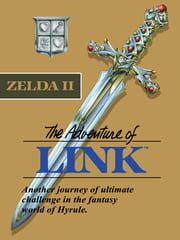 Zelda II: The Adventure of Link
 is the second major installment in The Legend of Zelda series and the direct sequel to the first game. Like its predecessor, it features dungeons that must be located in the overworld and searched for an item that will prove useful. However, the game presents many very important gameplay changes compared to the previous one, affecting especially the movements and the combat. Moving around the world map involves encounters with enemies that take place on a side-scrolling playfield rather than the top-down perspective for which the series became known.
66
/100
06
Zelda II: The Adventure of Link
Zelda II: The Adventure of Link is the second major installment in The Legend of Zelda series and the direct sequel to the first game. Like its predecessor, it features dungeons that must be located in the overworld and searched for an item that will prove useful. However, the game presents many very important gameplay changes compared to the previous one, affecting especially the movements and the combat. Moving around the world map involves encounters with enemies that take place on a side-scrolling playfield rather than the top-down perspective for which the series became known.
66
/100
06
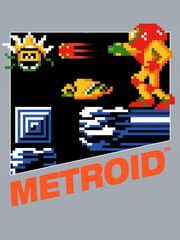 Metroid
It's you against the evil Mother Brain in the thrilling battle of Metroid! You're inside the fortress planet Zebes. The planet of endless secret passageways where the Metroid are multiplying. Left alone the Metroid are harmless. But in the wrong hands they could destroy the galaxy. It's up to you to prevent the Mother Brain that controls Zebes from using the Metroid for evil purposes. But that won't be easy. You'll have to use your spacesuit to absorb valuable energy for your search to gain the use of power items like the Ice Beam, Wave Beam, High Jump Boots and Varia. If you survive, it will be you and your acquired powers against the Mother Brain.
60
/100
07
Metroid
It's you against the evil Mother Brain in the thrilling battle of Metroid! You're inside the fortress planet Zebes. The planet of endless secret passageways where the Metroid are multiplying. Left alone the Metroid are harmless. But in the wrong hands they could destroy the galaxy. It's up to you to prevent the Mother Brain that controls Zebes from using the Metroid for evil purposes. But that won't be easy. You'll have to use your spacesuit to absorb valuable energy for your search to gain the use of power items like the Ice Beam, Wave Beam, High Jump Boots and Varia. If you survive, it will be you and your acquired powers against the Mother Brain.
60
/100
07
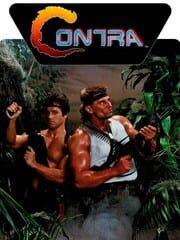 Contra
 (also known as Gryzor in Oceania and Europe), is a 1987 run and gun action game developed and published by Konami originally released as a coin-operated arcade game on February 20, 1987. The game had multiple ports, including for various computer formats. Several Contra sequels were produced following the original game.
50
/100
08
Contra
Contra (also known as Gryzor in Oceania and Europe), is a 1987 run and gun action game developed and published by Konami originally released as a coin-operated arcade game on February 20, 1987. The game had multiple ports, including for various computer formats. Several Contra sequels were produced following the original game.
50
/100
08
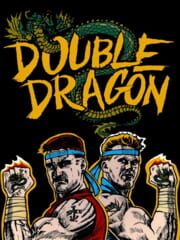 Double Dragon
 is a 1987 beat 'em up video game developed by Technōs Japan and distributed by Taito for arcades across Asia, North America and Europe. It is the first title in the Double Dragon franchise. The player character has a repertoire of martial arts techniques which they can perform using the joystick and three action buttons (kick, jump, and punch) individually or in combination. Techniques range from basic punches and kicks to more elaborate manoeuvres like hair-grabbing moves and elbow strikes. When playing with another player, one can assist the other by grabbing their partner's opponent from behind. Caution should be taken, though, as some enemies can do the same thing to the players. The player begins the game with a certain number of extra lives and a life gauge which depletes as the player takes hits. If the life gauge runs out or the time limit reaches zero, the player will lose a life. There is a small variety of enemy characters that the player will face through the course of the game. Certain enemies carry melee weapons, which can be knocked out of their hands and picked up to use against them. Available weapons include baseball bats, whips, throwing knives, and dynamite; in addition, rocks, oil drums, and boxes can be found in certain places. The game is divided into four stages or "missions," consisting of a city slum, a factory, the woods, and the gang's hideout. The game normally ends if a single player defeats the final boss alone. However, if two players complete the game together, they are forced to fight each other to determine who will win Marian's affections.
39
/100
Double Dragon
Double Dragon is a 1987 beat 'em up video game developed by Technōs Japan and distributed by Taito for arcades across Asia, North America and Europe. It is the first title in the Double Dragon franchise. The player character has a repertoire of martial arts techniques which they can perform using the joystick and three action buttons (kick, jump, and punch) individually or in combination. Techniques range from basic punches and kicks to more elaborate manoeuvres like hair-grabbing moves and elbow strikes. When playing with another player, one can assist the other by grabbing their partner's opponent from behind. Caution should be taken, though, as some enemies can do the same thing to the players. The player begins the game with a certain number of extra lives and a life gauge which depletes as the player takes hits. If the life gauge runs out or the time limit reaches zero, the player will lose a life. There is a small variety of enemy characters that the player will face through the course of the game. Certain enemies carry melee weapons, which can be knocked out of their hands and picked up to use against them. Available weapons include baseball bats, whips, throwing knives, and dynamite; in addition, rocks, oil drums, and boxes can be found in certain places. The game is divided into four stages or "missions," consisting of a city slum, a factory, the woods, and the gang's hideout. The game normally ends if a single player defeats the final boss alone. However, if two players complete the game together, they are forced to fight each other to determine who will win Marian's affections.
39
/100
S
Final Fantasy (1987)
Final Fantasy, also known as FFI in re-releases, is the first role-playing game title in Square's flagship Final Fantasy series. The game puts players in control of four characters known as the Warriors of Light, and begins by asking the player to select the classes and names of each. The Warriors of Light can traverse the maps of dungeons and towns, which are connected by a world map, and will run into random encounters with enemies or fight bosses.
70
/100
05
Zelda II: The Adventure of Link
Zelda II: The Adventure of Link is the second major installment in The Legend of Zelda series and the direct sequel to the first game. Like its predecessor, it features dungeons that must be located in the overworld and searched for an item that will prove useful. However, the game presents many very important gameplay changes compared to the previous one, affecting especially the movements and the combat. Moving around the world map involves encounters with enemies that take place on a side-scrolling playfield rather than the top-down perspective for which the series became known.
66
/100
06
Metroid
It's you against the evil Mother Brain in the thrilling battle of Metroid! You're inside the fortress planet Zebes. The planet of endless secret passageways where the Metroid are multiplying. Left alone the Metroid are harmless. But in the wrong hands they could destroy the galaxy. It's up to you to prevent the Mother Brain that controls Zebes from using the Metroid for evil purposes. But that won't be easy. You'll have to use your spacesuit to absorb valuable energy for your search to gain the use of power items like the Ice Beam, Wave Beam, High Jump Boots and Varia. If you survive, it will be you and your acquired powers against the Mother Brain.
60
/100
07
Contra
Contra (also known as Gryzor in Oceania and Europe), is a 1987 run and gun action game developed and published by Konami originally released as a coin-operated arcade game on February 20, 1987. The game had multiple ports, including for various computer formats. Several Contra sequels were produced following the original game.
50
/100
08
Double Dragon
Double Dragon is a 1987 beat 'em up video game developed by Technōs Japan and distributed by Taito for arcades across Asia, North America and Europe. It is the first title in the Double Dragon franchise. The player character has a repertoire of martial arts techniques which they can perform using the joystick and three action buttons (kick, jump, and punch) individually or in combination. Techniques range from basic punches and kicks to more elaborate manoeuvres like hair-grabbing moves and elbow strikes. When playing with another player, one can assist the other by grabbing their partner's opponent from behind. Caution should be taken, though, as some enemies can do the same thing to the players. The player begins the game with a certain number of extra lives and a life gauge which depletes as the player takes hits. If the life gauge runs out or the time limit reaches zero, the player will lose a life. There is a small variety of enemy characters that the player will face through the course of the game. Certain enemies carry melee weapons, which can be knocked out of their hands and picked up to use against them. Available weapons include baseball bats, whips, throwing knives, and dynamite; in addition, rocks, oil drums, and boxes can be found in certain places. The game is divided into four stages or "missions," consisting of a city slum, a factory, the woods, and the gang's hideout. The game normally ends if a single player defeats the final boss alone. However, if two players complete the game together, they are forced to fight each other to determine who will win Marian's affections.
39
/100
Frequently asked questions
Qual é o melhor jogo de 1987?
Mike Tyson's Punch-Out!! lidera atualmente a classificação com uma pontuação de 83/100 em 114 avaliações. Classificação atualizada em setembro 2026.
Como é construída esta classificação?
Os jogos são ordenados pela pontuação agregada da crítica em 100, com um limiar mínimo de votos para que uma única crítica entusiasta nunca ultrapasse um clássico consagrado; os grades de F a S da comunidade Tier são apresentados ao lado de cada jogo.