
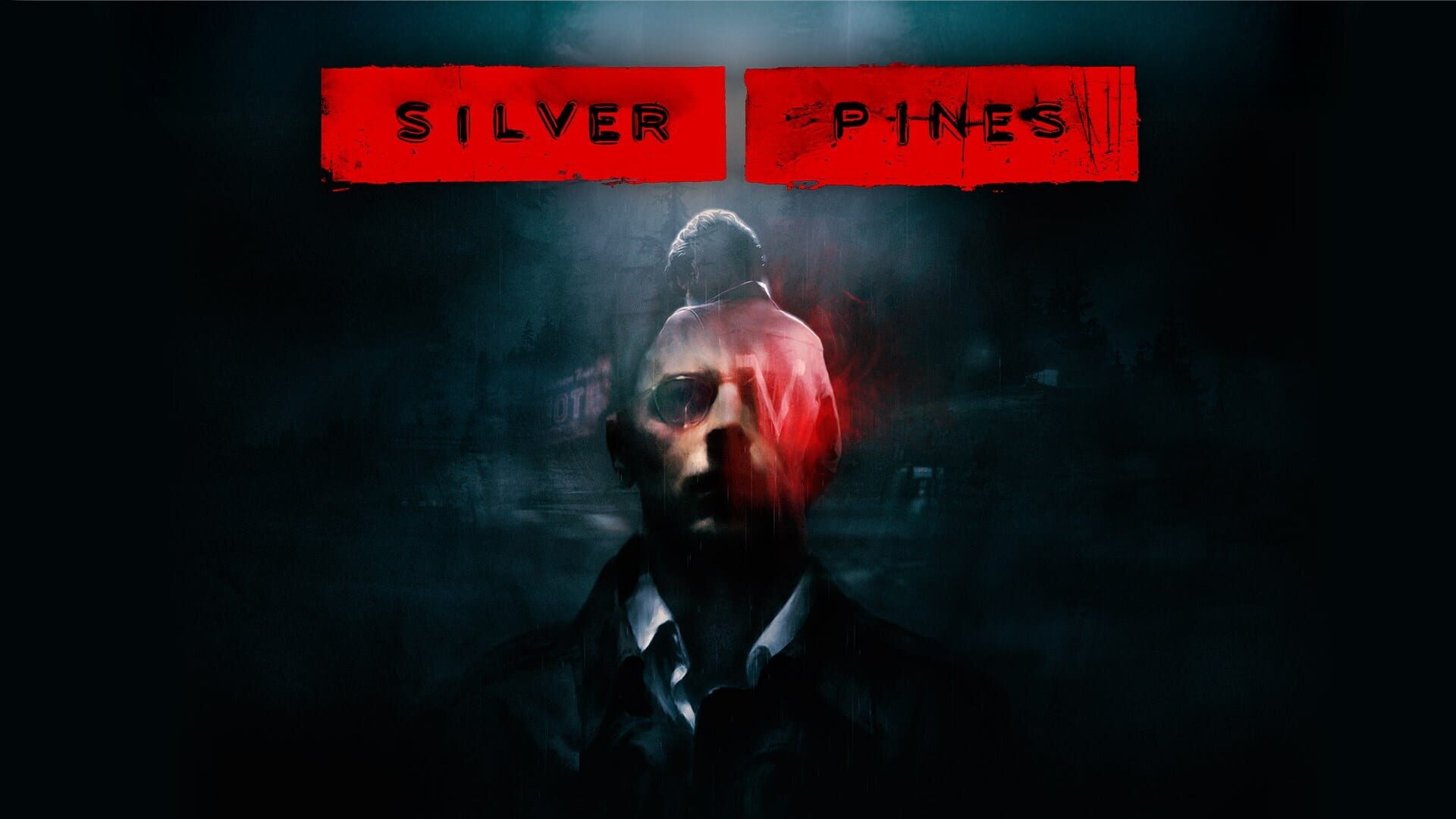
"Silver Pines is a dive into mystery that's hard to put down and even harder to let go," wrote Max Williams in his review for GamesRadar+. Everyone covering this launch agrees on the mystery part. Where I split from the pack is on what that mystery is actually doing for the game — and for Wych Elm's business.
My Thesis: The Confusion Is the Strategy
Silver Pines launched on October 8, 2026 on PC, PlayStation 5, Xbox Series X|S, and Nintendo Switch, built by first-time studio Wych Elm and published by Team17. Reviewers keep filing the story's ambiguity under "flaws," right next to the clunky combat. I think that's a category error. The combat is a flaw. The unanswered questions are a feature, and a deliberate one, dressed up as a weakness so critics have something to dock a point for.
A debut studio publishing through an indie-friendly label doesn't win by being tidy. It wins by being talked about. A game that resolves every thread on credits roll gets a review score and a shrug. A game that leaves players debating theories after multiple endings gets a Discord server, a subreddit, and six months of free marketing Wych Elm never has to buy.
What the Record Actually Shows
Look at the shape of the rollout. Team17 announced the game on October 23, 2025, then let the mystery breathe: a gameplay trailer in March 2026, a Windows demo in June 2026 timed to the release-date reveal, and only then the full game. That's nearly a year of controlled drip-feed for a studio's first title. You don't build that kind of patience into a marketing calendar unless the plan was always to let players fill the gaps with speculation rather than official lore dumps.
The reviews that landed on launch week back this up, even while complaining about it:
"The game appeared ready to deliver a surrealist narrative while developing its own identity."
That's from an early preview, and it's the giveaway. "Surrealist" isn't a synonym for "broken." It's a genre choice, the same one that made Silent Hill and a certain strand of 2D Alan Wake comparisons stick to this game before launch. Add the rotoscoped enemies and dark, foreboding environments that reviewers singled out for praise, plus a soundtrack and voice work called excellent across the board, and you get a package engineered to unsettle first and explain later, if at all.
Where the Pieces Line Up
- Atmosphere and visual style: praised, repeatedly, as the game's strongest asset.
- Soundtrack and voice acting: called excellent, reinforcing immersion rather than clarifying plot.
- Story and endings: intriguing but confusing, by the dossier's own framing, with players left with theories rather than answers.
- Combat: clunky and slow, flagged as the one mechanical weak point.
Three out of four of those pillars are about mood, not mechanics. That's not an accident for a studio's first release. That's a studio betting its launch on vibes it can control cheaply, rather than combat systems it would need a bigger budget and more iteration to perfect.
The Steelman: Mystery Can Curdle Into Frustration
I won't pretend there's no case against me. Ambiguity is a tool, and tools cut both ways. A reviewer calling the story "confusing" isn't always praising restraint — sometimes it's just confusing. If players finish the game, hit multiple endings, and come away with nothing but questions and no sense the questions were ever meant to be answered, goodwill curdles fast. "Intriguing but confusing" is one bad patch note away from becoming "incoherent."
The combat problem compounds this risk. GameSpew's review summary put it plainly: "Only its clunky combat brings it down a little, but not enough to stop you from having a blast with it." That caveat — not enough to stop you — is doing a lot of work. If the narrative ambiguity had landed with less grace, clunky combat wouldn't have been a footnote. It would have been the headline, and a debut studio doesn't get many chances to survive that kind of headline.
Verdict: A Calculated Risk, Not a Rookie Mistake
Here's where I land. Silver Pines runs fine on Steam Deck, scores strong marks for atmosphere, and ships with puzzle design, locked doors, and limited resources that any Metroidvania fan will recognize instantly. None of that required Wych Elm to nail combat on the first try. It required them to nail mood, and they did. The ambiguity in the story isn't a hole in the design document. It's the cheapest, most effective retention mechanic a small studio has: a question players can't stop asking themselves after the credits roll.
| Element | Reception |
|---|---|
| Atmosphere/visuals | Praised, compared to Deadlight |
| Sound/voice | Called excellent |
| Combat | Clunky, slow |
| Story clarity | Intriguing, confusing |
The open question isn't whether Wych Elm meant to leave players guessing. It's whether they'll ever cash in that goodwill with DLC or a sequel that actually answers something. Until then, the confusion is doing exactly the job a debut studio needed it to do.
Sources :



Comments 0