Sword Art Online -Hollow Fragment
No community tier yet. Be the first to grade this game.
About Sword Art Online -Hollow Fragment
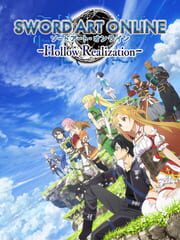
Sword Art Online -Hollow Fragment is an action and Role-playing (RPG) game developed by Aquria and published by Bandai Namco Games, released on 24 April 2014.
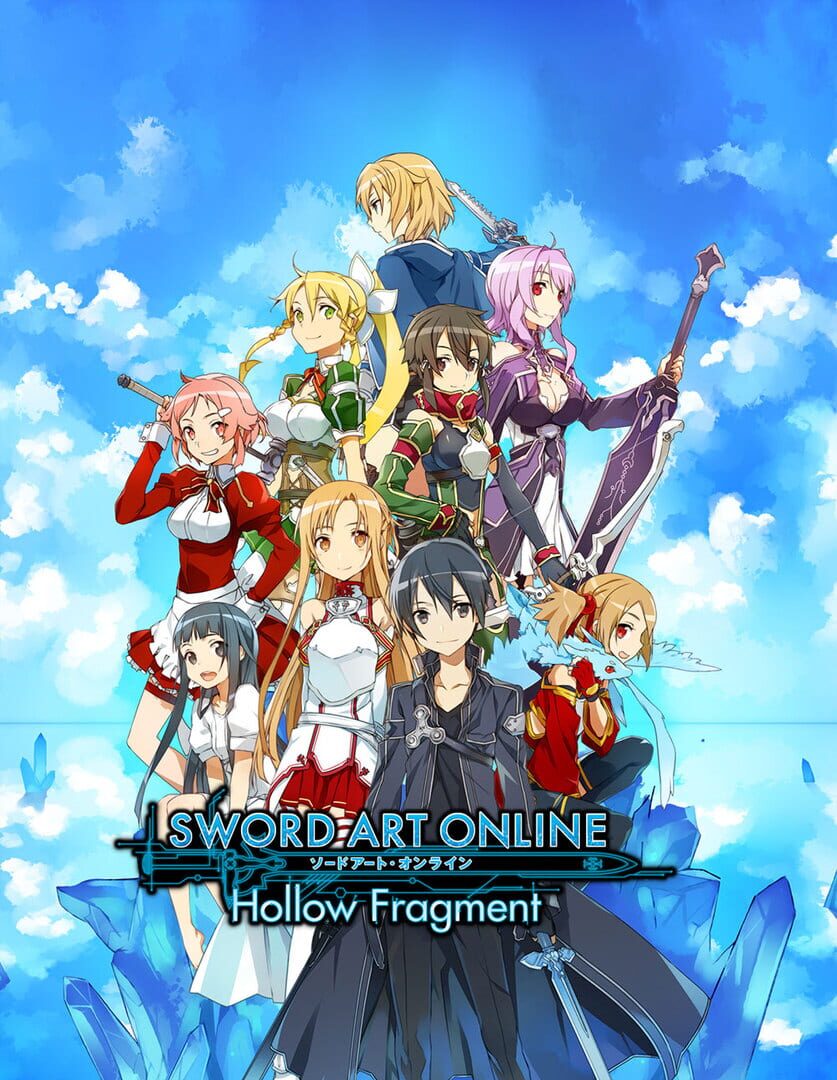
Sword Art Online: Hollow Fragment is a Japanese role-playing game based on the Sword Art Online light novel series. It is the second video game in the series. The game has over 100 recruitable characters which can be chosen to accompany the player in the game's dungeons. Gameplay combines elements of a MMORPG—albeit in a simulated fashion as it is not an online game, though it does include limited multiplayer via ad hoc for up to four players—as well as elements of a dating sim. The game takes place in the same continuity as the prior game in the series, Sword Art Online: Infinity Moment, which exists in an alternate storyline from the Sword Art Online anime storyline. The player controls the main character Kirito, who has been trapped in a MMORPG where dying in the game will lead to his death in real life as well. Part of the game is actually a high definition recompilation of Sword Art Online: Infinity Moment, the original game in the series released for the PlayStation Portable, including all content of "Floor Clearing" from the previous game with the addition of new unexplored "Hollow Area" of Aincrad.
Affiliate links: we may earn a commission.
Specs
Media
DLC & expansions
More from Sword Art Online
What platforms is Sword Art Online -Hollow Fragment available on?
Sword Art Online -Hollow Fragment is available on PS Vita.
When was Sword Art Online -Hollow Fragment released?
Sword Art Online -Hollow Fragment was released on 24 April 2014, developed by Aquria.