
Meilleurs jeux
Meilleurs jeux Strategy sur Nintendo DS
Les 18 meilleurs jeux Strategy sur Nintendo DS, classés à partir de 5,722 notes de la critique et des joueurs.
Le meilleur jeu Strategy sur Nintendo DS en ce moment est Pokémon SoulSilver Version, avec un score critique de 90/100 — mis à jour en septembre 2026.
Comment ce classement est construit
- Les jeux sont classés sur le score presse agrégé sur 100 importé d'IGDB et Metacritic, jamais sur les grades propres à Tier.
- Un jeu n'entre au classement qu'à partir de 80 notes externes : une seule critique enthousiaste ne dépassera jamais un classique confirmé.
- Les grades de la communauté, de F à S, s'affichent à côté de chaque jeu et ne sont énoncés comme un fait qu'au-delà de 5 notes Tier.
- Fenêtre de sortie couverte : de 1970 à 2026.
- 18 jeux figurent sur cette page, pour 5,722 notes au total.
- Les classements sont recalculés toutes les heures ; celui-ci a été reconstruit le 29 septembre 2026.
Top 18
01
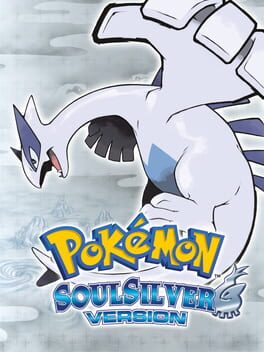 Pokémon SoulSilver Version
Pokemon HeartGold Version and Pokemon SoulSilver Version return players to the scenic Johto region first introduced in the beloved original Pokemon Gold and Pokemon Silver games nearly a decade ago. The richly detailed adventure of Pokemon Gold and Pokemon Silver is now enhanced for the Nintendo DS and Nintendo DSi systems with updated graphics and sound, as well as new touch-screen features and a host of surprises. Pokemon HeartGold Version and Pokemon SoulSilver Version bring dozens of Pokemon characters back into the limelight for a new Pokemon generation - and longtime fans - to catch, train and battle.
90
/100
02
Pokémon SoulSilver Version
Pokemon HeartGold Version and Pokemon SoulSilver Version return players to the scenic Johto region first introduced in the beloved original Pokemon Gold and Pokemon Silver games nearly a decade ago. The richly detailed adventure of Pokemon Gold and Pokemon Silver is now enhanced for the Nintendo DS and Nintendo DSi systems with updated graphics and sound, as well as new touch-screen features and a host of surprises. Pokemon HeartGold Version and Pokemon SoulSilver Version bring dozens of Pokemon characters back into the limelight for a new Pokemon generation - and longtime fans - to catch, train and battle.
90
/100
02
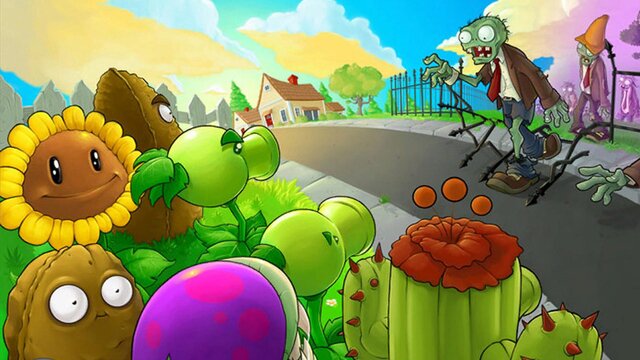 Plants vs. Zombies GOTY Edition
87
/100
03
Plants vs. Zombies GOTY Edition
87
/100
03
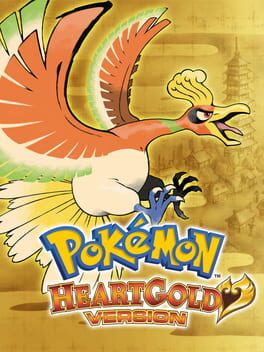 Pokémon HeartGold, SoulSilver
Pokémon HeartGold Version and Pokémon SoulSilver Version are paired Generation IV remakes of the Generation II games Pokémon Gold and Silver. Much like how Pokémon FireRed and LeafGreen revisited the Generation I story of Kanto, HeartGold and SoulSilver retell the story of Johto, with the player's starting town being New Bark Town. While the games feature several expansions in key areas, the overall plot follows the same direction as the original Gold and Silver. Some aspects exclusive to Crystal are also included. Like how FireRed and LeafGreen could link up with Ruby, Sapphire, and Emerald to complete the Pokédex by trading regionally exclusive Pokémon, HeartGold and SoulSilver can link up with Diamond, Pearl, and Platinum to obtain Pokémon unavailable in Johto and Kanto (such as the Sinnoh starters) and vice versa. Kris, despite being the female counterpart of Crystal's player character, is not included as the female player character, with a new character instead taking her place. Whether she is chosen to be the player character or not, this new character will still appear in the game. The unselected protagonist will take a pseudo-rival role similar to the unselected characters of Ruby, Sapphire, Emerald, Diamond, Pearl, and Platinum. The games were released on September 12, 2009 in Japan, February 4, 2010 in Korea, March 14, 2010 in North America, March 25, 2010 in Australia and March 26, 2010 in Europe (this excludes the Netherlands, Luxembourg and parts of Belgium due to an in-game save error, with the patched copies later released on April 2, 2010).
87
/100
Pokémon HeartGold, SoulSilver
Pokémon HeartGold Version and Pokémon SoulSilver Version are paired Generation IV remakes of the Generation II games Pokémon Gold and Silver. Much like how Pokémon FireRed and LeafGreen revisited the Generation I story of Kanto, HeartGold and SoulSilver retell the story of Johto, with the player's starting town being New Bark Town. While the games feature several expansions in key areas, the overall plot follows the same direction as the original Gold and Silver. Some aspects exclusive to Crystal are also included. Like how FireRed and LeafGreen could link up with Ruby, Sapphire, and Emerald to complete the Pokédex by trading regionally exclusive Pokémon, HeartGold and SoulSilver can link up with Diamond, Pearl, and Platinum to obtain Pokémon unavailable in Johto and Kanto (such as the Sinnoh starters) and vice versa. Kris, despite being the female counterpart of Crystal's player character, is not included as the female player character, with a new character instead taking her place. Whether she is chosen to be the player character or not, this new character will still appear in the game. The unselected protagonist will take a pseudo-rival role similar to the unselected characters of Ruby, Sapphire, Emerald, Diamond, Pearl, and Platinum. The games were released on September 12, 2009 in Japan, February 4, 2010 in Korea, March 14, 2010 in North America, March 25, 2010 in Australia and March 26, 2010 in Europe (this excludes the Netherlands, Luxembourg and parts of Belgium due to an in-game save error, with the patched copies later released on April 2, 2010).
87
/100
Pokémon SoulSilver Version
Pokemon HeartGold Version and Pokemon SoulSilver Version return players to the scenic Johto region first introduced in the beloved original Pokemon Gold and Pokemon Silver games nearly a decade ago. The richly detailed adventure of Pokemon Gold and Pokemon Silver is now enhanced for the Nintendo DS and Nintendo DSi systems with updated graphics and sound, as well as new touch-screen features and a host of surprises. Pokemon HeartGold Version and Pokemon SoulSilver Version bring dozens of Pokemon characters back into the limelight for a new Pokemon generation - and longtime fans - to catch, train and battle.
90
/100
02
Plants vs. Zombies GOTY Edition
87
/100
03
Pokémon HeartGold, SoulSilver
Pokémon HeartGold Version and Pokémon SoulSilver Version are paired Generation IV remakes of the Generation II games Pokémon Gold and Silver. Much like how Pokémon FireRed and LeafGreen revisited the Generation I story of Kanto, HeartGold and SoulSilver retell the story of Johto, with the player's starting town being New Bark Town. While the games feature several expansions in key areas, the overall plot follows the same direction as the original Gold and Silver. Some aspects exclusive to Crystal are also included. Like how FireRed and LeafGreen could link up with Ruby, Sapphire, and Emerald to complete the Pokédex by trading regionally exclusive Pokémon, HeartGold and SoulSilver can link up with Diamond, Pearl, and Platinum to obtain Pokémon unavailable in Johto and Kanto (such as the Sinnoh starters) and vice versa. Kris, despite being the female counterpart of Crystal's player character, is not included as the female player character, with a new character instead taking her place. Whether she is chosen to be the player character or not, this new character will still appear in the game. The unselected protagonist will take a pseudo-rival role similar to the unselected characters of Ruby, Sapphire, Emerald, Diamond, Pearl, and Platinum. The games were released on September 12, 2009 in Japan, February 4, 2010 in Korea, March 14, 2010 in North America, March 25, 2010 in Australia and March 26, 2010 in Europe (this excludes the Netherlands, Luxembourg and parts of Belgium due to an in-game save error, with the patched copies later released on April 2, 2010).
87
/100
04
 Pokémon Black, White
Pokémon Black Version and Pokémon White Version are the primary paired versions of Generation V. Black and White follow the trends set up by previous games in the series. Two player characters (one male and one female) travel a new region, Unova, on their Pokémon journeys. This region is inhabited by various Pokémon, and unlike before, none of those available prior to Generation V can be obtained before completing the main story by defeating Team Plasma. The games' names were revealed on the official Japanese Pokémon website on April 9, 2010, and scans from the subsequent issue of the magazine leaked the following day, April 10. Pokémon Black and White are followed in 2012 by two sequels, Pokémon Black 2 and White 2, which are set two years after the events of Black and White. Black 2 and White 2 are the second and final paired versions of Generation V.
87
/100
05
Pokémon Black, White
Pokémon Black Version and Pokémon White Version are the primary paired versions of Generation V. Black and White follow the trends set up by previous games in the series. Two player characters (one male and one female) travel a new region, Unova, on their Pokémon journeys. This region is inhabited by various Pokémon, and unlike before, none of those available prior to Generation V can be obtained before completing the main story by defeating Team Plasma. The games' names were revealed on the official Japanese Pokémon website on April 9, 2010, and scans from the subsequent issue of the magazine leaked the following day, April 10. Pokémon Black and White are followed in 2012 by two sequels, Pokémon Black 2 and White 2, which are set two years after the events of Black and White. Black 2 and White 2 are the second and final paired versions of Generation V.
87
/100
05
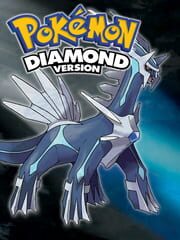 Pokémon Diamond Version
 and Pearl Version are role-playing games (RPGs) developed by Game Freak and published by Nintendo for the Nintendo DS. With the enhanced remake Pokémon Platinum, the games comprise the fifth installment and fourth generation of the Pokémon series of RPGs. First released in Japan on September 28, 2006, the games were later released to North America, Australia, and Europe over the course of 2007. Like previous Pokémon games, Diamond and Pearl chronicle the adventures of a young Pokémon trainer as he/she trains and battles Pokémon while also thwarting the schemes of a criminal organization. The games add many new features, such as Internet play over the Nintendo Wi-Fi Connection and changes to battle mechanics and Pokémon Contests, along with addition of 107 new Pokémon. The games are independent of each other but feature largely the same plot and while both can be played separately, it is necessary to trade between them in order to complete the games' Pokédexes.
83
/100
06
Pokémon Diamond Version
Pokémon Diamond Version and Pearl Version are role-playing games (RPGs) developed by Game Freak and published by Nintendo for the Nintendo DS. With the enhanced remake Pokémon Platinum, the games comprise the fifth installment and fourth generation of the Pokémon series of RPGs. First released in Japan on September 28, 2006, the games were later released to North America, Australia, and Europe over the course of 2007. Like previous Pokémon games, Diamond and Pearl chronicle the adventures of a young Pokémon trainer as he/she trains and battles Pokémon while also thwarting the schemes of a criminal organization. The games add many new features, such as Internet play over the Nintendo Wi-Fi Connection and changes to battle mechanics and Pokémon Contests, along with addition of 107 new Pokémon. The games are independent of each other but feature largely the same plot and while both can be played separately, it is necessary to trade between them in order to complete the games' Pokédexes.
83
/100
06
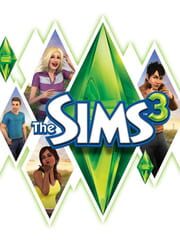 The Sims 3
In The Sims 3, you can create Sims with unique personalities, fulfill their desires, and control their lives within a customizable living neighborhood. Unlock all-new Karma Powers and unleash them on your Sims: help your Sim get lucky with the power of "love connector", bless them with the power of "age defiler" or "instant beauty" or curse them with an "instant enemy". Use these powers wisely, because they may have unexpected results! As you guide your Sims through life, you can complete challenges to unlock additional items, new buildings and landmarks.
83
/100
07
The Sims 3
In The Sims 3, you can create Sims with unique personalities, fulfill their desires, and control their lives within a customizable living neighborhood. Unlock all-new Karma Powers and unleash them on your Sims: help your Sim get lucky with the power of "love connector", bless them with the power of "age defiler" or "instant beauty" or curse them with an "instant enemy". Use these powers wisely, because they may have unexpected results! As you guide your Sims through life, you can complete challenges to unlock additional items, new buildings and landmarks.
83
/100
07
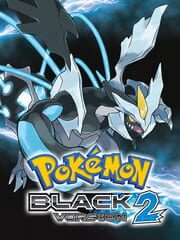 Pokémon Black Version 2
 and Pokémon White Version 2 are the second and final paired versions of Generation V and are the sequels of Pokémon Black and White, respectively. Both games were revealed on Pokémon Smash! by Junichi Masuda, and subsequently the official Japanese and international Pokémon websites, on February 26, 2012. They were released in Japan on June 23, 2012, in North America on October 7, 2012, in Australia on October 11, 2012, in Europe on October 12, 2012 and in South Korea on November 8, 2012. The games feature two new forms of Kyurem that serve as the game mascots of the games: Black Kyurem for Black 2 and White Kyurem for White 2.
82
/100
08
Pokémon Black Version 2
Pokémon Black Version 2 and Pokémon White Version 2 are the second and final paired versions of Generation V and are the sequels of Pokémon Black and White, respectively. Both games were revealed on Pokémon Smash! by Junichi Masuda, and subsequently the official Japanese and international Pokémon websites, on February 26, 2012. They were released in Japan on June 23, 2012, in North America on October 7, 2012, in Australia on October 11, 2012, in Europe on October 12, 2012 and in South Korea on November 8, 2012. The games feature two new forms of Kyurem that serve as the game mascots of the games: Black Kyurem for Black 2 and White Kyurem for White 2.
82
/100
08
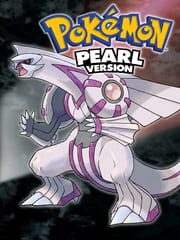 Pokémon Pearl Version
 and Diamond Version are role-playing games (RPGs) developed by Game Freak and published by Nintendo for the Nintendo DS. With the enhanced remake Pokémon Platinum, the games comprise the fifth installment and fourth generation of the Pokémon series of RPGs. First released in Japan on September 28, 2006, the games were later released to North America, Australia, and Europe over the course of 2007. Like previous Pokémon games, Diamond and Pearl chronicle the adventures of a young Pokémon trainer as he/she trains and battles Pokémon while also thwarting the schemes of a criminal organization. The games add many new features, such as Internet play over the Nintendo Wi-Fi Connection and changes to battle mechanics and Pokémon Contests, along with addition of 107 new Pokémon. The games are independent of each other but feature largely the same plot and while both can be played separately, it is necessary to trade between them in order to complete the games' Pokédexes.
82
/100
09
Pokémon Pearl Version
Pokémon Pearl Version and Diamond Version are role-playing games (RPGs) developed by Game Freak and published by Nintendo for the Nintendo DS. With the enhanced remake Pokémon Platinum, the games comprise the fifth installment and fourth generation of the Pokémon series of RPGs. First released in Japan on September 28, 2006, the games were later released to North America, Australia, and Europe over the course of 2007. Like previous Pokémon games, Diamond and Pearl chronicle the adventures of a young Pokémon trainer as he/she trains and battles Pokémon while also thwarting the schemes of a criminal organization. The games add many new features, such as Internet play over the Nintendo Wi-Fi Connection and changes to battle mechanics and Pokémon Contests, along with addition of 107 new Pokémon. The games are independent of each other but feature largely the same plot and while both can be played separately, it is necessary to trade between them in order to complete the games' Pokédexes.
82
/100
09
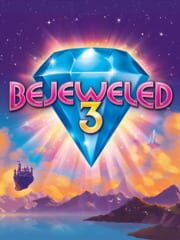 Bejeweled 3
Discover all-new ways to play the world’s #1 puzzle game. Find your perfect match with 8 breathtaking game modes that meet all your moods — ease into Classic Bejeweled for cascades of fun, journey through 40 challenging Quest puzzles, charge into the electrifying Lightning for non-stop action, and tailor your experience in Zen for a revolutionary new way to relax.
82
/100
10
Bejeweled 3
Discover all-new ways to play the world’s #1 puzzle game. Find your perfect match with 8 breathtaking game modes that meet all your moods — ease into Classic Bejeweled for cascades of fun, journey through 40 challenging Quest puzzles, charge into the electrifying Lightning for non-stop action, and tailor your experience in Zen for a revolutionary new way to relax.
82
/100
10
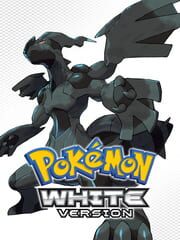 Pokémon White Version
 and Pokémon Black Version are the primary paired versions of Generation V. Black and White follow the trends set up by previous games in the series. Two player characters (one male and one female) travel a new region, Unova, on their Pokémon journeys. This region is inhabited by various Pokémon, and unlike before, none of those available prior to Generation V can be obtained before completing the main story by defeating Team Plasma. The games' names were revealed on the official Japanese Pokémon website on April 9, 2010, and scans from the subsequent issue of the magazine leaked the following day, April 10. Pokémon Black and White are followed in 2012 by two sequels, Pokémon Black 2 and White 2, which are set two years after the events of Black and White. Black 2 and White 2 are the second and final paired versions of Generation V.
80
/100
11
Pokémon White Version
Pokémon White Version and Pokémon Black Version are the primary paired versions of Generation V. Black and White follow the trends set up by previous games in the series. Two player characters (one male and one female) travel a new region, Unova, on their Pokémon journeys. This region is inhabited by various Pokémon, and unlike before, none of those available prior to Generation V can be obtained before completing the main story by defeating Team Plasma. The games' names were revealed on the official Japanese Pokémon website on April 9, 2010, and scans from the subsequent issue of the magazine leaked the following day, April 10. Pokémon Black and White are followed in 2012 by two sequels, Pokémon Black 2 and White 2, which are set two years after the events of Black and White. Black 2 and White 2 are the second and final paired versions of Generation V.
80
/100
11
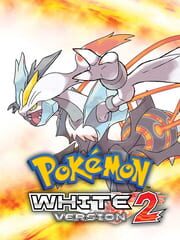 Pokémon Black 2, White 2
80
/100
12
Pokémon Black 2, White 2
80
/100
12
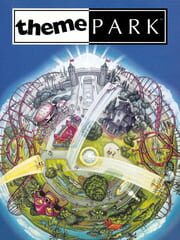 Theme Park
79
/100
13
Theme Park
79
/100
13
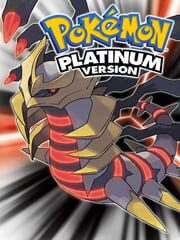 Pokémon Platinum Version
79
/100
14
Pokémon Platinum Version
79
/100
14
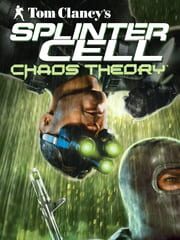 Tom Clancy's Splinter Cell: Chaos Theory
78
/100
15
Tom Clancy's Splinter Cell: Chaos Theory
78
/100
15
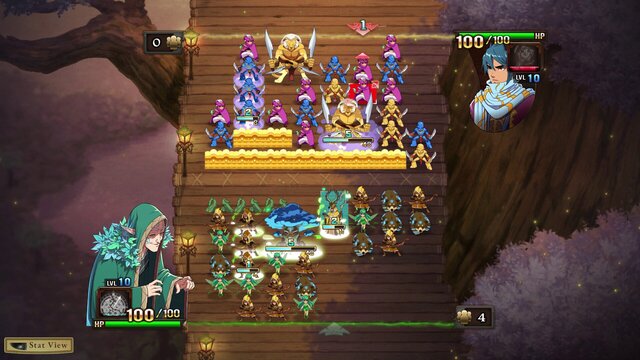 Might and Magic Clash of Heroes
76
/100
16
Might and Magic Clash of Heroes
76
/100
16
 Plants vs. Zombies
71
/100
17
Plants vs. Zombies
71
/100
17
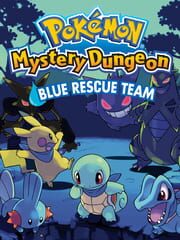 Pokémon Mystery Dungeon: Blue Rescue Team
65
/100
18
Pokémon Mystery Dungeon: Blue Rescue Team
65
/100
18
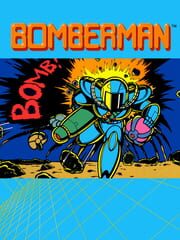 Bomberman (2005)
58
/100
Bomberman (2005)
58
/100
Pokémon Black, White
Pokémon Black Version and Pokémon White Version are the primary paired versions of Generation V. Black and White follow the trends set up by previous games in the series. Two player characters (one male and one female) travel a new region, Unova, on their Pokémon journeys. This region is inhabited by various Pokémon, and unlike before, none of those available prior to Generation V can be obtained before completing the main story by defeating Team Plasma. The games' names were revealed on the official Japanese Pokémon website on April 9, 2010, and scans from the subsequent issue of the magazine leaked the following day, April 10. Pokémon Black and White are followed in 2012 by two sequels, Pokémon Black 2 and White 2, which are set two years after the events of Black and White. Black 2 and White 2 are the second and final paired versions of Generation V.
87
/100
05
Pokémon Diamond Version
Pokémon Diamond Version and Pearl Version are role-playing games (RPGs) developed by Game Freak and published by Nintendo for the Nintendo DS. With the enhanced remake Pokémon Platinum, the games comprise the fifth installment and fourth generation of the Pokémon series of RPGs. First released in Japan on September 28, 2006, the games were later released to North America, Australia, and Europe over the course of 2007. Like previous Pokémon games, Diamond and Pearl chronicle the adventures of a young Pokémon trainer as he/she trains and battles Pokémon while also thwarting the schemes of a criminal organization. The games add many new features, such as Internet play over the Nintendo Wi-Fi Connection and changes to battle mechanics and Pokémon Contests, along with addition of 107 new Pokémon. The games are independent of each other but feature largely the same plot and while both can be played separately, it is necessary to trade between them in order to complete the games' Pokédexes.
83
/100
06
The Sims 3
In The Sims 3, you can create Sims with unique personalities, fulfill their desires, and control their lives within a customizable living neighborhood. Unlock all-new Karma Powers and unleash them on your Sims: help your Sim get lucky with the power of "love connector", bless them with the power of "age defiler" or "instant beauty" or curse them with an "instant enemy". Use these powers wisely, because they may have unexpected results! As you guide your Sims through life, you can complete challenges to unlock additional items, new buildings and landmarks.
83
/100
07
Pokémon Black Version 2
Pokémon Black Version 2 and Pokémon White Version 2 are the second and final paired versions of Generation V and are the sequels of Pokémon Black and White, respectively. Both games were revealed on Pokémon Smash! by Junichi Masuda, and subsequently the official Japanese and international Pokémon websites, on February 26, 2012. They were released in Japan on June 23, 2012, in North America on October 7, 2012, in Australia on October 11, 2012, in Europe on October 12, 2012 and in South Korea on November 8, 2012. The games feature two new forms of Kyurem that serve as the game mascots of the games: Black Kyurem for Black 2 and White Kyurem for White 2.
82
/100
08
Pokémon Pearl Version
Pokémon Pearl Version and Diamond Version are role-playing games (RPGs) developed by Game Freak and published by Nintendo for the Nintendo DS. With the enhanced remake Pokémon Platinum, the games comprise the fifth installment and fourth generation of the Pokémon series of RPGs. First released in Japan on September 28, 2006, the games were later released to North America, Australia, and Europe over the course of 2007. Like previous Pokémon games, Diamond and Pearl chronicle the adventures of a young Pokémon trainer as he/she trains and battles Pokémon while also thwarting the schemes of a criminal organization. The games add many new features, such as Internet play over the Nintendo Wi-Fi Connection and changes to battle mechanics and Pokémon Contests, along with addition of 107 new Pokémon. The games are independent of each other but feature largely the same plot and while both can be played separately, it is necessary to trade between them in order to complete the games' Pokédexes.
82
/100
09
Bejeweled 3
Discover all-new ways to play the world’s #1 puzzle game. Find your perfect match with 8 breathtaking game modes that meet all your moods — ease into Classic Bejeweled for cascades of fun, journey through 40 challenging Quest puzzles, charge into the electrifying Lightning for non-stop action, and tailor your experience in Zen for a revolutionary new way to relax.
82
/100
10
Pokémon White Version
Pokémon White Version and Pokémon Black Version are the primary paired versions of Generation V. Black and White follow the trends set up by previous games in the series. Two player characters (one male and one female) travel a new region, Unova, on their Pokémon journeys. This region is inhabited by various Pokémon, and unlike before, none of those available prior to Generation V can be obtained before completing the main story by defeating Team Plasma. The games' names were revealed on the official Japanese Pokémon website on April 9, 2010, and scans from the subsequent issue of the magazine leaked the following day, April 10. Pokémon Black and White are followed in 2012 by two sequels, Pokémon Black 2 and White 2, which are set two years after the events of Black and White. Black 2 and White 2 are the second and final paired versions of Generation V.
80
/100
11
Pokémon Black 2, White 2
80
/100
12
Theme Park
79
/100
13
Pokémon Platinum Version
79
/100
14
Tom Clancy's Splinter Cell: Chaos Theory
78
/100
15
Might and Magic Clash of Heroes
76
/100
16
Plants vs. Zombies
71
/100
17
Pokémon Mystery Dungeon: Blue Rescue Team
65
/100
18
Bomberman (2005)
58
/100
Frequently asked questions
Quel est le meilleur jeu Strategy sur Nintendo DS ?
Pokémon SoulSilver Version domine actuellement le classement avec un score de 90/100 sur 387 notes. Classement mis à jour en septembre 2026.
Comment ce classement est-il construit ?
Les jeux sont classés sur leur score critique agrégé sur 100, avec un seuil minimum de votes pour qu'une seule critique dithyrambique ne passe jamais devant un classique confirmé ; les grades F à S de la communauté Tier sont affichés à côté de chaque jeu.