
Meilleurs jeux
Meilleurs jeux Fighting sur GameCube
Les 9 meilleurs jeux Fighting sur GameCube, classés à partir de 1,831 notes de la critique et des joueurs.
Le meilleur jeu Fighting sur GameCube en ce moment est Super Smash Bros. Melee, avec un score critique de 100/100 — mis à jour en septembre 2026.
Comment ce classement est construit
- Les jeux sont classés sur le score presse agrégé sur 100 importé d'IGDB et Metacritic, jamais sur les grades propres à Tier.
- Un jeu n'entre au classement qu'à partir de 30 notes externes : une seule critique enthousiaste ne dépassera jamais un classique confirmé.
- Chaque jeu n'est classé que dans un seul genre, celui qui le définit le mieux : un même titre ne peut donc jamais dominer deux classements de genres différents.
- Les grades de la communauté, de F à S, s'affichent à côté de chaque jeu et ne sont énoncés comme un fait qu'au-delà de 5 notes Tier.
- Fenêtre de sortie couverte : de 1970 à 2026.
- 9 jeux figurent sur cette page, pour 1,831 notes au total.
- Les classements sont recalculés toutes les heures ; celui-ci a été reconstruit le 29 septembre 2026.
Top 9
01
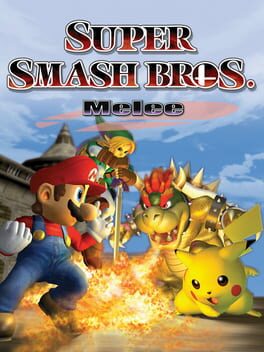 Super Smash Bros. Melee
 is the second installment in the Super Smash Bros. series and the follow-up to the Nintendo 64 title. It includes all playable characters from the first game, and also adds characters from franchises such as Fire Emblem, of which no games had been released outside Japan at the time. Super Smash Bros. Melee builds on the first game by adding new gameplay features and playable characters: it's major focus is the multiplayer mode, while still offering a number of single-player modes.
100
/100
02
Super Smash Bros. Melee
Super Smash Bros. Melee is the second installment in the Super Smash Bros. series and the follow-up to the Nintendo 64 title. It includes all playable characters from the first game, and also adds characters from franchises such as Fire Emblem, of which no games had been released outside Japan at the time. Super Smash Bros. Melee builds on the first game by adding new gameplay features and playable characters: it's major focus is the multiplayer mode, while still offering a number of single-player modes.
100
/100
02
 SoulCalibur II
 is the third installment in the Soul series and continues the tradition of his predecessors with improved graphics, new characters and new levels. A majority of the action takes place in Weapon Master mode where you have to choose a character and travel a set map to fight the many other warriors through different levels and challenges. Console ports were released, including guest characters from other franchises. The Arcade version has a unique mode called "Conquest Mode". This mode, which uses a name and password system to save data, allows the player to select one army among four. The player then fights against enemies in a series of eight 1-round battles, win or lose (the first seven are based on the player's rank, and the eighth is chosen by the player – this can only be interrupted by a Versus challenger.) After each round, the player earns EXP and can be promoted, and the game also rates the player in four categories: Soul, Power, Wisdom and Skill. The game also keeps track of which moves the player knows and uses most often. After the eight battles, territory control is updated and the player has the option to fight a bonus round against their character played by the AI.
95
/100
03
SoulCalibur II
SoulCalibur II is the third installment in the Soul series and continues the tradition of his predecessors with improved graphics, new characters and new levels. A majority of the action takes place in Weapon Master mode where you have to choose a character and travel a set map to fight the many other warriors through different levels and challenges. Console ports were released, including guest characters from other franchises. The Arcade version has a unique mode called "Conquest Mode". This mode, which uses a name and password system to save data, allows the player to select one army among four. The player then fights against enemies in a series of eight 1-round battles, win or lose (the first seven are based on the player's rank, and the eighth is chosen by the player – this can only be interrupted by a Versus challenger.) After each round, the player earns EXP and can be promoted, and the game also rates the player in four categories: Soul, Power, Wisdom and Skill. The game also keeps track of which moves the player knows and uses most often. After the eight battles, territory control is updated and the player has the option to fight a bonus round against their character played by the AI.
95
/100
03
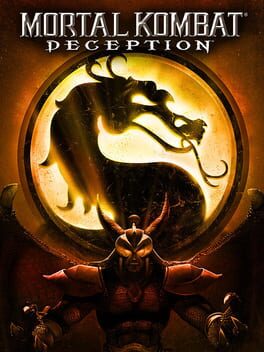 Mortal Kombat: Deception
 is the sixth installment in the Mortal Kombat franchise. Based on the Mortal Kombat: Deadly Alliance engine, players once again have to fight to stop this new threat in the sixth installment of the fighting series. The standard Arcade, Versus, and Practice modes return, as well as new items to be found in the Krypt. In addition, there are new Konquest Adventure, Chess Kombat, and Puzzle Kombat modes to give the player new mini-games. The Playstation 2 and Xbox versions offer online, competitive play against other players. The Gamecube version does not include online play, but offers Goro and Shao Kahn as exclusive playable characters.
81
/100
Mortal Kombat: Deception
Mortal Kombat: Deception is the sixth installment in the Mortal Kombat franchise. Based on the Mortal Kombat: Deadly Alliance engine, players once again have to fight to stop this new threat in the sixth installment of the fighting series. The standard Arcade, Versus, and Practice modes return, as well as new items to be found in the Krypt. In addition, there are new Konquest Adventure, Chess Kombat, and Puzzle Kombat modes to give the player new mini-games. The Playstation 2 and Xbox versions offer online, competitive play against other players. The Gamecube version does not include online play, but offers Goro and Shao Kahn as exclusive playable characters.
81
/100
Super Smash Bros. Melee
Super Smash Bros. Melee is the second installment in the Super Smash Bros. series and the follow-up to the Nintendo 64 title. It includes all playable characters from the first game, and also adds characters from franchises such as Fire Emblem, of which no games had been released outside Japan at the time. Super Smash Bros. Melee builds on the first game by adding new gameplay features and playable characters: it's major focus is the multiplayer mode, while still offering a number of single-player modes.
100
/100
02
SoulCalibur II
SoulCalibur II is the third installment in the Soul series and continues the tradition of his predecessors with improved graphics, new characters and new levels. A majority of the action takes place in Weapon Master mode where you have to choose a character and travel a set map to fight the many other warriors through different levels and challenges. Console ports were released, including guest characters from other franchises. The Arcade version has a unique mode called "Conquest Mode". This mode, which uses a name and password system to save data, allows the player to select one army among four. The player then fights against enemies in a series of eight 1-round battles, win or lose (the first seven are based on the player's rank, and the eighth is chosen by the player – this can only be interrupted by a Versus challenger.) After each round, the player earns EXP and can be promoted, and the game also rates the player in four categories: Soul, Power, Wisdom and Skill. The game also keeps track of which moves the player knows and uses most often. After the eight battles, territory control is updated and the player has the option to fight a bonus round against their character played by the AI.
95
/100
03
Mortal Kombat: Deception
Mortal Kombat: Deception is the sixth installment in the Mortal Kombat franchise. Based on the Mortal Kombat: Deadly Alliance engine, players once again have to fight to stop this new threat in the sixth installment of the fighting series. The standard Arcade, Versus, and Practice modes return, as well as new items to be found in the Krypt. In addition, there are new Konquest Adventure, Chess Kombat, and Puzzle Kombat modes to give the player new mini-games. The Playstation 2 and Xbox versions offer online, competitive play against other players. The Gamecube version does not include online play, but offers Goro and Shao Kahn as exclusive playable characters.
81
/100
04
 Mortal Kombat: Deadly Alliance
 is the first Mortal Kombat outing on the next-gen systems. New to DA is a completely revamped fight engine. The graphics are in full 3D and feature somewhat interactive environments. Each character now has different fighting stances, allowing them to be in an offensive stance or a fatality stance. Returning from past games are all your favorite fighters, and a host of new ones. Johnny Cage, Scorpion, Sub-Zero, Raiden, joined by such newcomers as Molloch and Quan Chi. Each character has their own specific fatalities.
79
/100
05
Mortal Kombat: Deadly Alliance
Mortal Kombat: Deadly Alliance is the first Mortal Kombat outing on the next-gen systems. New to DA is a completely revamped fight engine. The graphics are in full 3D and feature somewhat interactive environments. Each character now has different fighting stances, allowing them to be in an offensive stance or a fatality stance. Returning from past games are all your favorite fighters, and a host of new ones. Johnny Cage, Scorpion, Sub-Zero, Raiden, joined by such newcomers as Molloch and Quan Chi. Each character has their own specific fatalities.
79
/100
05
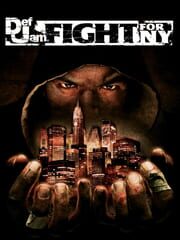 Def Jam: Fight for NY
The ultimate hip-hop fueled fighting game, Def Jam Fight For NY challenges players to step into the shoes of a ruthless street fighter battling for control of the hip-hop underground. The game features an all-new fighting engine including weapons, interactive environments and five unique fighting styles that can be combined to form dozens of customized hybrid styles for the ultimate edge on the streets. Def Jam Fight For NY features more than 40 of the most well-known artists and personalities in hip-hop today, including Busta Rhymes, Carmen Electra, Lil' Kim, Ludacris, Method Man, Redman, Sean Paul, Slick Rick, Snoop Dogg, and many more. * New Fighting Engine -- A new fighting engine challenges you to master multiple fighting disciplines, take advantage of interactive environments, and utilize dozens of weapons to make a name for yourself. * Three Times the Length of the Original Def Jam VENDETTA -- It's going to take more than 90 fights in 20-plus venues to win control of the streets. * 40 of the Biggest Hip Hop Artists and Celebrites -- Starring and music by the hottest names in hip hop from Def Jam and beyond -- look for appearances by Busta Rhymes, Carmen Electra, Fat Joe, Flava Flav, Freeway, Ghostface, Ice T, Joe Budden, Kimora Lee Simmons, Lil' Kim, Ludacris, Method Man, Redman, Sean Paul, Slick Rick, Snoop Dogg, Xzibit, and many more. * Five Brutal Fighting Styles -- Master each fighting style: street fighting, kickboxing, martial arts, wrestling, and submission fighting. Combine up to three styles to create devastating hybrid-styles, complete with new "blazin' moves" to finish off your opponent. * 22 Interactive Venues -- From destructible environmental objects to rowdy spectators who like to "get involved," the 22 venues are the ultimate weapon. * Create-A-Street Fighter -- Build your own street-ready fighter and outfit him with thousands of pieces of unlockable licensed gear, tattoos, and even bling from the Jeweler to the stars, Jacob the Jeweler. * Represent Your Crew Online -- Join a crew and own the mean streets of NYC. Move onto the international stage and take on all-comers with online play for the PlayStation 2.
72
/100
06
Def Jam: Fight for NY
The ultimate hip-hop fueled fighting game, Def Jam Fight For NY challenges players to step into the shoes of a ruthless street fighter battling for control of the hip-hop underground. The game features an all-new fighting engine including weapons, interactive environments and five unique fighting styles that can be combined to form dozens of customized hybrid styles for the ultimate edge on the streets. Def Jam Fight For NY features more than 40 of the most well-known artists and personalities in hip-hop today, including Busta Rhymes, Carmen Electra, Lil' Kim, Ludacris, Method Man, Redman, Sean Paul, Slick Rick, Snoop Dogg, and many more. * New Fighting Engine -- A new fighting engine challenges you to master multiple fighting disciplines, take advantage of interactive environments, and utilize dozens of weapons to make a name for yourself. * Three Times the Length of the Original Def Jam VENDETTA -- It's going to take more than 90 fights in 20-plus venues to win control of the streets. * 40 of the Biggest Hip Hop Artists and Celebrites -- Starring and music by the hottest names in hip hop from Def Jam and beyond -- look for appearances by Busta Rhymes, Carmen Electra, Fat Joe, Flava Flav, Freeway, Ghostface, Ice T, Joe Budden, Kimora Lee Simmons, Lil' Kim, Ludacris, Method Man, Redman, Sean Paul, Slick Rick, Snoop Dogg, Xzibit, and many more. * Five Brutal Fighting Styles -- Master each fighting style: street fighting, kickboxing, martial arts, wrestling, and submission fighting. Combine up to three styles to create devastating hybrid-styles, complete with new "blazin' moves" to finish off your opponent. * 22 Interactive Venues -- From destructible environmental objects to rowdy spectators who like to "get involved," the 22 venues are the ultimate weapon. * Create-A-Street Fighter -- Build your own street-ready fighter and outfit him with thousands of pieces of unlockable licensed gear, tattoos, and even bling from the Jeweler to the stars, Jacob the Jeweler. * Represent Your Crew Online -- Join a crew and own the mean streets of NYC. Move onto the international stage and take on all-comers with online play for the PlayStation 2.
72
/100
06
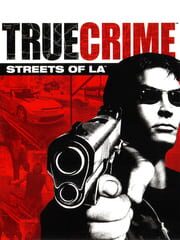 True Crime: Streets of LA
 is a free-roaming driving and action game similar in concept to Grand Theft Auto III. The game's structure is mission-based; most of the missions are dictated by the story and initiate following a cutscene that advances it. Failing a mission still allows the player to continue playing through the chapter and undertake subsequent missions; in some cases this will lead to branching paths and optional missions. However, in order to complete the whole chapter the player must eventually succeed in all the main missions.
72
/100
07
True Crime: Streets of LA
True Crime: Streets of LA is a free-roaming driving and action game similar in concept to Grand Theft Auto III. The game's structure is mission-based; most of the missions are dictated by the story and initiate following a cutscene that advances it. Failing a mission still allows the player to continue playing through the chapter and undertake subsequent missions; in some cases this will lead to branching paths and optional missions. However, in order to complete the whole chapter the player must eventually succeed in all the main missions.
72
/100
07
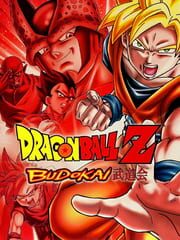 Dragon Ball Z: Budokai
Join us on a wild ride through the best action cartoon series on TV, Dragonball Z. The story begins after Goku defeats Piccolo at the World Marital Arts Tournament and he comes to visit Master Roshi, when all of a sudden, his brother Raditz appears and kidnaps his son, Gohan, after he saves him he is sent to Other World to train with King Kai for for two more powerful Saiyan arriving one year later. This wild ride story takes you from the Saiyan to the Cell Games Saga. There are also several options in the game: there is a world tournament mode where you could buy new moves and a practice mode where you can sharpen your skills before entering story mode. You could also summon Shenron when you collect all 7 Dragonballs. So, buckle up, hold on to your seat and enjoy the ride of Dragonball Z!
67
/100
08
Dragon Ball Z: Budokai
Join us on a wild ride through the best action cartoon series on TV, Dragonball Z. The story begins after Goku defeats Piccolo at the World Marital Arts Tournament and he comes to visit Master Roshi, when all of a sudden, his brother Raditz appears and kidnaps his son, Gohan, after he saves him he is sent to Other World to train with King Kai for for two more powerful Saiyan arriving one year later. This wild ride story takes you from the Saiyan to the Cell Games Saga. There are also several options in the game: there is a world tournament mode where you could buy new moves and a practice mode where you can sharpen your skills before entering story mode. You could also summon Shenron when you collect all 7 Dragonballs. So, buckle up, hold on to your seat and enjoy the ride of Dragonball Z!
67
/100
08
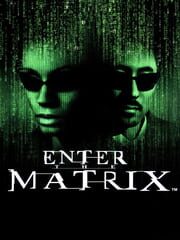 Enter the Matrix
 is the first video game based on The Matrix series of films. Its story was concurrent with that of The Matrix Reloaded, and featured over an hour of original footage, directed by The Wachowskis and starring the cast of the film trilogy, produced exclusively for the game. It sold one million copies in its first eighteen days of release, 2.5 million over the first six weeks, and ultimately 5 million copies. First released in May 2003, the same month as The Matrix Reloaded, Enter the Matrix was simultaneously produced with The Matrix Reloaded and The Matrix Revolutions. It was developed by Shiny Entertainment, published by Atari and distributed by Warner Bros. Interactive Entertainment for the GameCube, Microsoft Windows, PlayStation 2 and Xbox.
60
/100
09
Enter the Matrix
Enter the Matrix is the first video game based on The Matrix series of films. Its story was concurrent with that of The Matrix Reloaded, and featured over an hour of original footage, directed by The Wachowskis and starring the cast of the film trilogy, produced exclusively for the game. It sold one million copies in its first eighteen days of release, 2.5 million over the first six weeks, and ultimately 5 million copies. First released in May 2003, the same month as The Matrix Reloaded, Enter the Matrix was simultaneously produced with The Matrix Reloaded and The Matrix Revolutions. It was developed by Shiny Entertainment, published by Atari and distributed by Warner Bros. Interactive Entertainment for the GameCube, Microsoft Windows, PlayStation 2 and Xbox.
60
/100
09
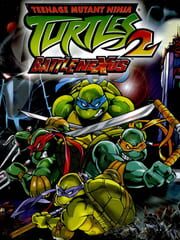 Teenage Mutant Ninja Turtles 2: Battle Nexus
The sequel to 2003's updated beat 'em up, Teenage Mutant Ninja Turtles 2: Battle Nexus sets the turtle quartet on another adventure from the series' second season, this time allowing the entire team to work together via a 4-player multiplayer mode. Each turtle now has their own unique ability and special fighting moves that fit in with their personality: such as operating switches and computers, or moving or destroying stationary objects. In single-player mode, players can switch turtles on the fly in order to accomplish the various tasks. Throughout some levels, the turtles also have racing sections over various terrains. As players progress through the game, they can find secret items, abilities, and power-ups, including the original late 1980's Teenage Mutant Ninja Turtles arcade game.
49
/100
Teenage Mutant Ninja Turtles 2: Battle Nexus
The sequel to 2003's updated beat 'em up, Teenage Mutant Ninja Turtles 2: Battle Nexus sets the turtle quartet on another adventure from the series' second season, this time allowing the entire team to work together via a 4-player multiplayer mode. Each turtle now has their own unique ability and special fighting moves that fit in with their personality: such as operating switches and computers, or moving or destroying stationary objects. In single-player mode, players can switch turtles on the fly in order to accomplish the various tasks. Throughout some levels, the turtles also have racing sections over various terrains. As players progress through the game, they can find secret items, abilities, and power-ups, including the original late 1980's Teenage Mutant Ninja Turtles arcade game.
49
/100
Mortal Kombat: Deadly Alliance
Mortal Kombat: Deadly Alliance is the first Mortal Kombat outing on the next-gen systems. New to DA is a completely revamped fight engine. The graphics are in full 3D and feature somewhat interactive environments. Each character now has different fighting stances, allowing them to be in an offensive stance or a fatality stance. Returning from past games are all your favorite fighters, and a host of new ones. Johnny Cage, Scorpion, Sub-Zero, Raiden, joined by such newcomers as Molloch and Quan Chi. Each character has their own specific fatalities.
79
/100
05
Def Jam: Fight for NY
The ultimate hip-hop fueled fighting game, Def Jam Fight For NY challenges players to step into the shoes of a ruthless street fighter battling for control of the hip-hop underground. The game features an all-new fighting engine including weapons, interactive environments and five unique fighting styles that can be combined to form dozens of customized hybrid styles for the ultimate edge on the streets. Def Jam Fight For NY features more than 40 of the most well-known artists and personalities in hip-hop today, including Busta Rhymes, Carmen Electra, Lil' Kim, Ludacris, Method Man, Redman, Sean Paul, Slick Rick, Snoop Dogg, and many more. * New Fighting Engine -- A new fighting engine challenges you to master multiple fighting disciplines, take advantage of interactive environments, and utilize dozens of weapons to make a name for yourself. * Three Times the Length of the Original Def Jam VENDETTA -- It's going to take more than 90 fights in 20-plus venues to win control of the streets. * 40 of the Biggest Hip Hop Artists and Celebrites -- Starring and music by the hottest names in hip hop from Def Jam and beyond -- look for appearances by Busta Rhymes, Carmen Electra, Fat Joe, Flava Flav, Freeway, Ghostface, Ice T, Joe Budden, Kimora Lee Simmons, Lil' Kim, Ludacris, Method Man, Redman, Sean Paul, Slick Rick, Snoop Dogg, Xzibit, and many more. * Five Brutal Fighting Styles -- Master each fighting style: street fighting, kickboxing, martial arts, wrestling, and submission fighting. Combine up to three styles to create devastating hybrid-styles, complete with new "blazin' moves" to finish off your opponent. * 22 Interactive Venues -- From destructible environmental objects to rowdy spectators who like to "get involved," the 22 venues are the ultimate weapon. * Create-A-Street Fighter -- Build your own street-ready fighter and outfit him with thousands of pieces of unlockable licensed gear, tattoos, and even bling from the Jeweler to the stars, Jacob the Jeweler. * Represent Your Crew Online -- Join a crew and own the mean streets of NYC. Move onto the international stage and take on all-comers with online play for the PlayStation 2.
72
/100
06
True Crime: Streets of LA
True Crime: Streets of LA is a free-roaming driving and action game similar in concept to Grand Theft Auto III. The game's structure is mission-based; most of the missions are dictated by the story and initiate following a cutscene that advances it. Failing a mission still allows the player to continue playing through the chapter and undertake subsequent missions; in some cases this will lead to branching paths and optional missions. However, in order to complete the whole chapter the player must eventually succeed in all the main missions.
72
/100
07
Dragon Ball Z: Budokai
Join us on a wild ride through the best action cartoon series on TV, Dragonball Z. The story begins after Goku defeats Piccolo at the World Marital Arts Tournament and he comes to visit Master Roshi, when all of a sudden, his brother Raditz appears and kidnaps his son, Gohan, after he saves him he is sent to Other World to train with King Kai for for two more powerful Saiyan arriving one year later. This wild ride story takes you from the Saiyan to the Cell Games Saga. There are also several options in the game: there is a world tournament mode where you could buy new moves and a practice mode where you can sharpen your skills before entering story mode. You could also summon Shenron when you collect all 7 Dragonballs. So, buckle up, hold on to your seat and enjoy the ride of Dragonball Z!
67
/100
08
Enter the Matrix
Enter the Matrix is the first video game based on The Matrix series of films. Its story was concurrent with that of The Matrix Reloaded, and featured over an hour of original footage, directed by The Wachowskis and starring the cast of the film trilogy, produced exclusively for the game. It sold one million copies in its first eighteen days of release, 2.5 million over the first six weeks, and ultimately 5 million copies. First released in May 2003, the same month as The Matrix Reloaded, Enter the Matrix was simultaneously produced with The Matrix Reloaded and The Matrix Revolutions. It was developed by Shiny Entertainment, published by Atari and distributed by Warner Bros. Interactive Entertainment for the GameCube, Microsoft Windows, PlayStation 2 and Xbox.
60
/100
09
Teenage Mutant Ninja Turtles 2: Battle Nexus
The sequel to 2003's updated beat 'em up, Teenage Mutant Ninja Turtles 2: Battle Nexus sets the turtle quartet on another adventure from the series' second season, this time allowing the entire team to work together via a 4-player multiplayer mode. Each turtle now has their own unique ability and special fighting moves that fit in with their personality: such as operating switches and computers, or moving or destroying stationary objects. In single-player mode, players can switch turtles on the fly in order to accomplish the various tasks. Throughout some levels, the turtles also have racing sections over various terrains. As players progress through the game, they can find secret items, abilities, and power-ups, including the original late 1980's Teenage Mutant Ninja Turtles arcade game.
49
/100
Questions fréquentes
Quel est le meilleur jeu Fighting sur GameCube ?
Super Smash Bros. Melee domine actuellement le classement avec un score de 100/100 sur 1,071 notes. Classement mis à jour en septembre 2026.
Comment ce classement est-il construit ?
Les jeux sont classés sur leur score critique agrégé sur 100, avec un seuil minimum de votes pour qu'une seule critique dithyrambique ne passe jamais devant un classique confirmé ; les grades F à S de la communauté Tier sont affichés à côté de chaque jeu.