
Mejores juegos
Mejores juegos de Amiga
Los 43 mejores juegos de Amiga, ordenados a partir de 9,612 valoraciones de la crítica y de los jugadores.
El mejor juego de Amiga ahora mismo es Wasteland, con una puntuación crítica de 100/100 — actualizado en septiembre 2026.
Cómo se construye este ranking
- Los juegos se clasifican por la nota agregada de la crítica sobre 100 importada de IGDB y Metacritic, nunca por las notas propias de Tier.
- Un juego solo entra en el ranking a partir de 80 valoraciones externas, para que una única crítica entusiasta nunca supere a un clásico consolidado.
- Las notas de la comunidad, de F a S, aparecen junto a cada juego y solo se afirman como un hecho por encima de 5 valoraciones en Tier.
- Periodo de lanzamiento cubierto: de 1970 a 2026.
- 43 juegos aparecen en esta página, con 9,612 valoraciones en total.
- Los rankings se recalculan cada hora; este se reconstruyó el 29 septiembre 2026.
Top 43
01
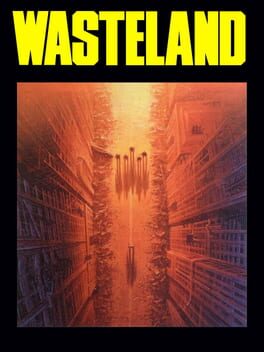 Wasteland
The game mechanics were based directly on those used in the tabletop role-playing games Tunnels and Trolls and Mercenaries, Spies and Private Eyes created by Wasteland developers Ken St. Andre and Michael Stackpole. Characters in Wasteland consequently have various statistics (strength, intelligence and luck among others) that allow them to use different skills and weapons. Experience is gained through battle and through use of skills. The game would generally let players advance with a variety of tactics: to get through a locked gate, a player could use his picklock skill, his climb skill, or his strength attribute; or he could force the gate with a crowbar - or a LAW rocket. The initial band of Desert Rangers encountered a number of NPCs as the game progressed who could be recruited into the party of up to seven. Unlike those of other computer RPGs of the time, these NPCs might temporarily refuse to give up an item or perform an action if ordered to do so. The game was also noted for its high and unforgiving difficulty level and for such combat prose as "reduced to a thin red paste" and "explodes like a blood sausage", which prompted an unofficial PG-13 sticker on the game packaging in the United States. Wasteland was one of the first games featuring a persistent world, where changes to the game world were stored and kept. Returning to areas later in the game, one would find them in the state one left them in, instead of being reset to their original state, as was common for games of the time. Since hard drives were still rare in home computers in 1988, this meant the original game disk had to be copied first, as the manual instructed one to do.
100
/100
02
Wasteland
The game mechanics were based directly on those used in the tabletop role-playing games Tunnels and Trolls and Mercenaries, Spies and Private Eyes created by Wasteland developers Ken St. Andre and Michael Stackpole. Characters in Wasteland consequently have various statistics (strength, intelligence and luck among others) that allow them to use different skills and weapons. Experience is gained through battle and through use of skills. The game would generally let players advance with a variety of tactics: to get through a locked gate, a player could use his picklock skill, his climb skill, or his strength attribute; or he could force the gate with a crowbar - or a LAW rocket. The initial band of Desert Rangers encountered a number of NPCs as the game progressed who could be recruited into the party of up to seven. Unlike those of other computer RPGs of the time, these NPCs might temporarily refuse to give up an item or perform an action if ordered to do so. The game was also noted for its high and unforgiving difficulty level and for such combat prose as "reduced to a thin red paste" and "explodes like a blood sausage", which prompted an unofficial PG-13 sticker on the game packaging in the United States. Wasteland was one of the first games featuring a persistent world, where changes to the game world were stored and kept. Returning to areas later in the game, one would find them in the state one left them in, instead of being reset to their original state, as was common for games of the time. Since hard drives were still rare in home computers in 1988, this meant the original game disk had to be copied first, as the manual instructed one to do.
100
/100
02
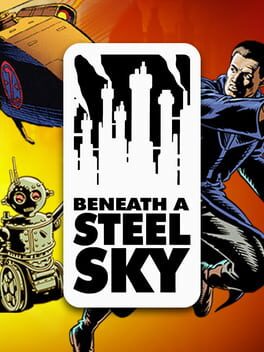 Beneath a Steel Sky
 is a cyberpunk, point and click, adventure game. You assume the role of Robert Foster and embark on a quest to make the world a better place, along with your robot companion Joey.
91
/100
03
Beneath a Steel Sky
Beneath a Steel Sky is a cyberpunk, point and click, adventure game. You assume the role of Robert Foster and embark on a quest to make the world a better place, along with your robot companion Joey.
91
/100
03
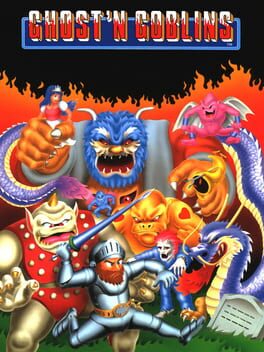 Ghosts 'n Goblins
 is a platform game where the player controls a knight, named Sir Arthur, who must defeat zombies, ogres, demons, cyclops, dragons and other monsters in order to rescue Princess Prin Prin, who has been kidnapped by Satan, king of Demon World. Along the way the player can pick up new weapons, bonuses and extra suits of armor that can help in this task. The game is often considered very difficult by arcade standards and is commonly regarded as one of the most difficult games ever released. The game is considered by Gametrailers.com to be the world's second most difficult game ever made. The player can only be hit twice before losing a life (the first hit takes away Arthur's armor, and the player must continue on in his underwear until completing the level, or finding replacement armor). If the player loses a life, he is returned to the start of the level, or the halfway point if he has managed to get that far. Furthermore, each life can only last a certain length of time (generally around three minutes), the clock being reset at the start of a level. If the clock does run out, the player instantly loses that life. After defeating the final boss, but only with the cross weapon (if the player does not have the cross weapon, they will be prompted that it is needed to defeat the boss and restart at the beginning of level 5 and must repeat round 5 and 6 again regardless if the weapon is obtained immediately or not) for the first time the player is informed that the battle was "a trap devised by Satan". The player must then replay the entire game on a higher difficulty level to reach the genuine final battle.
90
/100
Ghosts 'n Goblins
Ghosts 'n Goblins is a platform game where the player controls a knight, named Sir Arthur, who must defeat zombies, ogres, demons, cyclops, dragons and other monsters in order to rescue Princess Prin Prin, who has been kidnapped by Satan, king of Demon World. Along the way the player can pick up new weapons, bonuses and extra suits of armor that can help in this task. The game is often considered very difficult by arcade standards and is commonly regarded as one of the most difficult games ever released. The game is considered by Gametrailers.com to be the world's second most difficult game ever made. The player can only be hit twice before losing a life (the first hit takes away Arthur's armor, and the player must continue on in his underwear until completing the level, or finding replacement armor). If the player loses a life, he is returned to the start of the level, or the halfway point if he has managed to get that far. Furthermore, each life can only last a certain length of time (generally around three minutes), the clock being reset at the start of a level. If the clock does run out, the player instantly loses that life. After defeating the final boss, but only with the cross weapon (if the player does not have the cross weapon, they will be prompted that it is needed to defeat the boss and restart at the beginning of level 5 and must repeat round 5 and 6 again regardless if the weapon is obtained immediately or not) for the first time the player is informed that the battle was "a trap devised by Satan". The player must then replay the entire game on a higher difficulty level to reach the genuine final battle.
90
/100
Wasteland
The game mechanics were based directly on those used in the tabletop role-playing games Tunnels and Trolls and Mercenaries, Spies and Private Eyes created by Wasteland developers Ken St. Andre and Michael Stackpole. Characters in Wasteland consequently have various statistics (strength, intelligence and luck among others) that allow them to use different skills and weapons. Experience is gained through battle and through use of skills. The game would generally let players advance with a variety of tactics: to get through a locked gate, a player could use his picklock skill, his climb skill, or his strength attribute; or he could force the gate with a crowbar - or a LAW rocket. The initial band of Desert Rangers encountered a number of NPCs as the game progressed who could be recruited into the party of up to seven. Unlike those of other computer RPGs of the time, these NPCs might temporarily refuse to give up an item or perform an action if ordered to do so. The game was also noted for its high and unforgiving difficulty level and for such combat prose as "reduced to a thin red paste" and "explodes like a blood sausage", which prompted an unofficial PG-13 sticker on the game packaging in the United States. Wasteland was one of the first games featuring a persistent world, where changes to the game world were stored and kept. Returning to areas later in the game, one would find them in the state one left them in, instead of being reset to their original state, as was common for games of the time. Since hard drives were still rare in home computers in 1988, this meant the original game disk had to be copied first, as the manual instructed one to do.
100
/100
02
Beneath a Steel Sky
Beneath a Steel Sky is a cyberpunk, point and click, adventure game. You assume the role of Robert Foster and embark on a quest to make the world a better place, along with your robot companion Joey.
91
/100
03
Ghosts 'n Goblins
Ghosts 'n Goblins is a platform game where the player controls a knight, named Sir Arthur, who must defeat zombies, ogres, demons, cyclops, dragons and other monsters in order to rescue Princess Prin Prin, who has been kidnapped by Satan, king of Demon World. Along the way the player can pick up new weapons, bonuses and extra suits of armor that can help in this task. The game is often considered very difficult by arcade standards and is commonly regarded as one of the most difficult games ever released. The game is considered by Gametrailers.com to be the world's second most difficult game ever made. The player can only be hit twice before losing a life (the first hit takes away Arthur's armor, and the player must continue on in his underwear until completing the level, or finding replacement armor). If the player loses a life, he is returned to the start of the level, or the halfway point if he has managed to get that far. Furthermore, each life can only last a certain length of time (generally around three minutes), the clock being reset at the start of a level. If the clock does run out, the player instantly loses that life. After defeating the final boss, but only with the cross weapon (if the player does not have the cross weapon, they will be prompted that it is needed to defeat the boss and restart at the beginning of level 5 and must repeat round 5 and 6 again regardless if the weapon is obtained immediately or not) for the first time the player is informed that the battle was "a trap devised by Satan". The player must then replay the entire game on a higher difficulty level to reach the genuine final battle.
90
/100
04
 Dune II: Battle For Arrakis
Dune II is often considered the first mainstream modern real-time strategy game and established many conventions of the genre. Even though set in Frank Herbert's famous Dune universe, the game is only loosely connected to the plot of any of the books or the films based from them. Controlling either of the three Houses, the player must fight a number of battles against the other Houses. In the early levels, the goal is simply to earn a certain number of credits, while in the later missions, all enemies must be destroyed. The single resource in the game is the Spice, which must be collected by harvesters. The spice is converted to credits in a refinery, which are then spent to construct additional buildings and units. There are two terrain types: buildings can only be constructed on stone, while the Spice is only found on sand. However, units moving on sand attract the large sandworms of Dune, who are virtually indestructible and can swallow even large units whole. As levels progress, new and more advanced buildings and units are made available, including structures like a radar station, a repair facility or defense turrets and, for units, various ground troops, light vehicles and tanks. Each House can construct one unique special unit, and, after building a palace improvement, can unleash a unique palace effect.
90
/100
05
Dune II: Battle For Arrakis
Dune II is often considered the first mainstream modern real-time strategy game and established many conventions of the genre. Even though set in Frank Herbert's famous Dune universe, the game is only loosely connected to the plot of any of the books or the films based from them. Controlling either of the three Houses, the player must fight a number of battles against the other Houses. In the early levels, the goal is simply to earn a certain number of credits, while in the later missions, all enemies must be destroyed. The single resource in the game is the Spice, which must be collected by harvesters. The spice is converted to credits in a refinery, which are then spent to construct additional buildings and units. There are two terrain types: buildings can only be constructed on stone, while the Spice is only found on sand. However, units moving on sand attract the large sandworms of Dune, who are virtually indestructible and can swallow even large units whole. As levels progress, new and more advanced buildings and units are made available, including structures like a radar station, a repair facility or defense turrets and, for units, various ground troops, light vehicles and tanks. Each House can construct one unique special unit, and, after building a palace improvement, can unleash a unique palace effect.
90
/100
05
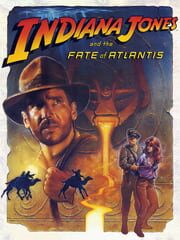 Indiana Jones and the Fate of Atlantis
A point-and-click adventure game by LucasArts originally released in 1992. Almost a year later, it was reissued on CD-ROM as an enhanced "talkie" edition with full voice acting and digitized sound effects. In 2009, this version was also released as an unlockable extra of the Wii action game Indiana Jones and the Staff of Kings, and as a digitally distributed Steam title. The seventh game to use the script language SCUMM, Fate of Atlantis has the player explore environments and interact with objects and characters by using commands constructed with predetermined verbs. It features three unique paths to select, influencing story development, gameplay and puzzles.
90
/100
06
Indiana Jones and the Fate of Atlantis
A point-and-click adventure game by LucasArts originally released in 1992. Almost a year later, it was reissued on CD-ROM as an enhanced "talkie" edition with full voice acting and digitized sound effects. In 2009, this version was also released as an unlockable extra of the Wii action game Indiana Jones and the Staff of Kings, and as a digitally distributed Steam title. The seventh game to use the script language SCUMM, Fate of Atlantis has the player explore environments and interact with objects and characters by using commands constructed with predetermined verbs. It features three unique paths to select, influencing story development, gameplay and puzzles.
90
/100
06
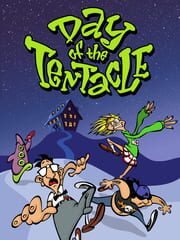 Day of the Tentacle
, also known as Maniac Mansion II: Day of the Tentacle, is a 1993 graphic adventure game developed and published by LucasArts. It is the sequel to the 1987 game Maniac Mansion. The game's plot follows Bernard Bernoulli and his friends Hoagie and Laverne as they attempt to stop the evil Purple Tentacle — a sentient, disembodied tentacle — from taking over the world. The player takes control of the three and solves puzzles while using time travel to explore different periods of history. Dave Grossman and Tim Schafer co-led the game's development, their first time in such a role. The pair carried over a limited amount of elements from Maniac Mansion and forwent the character selection aspect to simplify development. Inspirations included Chuck Jones cartoons and the history of the United States. Day of the Tentacle is the eighth LucasArts title to use the SCUMM engine, and the company's first title to feature voice acting. The game was released simultaneously on floppy disk and CD-ROM to critical acclaim and commercial success. Critics focused on its cartoon-style visuals and comedic elements. Day of the Tentacle has featured regularly in lists of "top" games published more than two decades after its release, and aspects have been referenced in popular culture.
89
/100
07
Day of the Tentacle
Day of the Tentacle, also known as Maniac Mansion II: Day of the Tentacle, is a 1993 graphic adventure game developed and published by LucasArts. It is the sequel to the 1987 game Maniac Mansion. The game's plot follows Bernard Bernoulli and his friends Hoagie and Laverne as they attempt to stop the evil Purple Tentacle — a sentient, disembodied tentacle — from taking over the world. The player takes control of the three and solves puzzles while using time travel to explore different periods of history. Dave Grossman and Tim Schafer co-led the game's development, their first time in such a role. The pair carried over a limited amount of elements from Maniac Mansion and forwent the character selection aspect to simplify development. Inspirations included Chuck Jones cartoons and the history of the United States. Day of the Tentacle is the eighth LucasArts title to use the SCUMM engine, and the company's first title to feature voice acting. The game was released simultaneously on floppy disk and CD-ROM to critical acclaim and commercial success. Critics focused on its cartoon-style visuals and comedic elements. Day of the Tentacle has featured regularly in lists of "top" games published more than two decades after its release, and aspects have been referenced in popular culture.
89
/100
07
 Sid Meier's Civilization
 is a turn-based strategy computer game created by Sid Meier for MicroProse in 1991.The game's objective is "...to build an empire that would stand the test of time". The game begins in 4000 BC, and the players attempt to expand and develop their empires through the ages until modern and near-future times. It is also known simply as Civilization.
89
/100
08
Sid Meier's Civilization
Sid Meier's Civilization is a turn-based strategy computer game created by Sid Meier for MicroProse in 1991.The game's objective is "...to build an empire that would stand the test of time". The game begins in 4000 BC, and the players attempt to expand and develop their empires through the ages until modern and near-future times. It is also known simply as Civilization.
89
/100
08
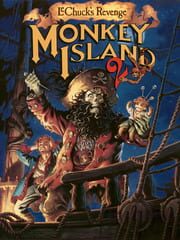 Monkey Island 2: LeChuck's Revenge
Wannabe pirate Guybrush Threepwood, and the now zombie pirate LeChuck, return in what has long been considered one of the greatest LucasArts adventure games of all time. Having seemingly defeated the evil ghost pirate LeChuck in his first adventure, Guybrush Threepwood sets his sights on the legendary treasure of Big Whoop. But wait, LeChuck is now back in zombie form and he's out for revenge. Guybrush will have to use his wits, his humor and his insatiable desire for adventure to defeat his nemesis once and for all and truly prove himself the greatest pirate in the Caribbean. Voodoo dolls, spitting contests and amusement parks are just some of the challenges Guybrush must overcome as he meets old friends, fights new enemies and uses every ounce of his mojo to overcome the wrath of LeChuck's revenge.
88
/100
09
Monkey Island 2: LeChuck's Revenge
Wannabe pirate Guybrush Threepwood, and the now zombie pirate LeChuck, return in what has long been considered one of the greatest LucasArts adventure games of all time. Having seemingly defeated the evil ghost pirate LeChuck in his first adventure, Guybrush Threepwood sets his sights on the legendary treasure of Big Whoop. But wait, LeChuck is now back in zombie form and he's out for revenge. Guybrush will have to use his wits, his humor and his insatiable desire for adventure to defeat his nemesis once and for all and truly prove himself the greatest pirate in the Caribbean. Voodoo dolls, spitting contests and amusement parks are just some of the challenges Guybrush must overcome as he meets old friends, fights new enemies and uses every ounce of his mojo to overcome the wrath of LeChuck's revenge.
88
/100
09
 X-COM: UFO Defense
 is a strategy game that combines tactical combat with base management and global defense. Players lead an international organization tasked with defending Earth from an alien invasion. The game unfolds on two levels: a global view where players manage resources, research alien technology, and intercept UFOs, and a tactical combat mode where squad-based battles occur. Players recruit and train soldiers, build bases, and develop new weapons and equipment based on recovered alien technology. Missions involve turn-based combat against aliens in various environments, with permadeath adding tension to each engagement. As the alien threat escalates, players must balance research, defense, and offensive operations to protect Earth's nations from panic and alien infiltration. X-COM: UFO Defense's blend of strategic depth, tactical combat, and atmospheric tension creates a compelling gameplay experience in the face of a global alien threat.
85
/100
10
X-COM: UFO Defense
X-COM: UFO Defense is a strategy game that combines tactical combat with base management and global defense. Players lead an international organization tasked with defending Earth from an alien invasion. The game unfolds on two levels: a global view where players manage resources, research alien technology, and intercept UFOs, and a tactical combat mode where squad-based battles occur. Players recruit and train soldiers, build bases, and develop new weapons and equipment based on recovered alien technology. Missions involve turn-based combat against aliens in various environments, with permadeath adding tension to each engagement. As the alien threat escalates, players must balance research, defense, and offensive operations to protect Earth's nations from panic and alien infiltration. X-COM: UFO Defense's blend of strategic depth, tactical combat, and atmospheric tension creates a compelling gameplay experience in the face of a global alien threat.
85
/100
10
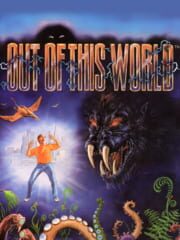 Out of This World
 (Another World in Europe) is a cinematic platformer that uses vector-based graphics and rotoscoped animations to deliver a minimalistic yet expressive visual style. It features a combination of action, platforming, and puzzle-solving mechanics, with a deliberate lack of HUD and textual guidance. Gameplay emphasizes trial-and-error, timing, and exploration, with a limited checkpoint system. In 2005, a homebrew port of the Atari ST version was released for the Game Boy Advance, officially allowed by Éric Chahi to be published with the original assets.
84
/100
11
Out of This World
Out of This World (Another World in Europe) is a cinematic platformer that uses vector-based graphics and rotoscoped animations to deliver a minimalistic yet expressive visual style. It features a combination of action, platforming, and puzzle-solving mechanics, with a deliberate lack of HUD and textual guidance. Gameplay emphasizes trial-and-error, timing, and exploration, with a limited checkpoint system. In 2005, a homebrew port of the Atari ST version was released for the Game Boy Advance, officially allowed by Éric Chahi to be published with the original assets.
84
/100
11
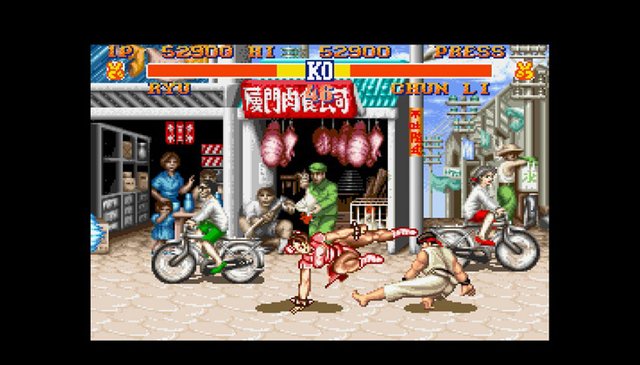 Street Fighter II: The World Warrior (1991)
84
/100
12
Street Fighter II: The World Warrior (1991)
84
/100
12
 Mortal Kombat
83
/100
13
Mortal Kombat
83
/100
13
 Quake II
83
/100
14
Quake II
83
/100
14
 Quake
83
/100
15
Quake
83
/100
15
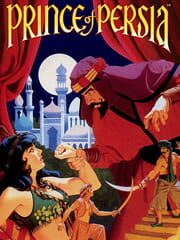 Prince of Persia (1989)
81
/100
16
Prince of Persia (1989)
81
/100
16
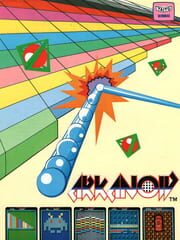 Arkanoid
81
/100
17
Arkanoid
81
/100
17
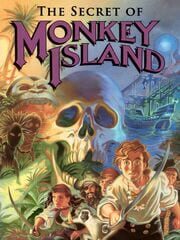 The Secret of Monkey Island
80
/100
18
The Secret of Monkey Island
80
/100
18
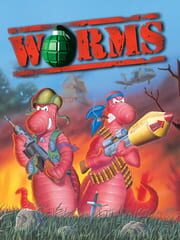 Worms
80
/100
19
Worms
80
/100
19
 Disney's The Lion King
80
/100
20
Disney's The Lion King
80
/100
20
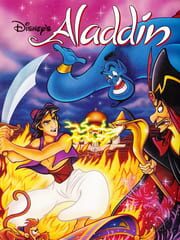 Disney's Aladdin
80
/100
21
Disney's Aladdin
80
/100
21
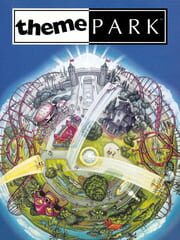 Theme Park
79
/100
22
Theme Park
79
/100
22
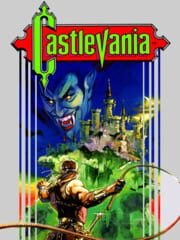 Castlevania
79
/100
23
Castlevania
79
/100
23
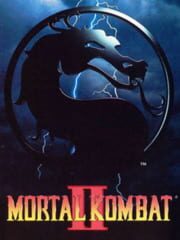 Mortal Kombat II
76
/100
24
Mortal Kombat II
76
/100
24
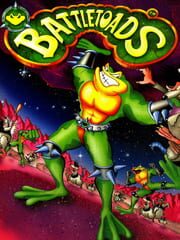 Battletoads
76
/100
25
Battletoads
76
/100
25
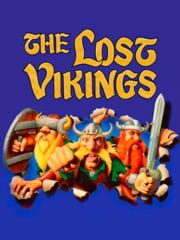 The Lost Vikings
75
/100
26
The Lost Vikings
75
/100
26
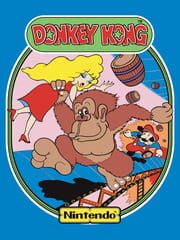 Donkey Kong
72
/100
27
Donkey Kong
72
/100
27
 SimCity 2000
71
/100
28
SimCity 2000
71
/100
28
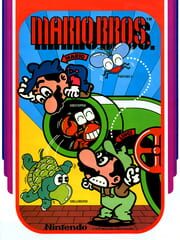 F
Mario Bros. (1983)
70
/100
29
F
Mario Bros. (1983)
70
/100
29
 Galaga
70
/100
30
Galaga
70
/100
30
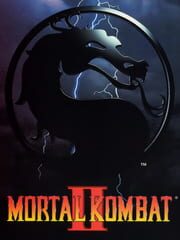 Mortal Kombat 2
70
/100
31
Mortal Kombat 2
70
/100
31
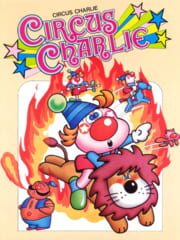 Circus Charlie
70
/100
32
Circus Charlie
70
/100
32
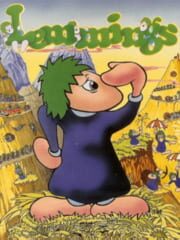 Lemmings
68
/100
33
Lemmings
68
/100
33
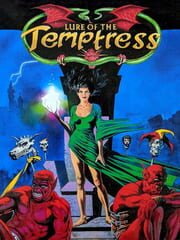 Lure of the Temptress
67
/100
34
Lure of the Temptress
67
/100
34
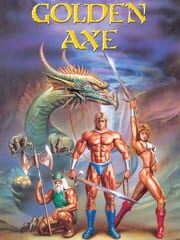 Golden Axe
65
/100
35
Golden Axe
65
/100
35
 Pac-Man
62
/100
36
Pac-Man
62
/100
36
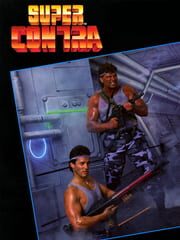 Super Contra (1988)
61
/100
37
Super Contra (1988)
61
/100
37
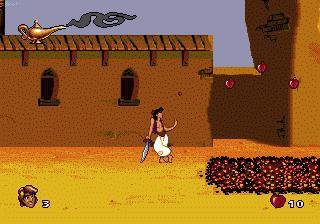 Disney's Aladdin
59
/100
38
Disney's Aladdin
59
/100
38
 SimCity
59
/100
39
SimCity
59
/100
39
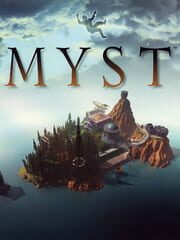 Myst
55
/100
40
Myst
55
/100
40
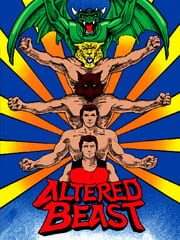 Altered Beast
45
/100
41
Altered Beast
45
/100
41
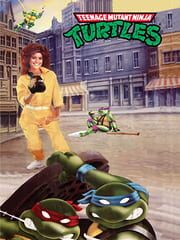 Teenage Mutant Ninja Turtles
45
/100
42
Teenage Mutant Ninja Turtles
45
/100
42
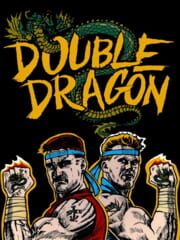 Double Dragon
39
/100
43
Double Dragon
39
/100
43
 Flashback: The Quest for Identity
35
/100
Flashback: The Quest for Identity
35
/100
Dune II: Battle For Arrakis
Dune II is often considered the first mainstream modern real-time strategy game and established many conventions of the genre. Even though set in Frank Herbert's famous Dune universe, the game is only loosely connected to the plot of any of the books or the films based from them. Controlling either of the three Houses, the player must fight a number of battles against the other Houses. In the early levels, the goal is simply to earn a certain number of credits, while in the later missions, all enemies must be destroyed. The single resource in the game is the Spice, which must be collected by harvesters. The spice is converted to credits in a refinery, which are then spent to construct additional buildings and units. There are two terrain types: buildings can only be constructed on stone, while the Spice is only found on sand. However, units moving on sand attract the large sandworms of Dune, who are virtually indestructible and can swallow even large units whole. As levels progress, new and more advanced buildings and units are made available, including structures like a radar station, a repair facility or defense turrets and, for units, various ground troops, light vehicles and tanks. Each House can construct one unique special unit, and, after building a palace improvement, can unleash a unique palace effect.
90
/100
05
Indiana Jones and the Fate of Atlantis
A point-and-click adventure game by LucasArts originally released in 1992. Almost a year later, it was reissued on CD-ROM as an enhanced "talkie" edition with full voice acting and digitized sound effects. In 2009, this version was also released as an unlockable extra of the Wii action game Indiana Jones and the Staff of Kings, and as a digitally distributed Steam title. The seventh game to use the script language SCUMM, Fate of Atlantis has the player explore environments and interact with objects and characters by using commands constructed with predetermined verbs. It features three unique paths to select, influencing story development, gameplay and puzzles.
90
/100
06
Day of the Tentacle
Day of the Tentacle, also known as Maniac Mansion II: Day of the Tentacle, is a 1993 graphic adventure game developed and published by LucasArts. It is the sequel to the 1987 game Maniac Mansion. The game's plot follows Bernard Bernoulli and his friends Hoagie and Laverne as they attempt to stop the evil Purple Tentacle — a sentient, disembodied tentacle — from taking over the world. The player takes control of the three and solves puzzles while using time travel to explore different periods of history. Dave Grossman and Tim Schafer co-led the game's development, their first time in such a role. The pair carried over a limited amount of elements from Maniac Mansion and forwent the character selection aspect to simplify development. Inspirations included Chuck Jones cartoons and the history of the United States. Day of the Tentacle is the eighth LucasArts title to use the SCUMM engine, and the company's first title to feature voice acting. The game was released simultaneously on floppy disk and CD-ROM to critical acclaim and commercial success. Critics focused on its cartoon-style visuals and comedic elements. Day of the Tentacle has featured regularly in lists of "top" games published more than two decades after its release, and aspects have been referenced in popular culture.
89
/100
07
Sid Meier's Civilization
Sid Meier's Civilization is a turn-based strategy computer game created by Sid Meier for MicroProse in 1991.The game's objective is "...to build an empire that would stand the test of time". The game begins in 4000 BC, and the players attempt to expand and develop their empires through the ages until modern and near-future times. It is also known simply as Civilization.
89
/100
08
Monkey Island 2: LeChuck's Revenge
Wannabe pirate Guybrush Threepwood, and the now zombie pirate LeChuck, return in what has long been considered one of the greatest LucasArts adventure games of all time. Having seemingly defeated the evil ghost pirate LeChuck in his first adventure, Guybrush Threepwood sets his sights on the legendary treasure of Big Whoop. But wait, LeChuck is now back in zombie form and he's out for revenge. Guybrush will have to use his wits, his humor and his insatiable desire for adventure to defeat his nemesis once and for all and truly prove himself the greatest pirate in the Caribbean. Voodoo dolls, spitting contests and amusement parks are just some of the challenges Guybrush must overcome as he meets old friends, fights new enemies and uses every ounce of his mojo to overcome the wrath of LeChuck's revenge.
88
/100
09
X-COM: UFO Defense
X-COM: UFO Defense is a strategy game that combines tactical combat with base management and global defense. Players lead an international organization tasked with defending Earth from an alien invasion. The game unfolds on two levels: a global view where players manage resources, research alien technology, and intercept UFOs, and a tactical combat mode where squad-based battles occur. Players recruit and train soldiers, build bases, and develop new weapons and equipment based on recovered alien technology. Missions involve turn-based combat against aliens in various environments, with permadeath adding tension to each engagement. As the alien threat escalates, players must balance research, defense, and offensive operations to protect Earth's nations from panic and alien infiltration. X-COM: UFO Defense's blend of strategic depth, tactical combat, and atmospheric tension creates a compelling gameplay experience in the face of a global alien threat.
85
/100
10
Out of This World
Out of This World (Another World in Europe) is a cinematic platformer that uses vector-based graphics and rotoscoped animations to deliver a minimalistic yet expressive visual style. It features a combination of action, platforming, and puzzle-solving mechanics, with a deliberate lack of HUD and textual guidance. Gameplay emphasizes trial-and-error, timing, and exploration, with a limited checkpoint system. In 2005, a homebrew port of the Atari ST version was released for the Game Boy Advance, officially allowed by Éric Chahi to be published with the original assets.
84
/100
11
Street Fighter II: The World Warrior (1991)
84
/100
12
Mortal Kombat
83
/100
13
Quake II
83
/100
14
Quake
83
/100
15
Prince of Persia (1989)
81
/100
16
Arkanoid
81
/100
17
The Secret of Monkey Island
80
/100
18
Worms
80
/100
19
Disney's The Lion King
80
/100
20
Disney's Aladdin
80
/100
21
Theme Park
79
/100
22
Castlevania
79
/100
23
Mortal Kombat II
76
/100
24
Battletoads
76
/100
25
The Lost Vikings
75
/100
26
Donkey Kong
72
/100
27
SimCity 2000
71
/100
28
F
Mario Bros. (1983)
70
/100
29
Galaga
70
/100
30
Mortal Kombat 2
70
/100
31
Circus Charlie
70
/100
32
Lemmings
68
/100
33
Lure of the Temptress
67
/100
34
Golden Axe
65
/100
35
Pac-Man
62
/100
36
Super Contra (1988)
61
/100
37
Disney's Aladdin
59
/100
38
SimCity
59
/100
39
Myst
55
/100
40
Altered Beast
45
/100
41
Teenage Mutant Ninja Turtles
45
/100
42
Double Dragon
39
/100
43
Flashback: The Quest for Identity
35
/100
Preguntas frecuentes
¿Cuál es el mejor juego de Amiga?
Wasteland encabeza actualmente la clasificación con una puntuación de 100/100 sobre 128 valoraciones. Clasificación actualizada en septiembre 2026.
¿Cómo se construye esta clasificación?
Los juegos se ordenan por su puntuación crítica agregada sobre 100, con un umbral mínimo de votos para que una sola crítica entusiasta nunca supere a un clásico consagrado; los grados de F a S de la comunidad Tier se muestran junto a cada juego.