
Best games
Best PC games of 1989
The 9 best PC games released in 1989, ranked from 1,065 critic and player ratings.
The best PC game of 1989 is Prince of Persia (1989), with a critic score of 81/100 — updated September 2026.
How this ranking is built
- Games are ranked on the aggregated critic score out of 100 imported from IGDB and Metacritic, never on Tier's own grades.
- A game only enters the ranking with at least 30 external ratings, so a single enthusiastic review never outranks a proven classic.
- Community grades from F to S are shown next to every game, and only stated as a fact above 5 Tier ratings.
- Release window covered: 1989.
- 9 games are listed on this page, carrying 1,065 ratings between them.
- Rankings are recomputed hourly; this one was last rebuilt on 28 September 2026.
Top 9
01
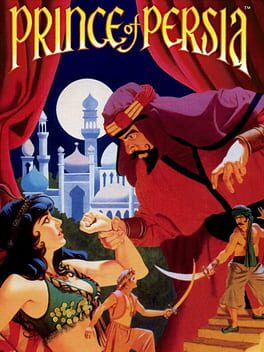 Prince of Persia (1989)
The game is set in ancient Persia. While the sultan is fighting a war in a foreign land, his vizier Jaffar, a wizard, seizes power. Jaffar's only obstacle to the throne is the Sultan's daughter (although the game never specifically mentions how). Jaffar locks her in a tower and orders her, under threat of execution, to become his wife. The game's nameless protagonist, whom the Princess loves, is thrown into the palace dungeons. The player must lead the protagonist out of the dungeons and to the palace tower, defeating Jaffar and freeing the Princess in under 60 minutes. In addition to guards, various traps and dungeons, the protagonist is further hindered by his own doppelgänger, an apparition of his own self that is conjured out of a magic mirror.
81
/100
02
Prince of Persia (1989)
The game is set in ancient Persia. While the sultan is fighting a war in a foreign land, his vizier Jaffar, a wizard, seizes power. Jaffar's only obstacle to the throne is the Sultan's daughter (although the game never specifically mentions how). Jaffar locks her in a tower and orders her, under threat of execution, to become his wife. The game's nameless protagonist, whom the Princess loves, is thrown into the palace dungeons. The player must lead the protagonist out of the dungeons and to the palace tower, defeating Jaffar and freeing the Princess in under 60 minutes. In addition to guards, various traps and dungeons, the protagonist is further hindered by his own doppelgänger, an apparition of his own self that is conjured out of a magic mirror.
81
/100
02
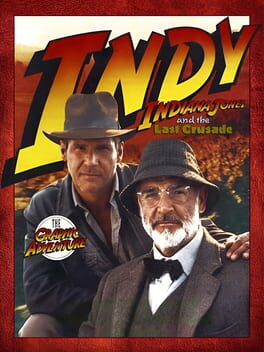 Indiana Jones and the Last Crusade: The Graphic Adventure
Europe, 1938. The Lost Ark was just a warm up! Now Adolph Hitler is after the most powerful talisman of all- the Holy Grail. A few brave men stand in his way. Fortunately, one of them is Indiana Jones. And this time, he has his dad with him. The bad guys are in your face all the way- Nazis, mercenaries, traitors, spies. Not to mention everything the Luftwaffe can throw at you.. Can you handle the heat? If you can, you just might earn a higher I.Q. (Indy Quotient) than the man with the whip and the hat. Puzzles, action, adventure.
77
/100
03
Indiana Jones and the Last Crusade: The Graphic Adventure
Europe, 1938. The Lost Ark was just a warm up! Now Adolph Hitler is after the most powerful talisman of all- the Holy Grail. A few brave men stand in his way. Fortunately, one of them is Indiana Jones. And this time, he has his dad with him. The bad guys are in your face all the way- Nazis, mercenaries, traitors, spies. Not to mention everything the Luftwaffe can throw at you.. Can you handle the heat? If you can, you just might earn a higher I.Q. (Indy Quotient) than the man with the whip and the hat. Puzzles, action, adventure.
77
/100
03
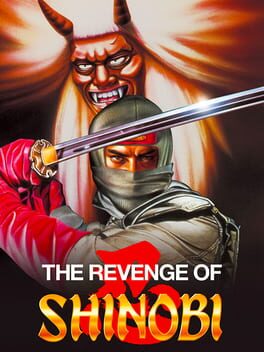 The Revenge of Shinobi
, known as The Super Shinobi in Japan, is the continuation of Shadow Dancer - the arcade sequel to Shinobi. The game was the first Shinobi title developed exclusively for home consoles.
75
/100
The Revenge of Shinobi
The Revenge of Shinobi, known as The Super Shinobi in Japan, is the continuation of Shadow Dancer - the arcade sequel to Shinobi. The game was the first Shinobi title developed exclusively for home consoles.
75
/100
Prince of Persia (1989)
The game is set in ancient Persia. While the sultan is fighting a war in a foreign land, his vizier Jaffar, a wizard, seizes power. Jaffar's only obstacle to the throne is the Sultan's daughter (although the game never specifically mentions how). Jaffar locks her in a tower and orders her, under threat of execution, to become his wife. The game's nameless protagonist, whom the Princess loves, is thrown into the palace dungeons. The player must lead the protagonist out of the dungeons and to the palace tower, defeating Jaffar and freeing the Princess in under 60 minutes. In addition to guards, various traps and dungeons, the protagonist is further hindered by his own doppelgänger, an apparition of his own self that is conjured out of a magic mirror.
81
/100
02
Indiana Jones and the Last Crusade: The Graphic Adventure
Europe, 1938. The Lost Ark was just a warm up! Now Adolph Hitler is after the most powerful talisman of all- the Holy Grail. A few brave men stand in his way. Fortunately, one of them is Indiana Jones. And this time, he has his dad with him. The bad guys are in your face all the way- Nazis, mercenaries, traitors, spies. Not to mention everything the Luftwaffe can throw at you.. Can you handle the heat? If you can, you just might earn a higher I.Q. (Indy Quotient) than the man with the whip and the hat. Puzzles, action, adventure.
77
/100
03
The Revenge of Shinobi
The Revenge of Shinobi, known as The Super Shinobi in Japan, is the continuation of Shadow Dancer - the arcade sequel to Shinobi. The game was the first Shinobi title developed exclusively for home consoles.
75
/100
04
 Populous
 is a real-time strategy game where the player takes the role of a deity influencing the development of civilizations. You shape terrain, guide followers, and use natural disasters like floods, volcanoes, and earthquakes to influence or eliminate opposing tribes. The game features an isometric perspective and includes 500 levels (worlds), each with different challenges. Originally developed by Bullfrog and designed by Peter Molyneux, it is considered one of the earliest examples of the god-game genre.
74
/100
05
Populous
Populous is a real-time strategy game where the player takes the role of a deity influencing the development of civilizations. You shape terrain, guide followers, and use natural disasters like floods, volcanoes, and earthquakes to influence or eliminate opposing tribes. The game features an isometric perspective and includes 500 levels (worlds), each with different challenges. Originally developed by Bullfrog and designed by Peter Molyneux, it is considered one of the earliest examples of the god-game genre.
74
/100
05
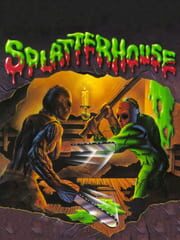 Splatterhouse (1989)
Splatterhouse is a sidescrolling beat 'em up video game in which the player controls Rick, a parapsychology student who is trapped inside West Mansion. After his resurrection by the Terror Mask, Rick makes his way through the mansion, fighting off hordes of creatures in a vain attempt to save his girlfriend Jennifer from a grisly fate. Players of this game will also recognize a number of western horror film influences, such as Friday the 13th and Evil Dead 2. Similar to many sidescrolling beat 'em up games, Rick can only move in a two-dimensional environment. The playing field does not feature a three-dimensional area, a feature that was added later in the series with Splatterhouse 3. He has the ability to jump and can punch and kick. Rick also has a Special Attack, where he will perform a drop kick that sends him skidding along the ground, damaging any enemies he hits. Rick can also perform a low kick, low punch, and jumping attacks, as well as pick up and use various weapons placed in the levels. All of the levels consist of walking left to right, with occasional auto-scrolling segments. However, alternative pathways through sections of the house are possible by falling down through holes or jumping up onto ladders. In this way, branching gameplay is possible, if only prevalent in the middle levels. Levels culminate in boss fights that take place in a single room. Unlike traditional side-scrolling fighters, boss fights have varying objectives and styles. Unlike most arcade games in the genre, Splatterhouse sends players back to checkpoints after losing lives or reaching game over, discouraging "credit feeding" as a method of overcoming the various challenges.
66
/100
06
Splatterhouse (1989)
Splatterhouse is a sidescrolling beat 'em up video game in which the player controls Rick, a parapsychology student who is trapped inside West Mansion. After his resurrection by the Terror Mask, Rick makes his way through the mansion, fighting off hordes of creatures in a vain attempt to save his girlfriend Jennifer from a grisly fate. Players of this game will also recognize a number of western horror film influences, such as Friday the 13th and Evil Dead 2. Similar to many sidescrolling beat 'em up games, Rick can only move in a two-dimensional environment. The playing field does not feature a three-dimensional area, a feature that was added later in the series with Splatterhouse 3. He has the ability to jump and can punch and kick. Rick also has a Special Attack, where he will perform a drop kick that sends him skidding along the ground, damaging any enemies he hits. Rick can also perform a low kick, low punch, and jumping attacks, as well as pick up and use various weapons placed in the levels. All of the levels consist of walking left to right, with occasional auto-scrolling segments. However, alternative pathways through sections of the house are possible by falling down through holes or jumping up onto ladders. In this way, branching gameplay is possible, if only prevalent in the middle levels. Levels culminate in boss fights that take place in a single room. Unlike traditional side-scrolling fighters, boss fights have varying objectives and styles. Unlike most arcade games in the genre, Splatterhouse sends players back to checkpoints after losing lives or reaching game over, discouraging "credit feeding" as a method of overcoming the various challenges.
66
/100
06
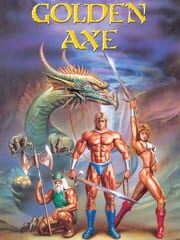 Golden Axe
Progress is made through the game by fighting through Death Adder's henchmen, including men armed with clubs and maces, skeleton warriors, and knights. Players are able to attack using their weapon, jump and cast spells that hurt all enemies on the screen. The force of this magic depends on the number of "bars" of magic power currently available. The bars are filled by collecting blue 'magic potions' attained by kicking little sprites who then drop the potions. These sprites appear during regular levels and during bonus stages in between levels. The male warrior Ax is able to cast earth spells. The dwarf Gilius, casts lightning spells and the female warrior Tyris casts fire magic. Each character has a different number of maximum magic bars and varying ranges of attack. Various steeds known as bizarrians are found in the game. These can be ridden when the enemy rider is knocked off, or if one is found dormant. The least powerful steed is known as the Cockatrice, which can be used to knock down enemies with a swipe of its tail. The more powerful dragon, which can either shoot fireballs or breathe fire, is found later in the game.
65
/100
07
Golden Axe
Progress is made through the game by fighting through Death Adder's henchmen, including men armed with clubs and maces, skeleton warriors, and knights. Players are able to attack using their weapon, jump and cast spells that hurt all enemies on the screen. The force of this magic depends on the number of "bars" of magic power currently available. The bars are filled by collecting blue 'magic potions' attained by kicking little sprites who then drop the potions. These sprites appear during regular levels and during bonus stages in between levels. The male warrior Ax is able to cast earth spells. The dwarf Gilius, casts lightning spells and the female warrior Tyris casts fire magic. Each character has a different number of maximum magic bars and varying ranges of attack. Various steeds known as bizarrians are found in the game. These can be ridden when the enemy rider is knocked off, or if one is found dormant. The least powerful steed is known as the Cockatrice, which can be used to knock down enemies with a swipe of its tail. The more powerful dragon, which can either shoot fireballs or breathe fire, is found later in the game.
65
/100
07
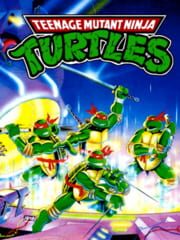 Teenage Mutant Ninja Turtles
A Port of "Teenage Mutant Ninja Turtles" for home computers. Teenage Mutant Ninja Turtles is an action-platform game. It is based on the first Teenage Mutant Ninja Turtles animated series which began airing in late 1987.
65
/100
08
Teenage Mutant Ninja Turtles
A Port of "Teenage Mutant Ninja Turtles" for home computers. Teenage Mutant Ninja Turtles is an action-platform game. It is based on the first Teenage Mutant Ninja Turtles animated series which began airing in late 1987.
65
/100
08
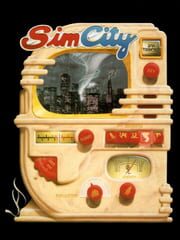 SimCity
, later renamed SimCity Classic, is a city-building simulation video game, first released on February 2, 1989, and designed by Will Wright for the Macintosh computer. SimCity was Maxis's second product, which has since been ported into various personal computers and game consoles, and spawned several sequels including SimCity 2000 in 1993, SimCity 3000 in 1999, SimCity 4 in 2003, SimCity DS, SimCity Societies in 2007, and SimCity in 2013. Until the release of The Sims in 2000, the SimCity series was the best-selling line of computer games made by Maxis.
59
/100
09
SimCity
SimCity, later renamed SimCity Classic, is a city-building simulation video game, first released on February 2, 1989, and designed by Will Wright for the Macintosh computer. SimCity was Maxis's second product, which has since been ported into various personal computers and game consoles, and spawned several sequels including SimCity 2000 in 1993, SimCity 3000 in 1999, SimCity 4 in 2003, SimCity DS, SimCity Societies in 2007, and SimCity in 2013. Until the release of The Sims in 2000, the SimCity series was the best-selling line of computer games made by Maxis.
59
/100
09
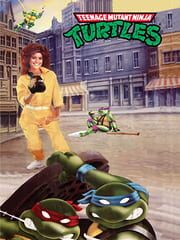 Teenage Mutant Ninja Turtles
NOTE: This is the original 4-Player Arcade release, not the NES Title. The player chooses from one of the four Ninja Turtles: Leonardo, Michelangelo, Donatello, and Raphael. After Shredder kidnaps the Turtles' friend April O'Neil and their mentor Splinter, they must give chase, save their comrades, and defeat the evil Shredder. The player chooses from one of the four Ninja Turtles: Leonardo, Michelangelo, Donatello, and Raphael. Depending on the version of the game, the characters are either, chosen at the start of the game or assigned by control panel. After Shredder kidnaps the Turtles' friend April O'Neil and their mentor Splinter, they must give chase, save their comrades, and defeat the evil Shredder. Up to four players (two in some versions) can take control of any of the Turtles. Donatello has slower attacks but a longer range, Michelangelo and Raphael have faster attacks but a shorter range, and Leonardo is a well-rounded Turtle with average range and speed. The eight-way joystick controls the movements of the Turtle, the jump button makes them jump and the attack button makes them hit in front of them using their weapon. In addition to this, some combinations are possible. The Turtles can throw Foot soldiers overhead, and by pressing the jump and attack buttons, a special attack is performed. Raphael rolls along the ground and finishes with a kick, while the other Turtles do a sweeping jump attack with their weapons. Turtles can also spring off the wall in certain areas. Enemies can be defeated more quickly by slamming them into walls or solid objects. Many objects such as traffic cones, parking meters, fire hydrants and exploding oil drums can be hit or damaged with attacks in order to help defeat nearby enemies. In the attract mode, the game showed the first part of the cartoon opening, along with a portion of the Teenage Mutant Ninja Turtles theme song. Most of the enemies the Turtles face are the Foot Soldiers, all color-coded to indicate their attack patterns and weapon of choices. Some enemies, such as the standard purple-clad Foot Soldiers and Roadkill Rodney robots, have the ability to restrain the Turtles' mobility and drain their health, leaving the player open to attack for other enemies. The bosses in the game include Rocksteady and Bebop (individually at first in that order, and later the two of them together), Baxter Stockman, Granitor, General Traag, Krang, and Shredder himself.
45
/100
Teenage Mutant Ninja Turtles
NOTE: This is the original 4-Player Arcade release, not the NES Title. The player chooses from one of the four Ninja Turtles: Leonardo, Michelangelo, Donatello, and Raphael. After Shredder kidnaps the Turtles' friend April O'Neil and their mentor Splinter, they must give chase, save their comrades, and defeat the evil Shredder. The player chooses from one of the four Ninja Turtles: Leonardo, Michelangelo, Donatello, and Raphael. Depending on the version of the game, the characters are either, chosen at the start of the game or assigned by control panel. After Shredder kidnaps the Turtles' friend April O'Neil and their mentor Splinter, they must give chase, save their comrades, and defeat the evil Shredder. Up to four players (two in some versions) can take control of any of the Turtles. Donatello has slower attacks but a longer range, Michelangelo and Raphael have faster attacks but a shorter range, and Leonardo is a well-rounded Turtle with average range and speed. The eight-way joystick controls the movements of the Turtle, the jump button makes them jump and the attack button makes them hit in front of them using their weapon. In addition to this, some combinations are possible. The Turtles can throw Foot soldiers overhead, and by pressing the jump and attack buttons, a special attack is performed. Raphael rolls along the ground and finishes with a kick, while the other Turtles do a sweeping jump attack with their weapons. Turtles can also spring off the wall in certain areas. Enemies can be defeated more quickly by slamming them into walls or solid objects. Many objects such as traffic cones, parking meters, fire hydrants and exploding oil drums can be hit or damaged with attacks in order to help defeat nearby enemies. In the attract mode, the game showed the first part of the cartoon opening, along with a portion of the Teenage Mutant Ninja Turtles theme song. Most of the enemies the Turtles face are the Foot Soldiers, all color-coded to indicate their attack patterns and weapon of choices. Some enemies, such as the standard purple-clad Foot Soldiers and Roadkill Rodney robots, have the ability to restrain the Turtles' mobility and drain their health, leaving the player open to attack for other enemies. The bosses in the game include Rocksteady and Bebop (individually at first in that order, and later the two of them together), Baxter Stockman, Granitor, General Traag, Krang, and Shredder himself.
45
/100
Populous
Populous is a real-time strategy game where the player takes the role of a deity influencing the development of civilizations. You shape terrain, guide followers, and use natural disasters like floods, volcanoes, and earthquakes to influence or eliminate opposing tribes. The game features an isometric perspective and includes 500 levels (worlds), each with different challenges. Originally developed by Bullfrog and designed by Peter Molyneux, it is considered one of the earliest examples of the god-game genre.
74
/100
05
Splatterhouse (1989)
Splatterhouse is a sidescrolling beat 'em up video game in which the player controls Rick, a parapsychology student who is trapped inside West Mansion. After his resurrection by the Terror Mask, Rick makes his way through the mansion, fighting off hordes of creatures in a vain attempt to save his girlfriend Jennifer from a grisly fate. Players of this game will also recognize a number of western horror film influences, such as Friday the 13th and Evil Dead 2. Similar to many sidescrolling beat 'em up games, Rick can only move in a two-dimensional environment. The playing field does not feature a three-dimensional area, a feature that was added later in the series with Splatterhouse 3. He has the ability to jump and can punch and kick. Rick also has a Special Attack, where he will perform a drop kick that sends him skidding along the ground, damaging any enemies he hits. Rick can also perform a low kick, low punch, and jumping attacks, as well as pick up and use various weapons placed in the levels. All of the levels consist of walking left to right, with occasional auto-scrolling segments. However, alternative pathways through sections of the house are possible by falling down through holes or jumping up onto ladders. In this way, branching gameplay is possible, if only prevalent in the middle levels. Levels culminate in boss fights that take place in a single room. Unlike traditional side-scrolling fighters, boss fights have varying objectives and styles. Unlike most arcade games in the genre, Splatterhouse sends players back to checkpoints after losing lives or reaching game over, discouraging "credit feeding" as a method of overcoming the various challenges.
66
/100
06
Golden Axe
Progress is made through the game by fighting through Death Adder's henchmen, including men armed with clubs and maces, skeleton warriors, and knights. Players are able to attack using their weapon, jump and cast spells that hurt all enemies on the screen. The force of this magic depends on the number of "bars" of magic power currently available. The bars are filled by collecting blue 'magic potions' attained by kicking little sprites who then drop the potions. These sprites appear during regular levels and during bonus stages in between levels. The male warrior Ax is able to cast earth spells. The dwarf Gilius, casts lightning spells and the female warrior Tyris casts fire magic. Each character has a different number of maximum magic bars and varying ranges of attack. Various steeds known as bizarrians are found in the game. These can be ridden when the enemy rider is knocked off, or if one is found dormant. The least powerful steed is known as the Cockatrice, which can be used to knock down enemies with a swipe of its tail. The more powerful dragon, which can either shoot fireballs or breathe fire, is found later in the game.
65
/100
07
Teenage Mutant Ninja Turtles
A Port of "Teenage Mutant Ninja Turtles" for home computers. Teenage Mutant Ninja Turtles is an action-platform game. It is based on the first Teenage Mutant Ninja Turtles animated series which began airing in late 1987.
65
/100
08
SimCity
SimCity, later renamed SimCity Classic, is a city-building simulation video game, first released on February 2, 1989, and designed by Will Wright for the Macintosh computer. SimCity was Maxis's second product, which has since been ported into various personal computers and game consoles, and spawned several sequels including SimCity 2000 in 1993, SimCity 3000 in 1999, SimCity 4 in 2003, SimCity DS, SimCity Societies in 2007, and SimCity in 2013. Until the release of The Sims in 2000, the SimCity series was the best-selling line of computer games made by Maxis.
59
/100
09
Teenage Mutant Ninja Turtles
NOTE: This is the original 4-Player Arcade release, not the NES Title. The player chooses from one of the four Ninja Turtles: Leonardo, Michelangelo, Donatello, and Raphael. After Shredder kidnaps the Turtles' friend April O'Neil and their mentor Splinter, they must give chase, save their comrades, and defeat the evil Shredder. The player chooses from one of the four Ninja Turtles: Leonardo, Michelangelo, Donatello, and Raphael. Depending on the version of the game, the characters are either, chosen at the start of the game or assigned by control panel. After Shredder kidnaps the Turtles' friend April O'Neil and their mentor Splinter, they must give chase, save their comrades, and defeat the evil Shredder. Up to four players (two in some versions) can take control of any of the Turtles. Donatello has slower attacks but a longer range, Michelangelo and Raphael have faster attacks but a shorter range, and Leonardo is a well-rounded Turtle with average range and speed. The eight-way joystick controls the movements of the Turtle, the jump button makes them jump and the attack button makes them hit in front of them using their weapon. In addition to this, some combinations are possible. The Turtles can throw Foot soldiers overhead, and by pressing the jump and attack buttons, a special attack is performed. Raphael rolls along the ground and finishes with a kick, while the other Turtles do a sweeping jump attack with their weapons. Turtles can also spring off the wall in certain areas. Enemies can be defeated more quickly by slamming them into walls or solid objects. Many objects such as traffic cones, parking meters, fire hydrants and exploding oil drums can be hit or damaged with attacks in order to help defeat nearby enemies. In the attract mode, the game showed the first part of the cartoon opening, along with a portion of the Teenage Mutant Ninja Turtles theme song. Most of the enemies the Turtles face are the Foot Soldiers, all color-coded to indicate their attack patterns and weapon of choices. Some enemies, such as the standard purple-clad Foot Soldiers and Roadkill Rodney robots, have the ability to restrain the Turtles' mobility and drain their health, leaving the player open to attack for other enemies. The bosses in the game include Rocksteady and Bebop (individually at first in that order, and later the two of them together), Baxter Stockman, Granitor, General Traag, Krang, and Shredder himself.
45
/100
Frequently asked questions
What is the best PC game of 1989?
Prince of Persia (1989) currently tops the ranking with a score of 81/100 across 312 ratings. Ranking updated September 2026.
How is this ranking built?
Games are ranked on their aggregated critic score out of 100, with a minimum vote threshold so a single glowing review never outranks a proven classic; the Tier community's own F-to-S grades are shown alongside each game.