Bästa spel
Bästa Arcade-spelen
De 68 bästa Arcade-spelen, rankade utifrån 14,430 betyg från kritiker och spelare.
Det bästa Arcade-spelet just nu är Super Mario World, med ett kritikerbetyg på 100/100 — uppdaterat september 2026.
Så byggs den här rankningen
- Spelen rankas efter det aggregerade kritikerbetyget av 100 som importeras från IGDB och Metacritic, aldrig efter Tiers egna betyg.
- Ett spel kommer in i rankningen först vid minst 80 externa betyg, så att en enda entusiastisk recension aldrig går om en beprövad klassiker.
- Communityns betyg från F till S visas bredvid varje spel och anges först som ett faktum över 5 Tier-betyg.
- Täckt releaseperiod: 1970 till 2026.
- 50 spel finns på den här sidan, med 14,430 betyg totalt.
- Rankningarna räknas om varje timme; den här byggdes om 28 september 2026.
Topp 50
01
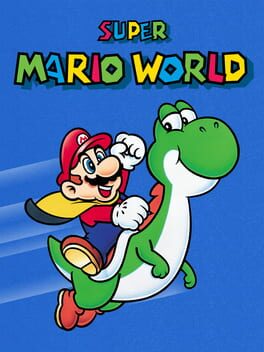 Super Mario World
A 2D platformer and first entry on the SNES in the Super Mario franchise, Super Mario World follows Mario as he attempts to defeat Bowser's underlings and rescue Princess Peach from his clutches. The game features a save system, a less linear world map, an expanded movement arsenal and numerous new items for Mario, alongside new approaches to level design and art direction.
100
/100
02
Super Mario World
A 2D platformer and first entry on the SNES in the Super Mario franchise, Super Mario World follows Mario as he attempts to defeat Bowser's underlings and rescue Princess Peach from his clutches. The game features a save system, a less linear world map, an expanded movement arsenal and numerous new items for Mario, alongside new approaches to level design and art direction.
100
/100
02
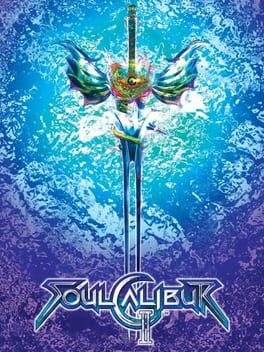 SoulCalibur II
 is the third installment in the Soul series and continues the tradition of his predecessors with improved graphics, new characters and new levels. A majority of the action takes place in Weapon Master mode where you have to choose a character and travel a set map to fight the many other warriors through different levels and challenges. Console ports were released, including guest characters from other franchises. The Arcade version has a unique mode called "Conquest Mode". This mode, which uses a name and password system to save data, allows the player to select one army among four. The player then fights against enemies in a series of eight 1-round battles, win or lose (the first seven are based on the player's rank, and the eighth is chosen by the player – this can only be interrupted by a Versus challenger.) After each round, the player earns EXP and can be promoted, and the game also rates the player in four categories: Soul, Power, Wisdom and Skill. The game also keeps track of which moves the player knows and uses most often. After the eight battles, territory control is updated and the player has the option to fight a bonus round against their character played by the AI.
95
/100
03
SoulCalibur II
SoulCalibur II is the third installment in the Soul series and continues the tradition of his predecessors with improved graphics, new characters and new levels. A majority of the action takes place in Weapon Master mode where you have to choose a character and travel a set map to fight the many other warriors through different levels and challenges. Console ports were released, including guest characters from other franchises. The Arcade version has a unique mode called "Conquest Mode". This mode, which uses a name and password system to save data, allows the player to select one army among four. The player then fights against enemies in a series of eight 1-round battles, win or lose (the first seven are based on the player's rank, and the eighth is chosen by the player – this can only be interrupted by a Versus challenger.) After each round, the player earns EXP and can be promoted, and the game also rates the player in four categories: Soul, Power, Wisdom and Skill. The game also keeps track of which moves the player knows and uses most often. After the eight battles, territory control is updated and the player has the option to fight a bonus round against their character played by the AI.
95
/100
03
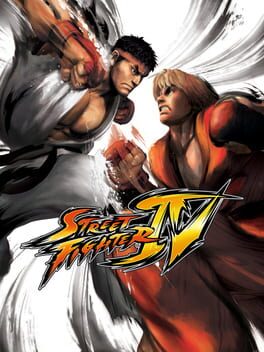 Street Fighter IV
 brings the legendary fighting series back to its roots by taking the beloved fighting moves and techniques of the original Street Fighter II, and infusing them with Capcom’s latest advancements in next generation technology to create a truly extraordinary experience that will re-introduce the world to the time-honored art of virtual martial arts. Newcomers: - Abel - C.Viper - Rufus - El Fuerte - Gouken
91
/100
Street Fighter IV
Street Fighter IV brings the legendary fighting series back to its roots by taking the beloved fighting moves and techniques of the original Street Fighter II, and infusing them with Capcom’s latest advancements in next generation technology to create a truly extraordinary experience that will re-introduce the world to the time-honored art of virtual martial arts. Newcomers: - Abel - C.Viper - Rufus - El Fuerte - Gouken
91
/100
Super Mario World
A 2D platformer and first entry on the SNES in the Super Mario franchise, Super Mario World follows Mario as he attempts to defeat Bowser's underlings and rescue Princess Peach from his clutches. The game features a save system, a less linear world map, an expanded movement arsenal and numerous new items for Mario, alongside new approaches to level design and art direction.
100
/100
02
SoulCalibur II
SoulCalibur II is the third installment in the Soul series and continues the tradition of his predecessors with improved graphics, new characters and new levels. A majority of the action takes place in Weapon Master mode where you have to choose a character and travel a set map to fight the many other warriors through different levels and challenges. Console ports were released, including guest characters from other franchises. The Arcade version has a unique mode called "Conquest Mode". This mode, which uses a name and password system to save data, allows the player to select one army among four. The player then fights against enemies in a series of eight 1-round battles, win or lose (the first seven are based on the player's rank, and the eighth is chosen by the player – this can only be interrupted by a Versus challenger.) After each round, the player earns EXP and can be promoted, and the game also rates the player in four categories: Soul, Power, Wisdom and Skill. The game also keeps track of which moves the player knows and uses most often. After the eight battles, territory control is updated and the player has the option to fight a bonus round against their character played by the AI.
95
/100
03
Street Fighter IV
Street Fighter IV brings the legendary fighting series back to its roots by taking the beloved fighting moves and techniques of the original Street Fighter II, and infusing them with Capcom’s latest advancements in next generation technology to create a truly extraordinary experience that will re-introduce the world to the time-honored art of virtual martial arts. Newcomers: - Abel - C.Viper - Rufus - El Fuerte - Gouken
91
/100
04
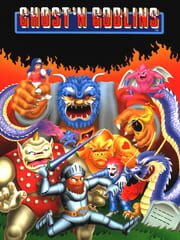 Ghosts 'n Goblins
 is a platform game where the player controls a knight, named Sir Arthur, who must defeat zombies, ogres, demons, cyclops, dragons and other monsters in order to rescue Princess Prin Prin, who has been kidnapped by Satan, king of Demon World. Along the way the player can pick up new weapons, bonuses and extra suits of armor that can help in this task. The game is often considered very difficult by arcade standards and is commonly regarded as one of the most difficult games ever released. The game is considered by Gametrailers.com to be the world's second most difficult game ever made. The player can only be hit twice before losing a life (the first hit takes away Arthur's armor, and the player must continue on in his underwear until completing the level, or finding replacement armor). If the player loses a life, he is returned to the start of the level, or the halfway point if he has managed to get that far. Furthermore, each life can only last a certain length of time (generally around three minutes), the clock being reset at the start of a level. If the clock does run out, the player instantly loses that life. After defeating the final boss, but only with the cross weapon (if the player does not have the cross weapon, they will be prompted that it is needed to defeat the boss and restart at the beginning of level 5 and must repeat round 5 and 6 again regardless if the weapon is obtained immediately or not) for the first time the player is informed that the battle was "a trap devised by Satan". The player must then replay the entire game on a higher difficulty level to reach the genuine final battle.
90
/100
05
Ghosts 'n Goblins
Ghosts 'n Goblins is a platform game where the player controls a knight, named Sir Arthur, who must defeat zombies, ogres, demons, cyclops, dragons and other monsters in order to rescue Princess Prin Prin, who has been kidnapped by Satan, king of Demon World. Along the way the player can pick up new weapons, bonuses and extra suits of armor that can help in this task. The game is often considered very difficult by arcade standards and is commonly regarded as one of the most difficult games ever released. The game is considered by Gametrailers.com to be the world's second most difficult game ever made. The player can only be hit twice before losing a life (the first hit takes away Arthur's armor, and the player must continue on in his underwear until completing the level, or finding replacement armor). If the player loses a life, he is returned to the start of the level, or the halfway point if he has managed to get that far. Furthermore, each life can only last a certain length of time (generally around three minutes), the clock being reset at the start of a level. If the clock does run out, the player instantly loses that life. After defeating the final boss, but only with the cross weapon (if the player does not have the cross weapon, they will be prompted that it is needed to defeat the boss and restart at the beginning of level 5 and must repeat round 5 and 6 again regardless if the weapon is obtained immediately or not) for the first time the player is informed that the battle was "a trap devised by Satan". The player must then replay the entire game on a higher difficulty level to reach the genuine final battle.
90
/100
05
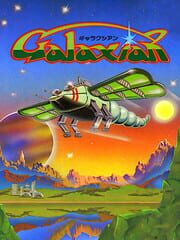 Galaxian
 is a shooter arcade game developed by Namco in 1979. It was released by Namco in Japan and a few months later by Midway Games in North America. The game was developed to compete with Taito Corporation's Space Invaders, released a year earlier, and featured a similar space theme. The player controls a space ship in the bottom part of the screen and shoots at enemies descending from the top of the screen. The game was received very well by the public and has continued to be a game with a competitive community to this day. It was followed by a successful sequel called Galaga in 1981 and two less known sequels called Gaplus in 1984 and Galaga '88 in 1987. Galaxian was one of the most popular games in the golden age of arcade video games.
90
/100
06
Galaxian
Galaxian is a shooter arcade game developed by Namco in 1979. It was released by Namco in Japan and a few months later by Midway Games in North America. The game was developed to compete with Taito Corporation's Space Invaders, released a year earlier, and featured a similar space theme. The player controls a space ship in the bottom part of the screen and shoots at enemies descending from the top of the screen. The game was received very well by the public and has continued to be a game with a competitive community to this day. It was followed by a successful sequel called Galaga in 1981 and two less known sequels called Gaplus in 1984 and Galaga '88 in 1987. Galaxian was one of the most popular games in the golden age of arcade video games.
90
/100
06
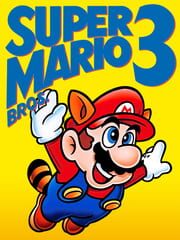 Super Mario Bros. 3
, the third entry in the Super Mario Bros. series and Super Mario franchise, sees Mario or Luigi navigate a nonlinear world map containing platforming levels and optional minigames and challenges. The game features more diverse movement options and new items alongside more complex level designs and boss battles.
89
/100
07
Super Mario Bros. 3
Super Mario Bros. 3, the third entry in the Super Mario Bros. series and Super Mario franchise, sees Mario or Luigi navigate a nonlinear world map containing platforming levels and optional minigames and challenges. The game features more diverse movement options and new items alongside more complex level designs and boss battles.
89
/100
07
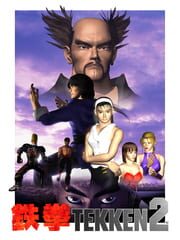 Tekken 2 (1995)
Tekken 2 is the second game in the Tekken series, it made various improvements over its predecessor in terms of graphics and features. All the characters from Tekken returned and eight new characters were added to the character roster along with new moves and combos.
89
/100
08
Tekken 2 (1995)
Tekken 2 is the second game in the Tekken series, it made various improvements over its predecessor in terms of graphics and features. All the characters from Tekken returned and eight new characters were added to the character roster along with new moves and combos.
89
/100
08
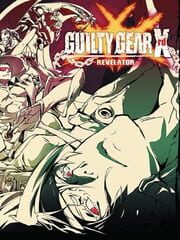 Guilty Gear Xrd -REVELATOR
Guilty Gear Xrd: Revelator is a Japanese fighting game and the updated version of Guilty Gear Xrd: Sign. The updated version adds new characters Jack-O, Johnny, and Jam Kuradoberi, as well as updated mechanics, balancing, systems, M.O.M. Mode, and more.
86
/100
09
Guilty Gear Xrd -REVELATOR
Guilty Gear Xrd: Revelator is a Japanese fighting game and the updated version of Guilty Gear Xrd: Sign. The updated version adds new characters Jack-O, Johnny, and Jam Kuradoberi, as well as updated mechanics, balancing, systems, M.O.M. Mode, and more.
86
/100
09
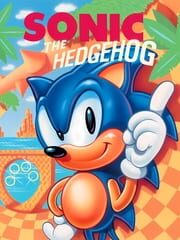 Sonic the Hedgehog
 is a 2D side-scrolling platformer developed by Sonic Team and published by Sega for the Genesis/Mega Drive. Players control Sonic the Hedgehog, who can run at near supersonic speeds and sets out on a quest to defeat Dr. Robotnik, a scientist who has imprisoned animals in robots and seeks the powerful Chaos Emeralds.
85
/100
10
Sonic the Hedgehog
Sonic the Hedgehog is a 2D side-scrolling platformer developed by Sonic Team and published by Sega for the Genesis/Mega Drive. Players control Sonic the Hedgehog, who can run at near supersonic speeds and sets out on a quest to defeat Dr. Robotnik, a scientist who has imprisoned animals in robots and seeks the powerful Chaos Emeralds.
85
/100
10
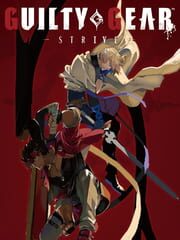 Guilty Gear -Strive
Discover the Smell of the Game with Guilty Gear: Strive! Immerse yourself in new gameplay mechanics designed to be simple and welcoming for fighting game newcomers, yet deep and creative for veterans. Ride the Fire into a heavy metal inspired alternate future full of over-the-top action, style and fun!
85
/100
11
Guilty Gear -Strive
Discover the Smell of the Game with Guilty Gear: Strive! Immerse yourself in new gameplay mechanics designed to be simple and welcoming for fighting game newcomers, yet deep and creative for veterans. Ride the Fire into a heavy metal inspired alternate future full of over-the-top action, style and fun!
85
/100
11
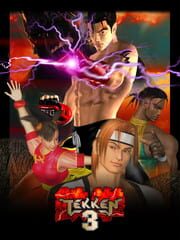 Tekken 3
84
/100
12
Tekken 3
84
/100
12
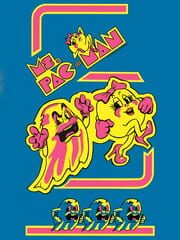 Ms. Pac-Man
84
/100
13
Ms. Pac-Man
84
/100
13
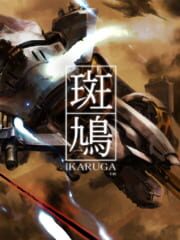 Ikaruga
84
/100
14
Ikaruga
84
/100
14
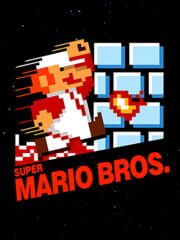 Super Mario Bros.
84
/100
15
Super Mario Bros.
84
/100
15
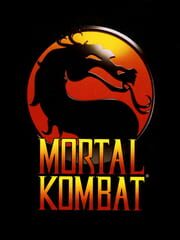 Mortal Kombat
83
/100
16
Mortal Kombat
83
/100
16
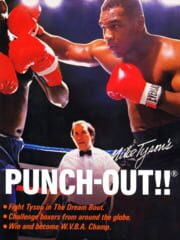 Mike Tyson's Punch-Out!!
83
/100
17
Mike Tyson's Punch-Out!!
83
/100
17
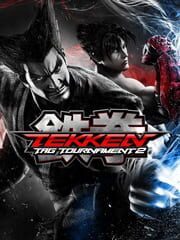 Tekken Tag Tournament 2
83
/100
18
Tekken Tag Tournament 2
83
/100
18
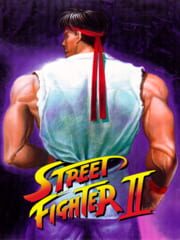 B
Street Fighter II
83
/100
19
B
Street Fighter II
83
/100
19
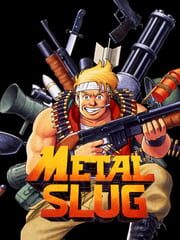 Metal Slug
82
/100
20
Metal Slug
82
/100
20
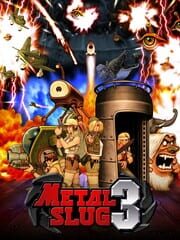 Metal Slug 3
82
/100
21
Metal Slug 3
82
/100
21
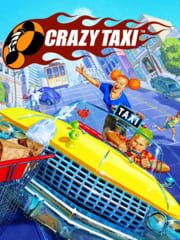 Crazy Taxi (1999)
82
/100
22
Crazy Taxi (1999)
82
/100
22
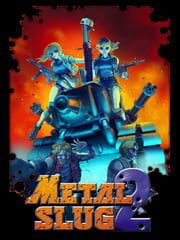 METAL SLUG 2
82
/100
23
METAL SLUG 2
82
/100
23
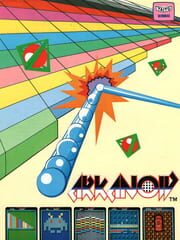 Arkanoid
81
/100
24
Arkanoid
81
/100
24
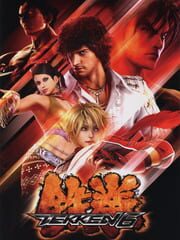 TEKKEN 6
80
/100
25
TEKKEN 6
80
/100
25
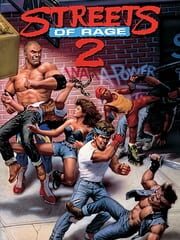 Streets of Rage 2
80
/100
26
Streets of Rage 2
80
/100
26
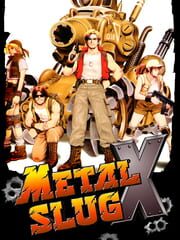 Metal Slug X
80
/100
27
Metal Slug X
80
/100
27
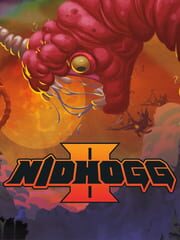 Nidhogg 2
80
/100
28
Nidhogg 2
80
/100
28
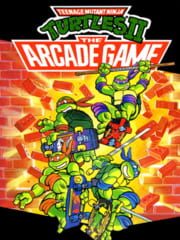 Teenage Mutant Ninja Turtles II: The Arcade Game
80
/100
29
Teenage Mutant Ninja Turtles II: The Arcade Game
80
/100
29
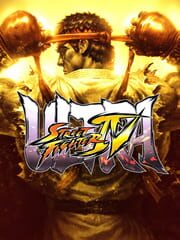 Ultra Street Fighter IV
79
/100
30
Ultra Street Fighter IV
79
/100
30
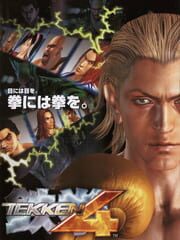 Tekken 4
79
/100
31
Tekken 4
79
/100
31
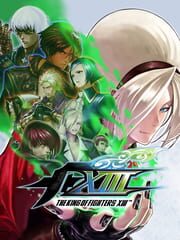 The King of Fighters XIII
79
/100
32
The King of Fighters XIII
79
/100
32
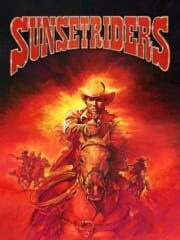 Sunset Riders
79
/100
33
Sunset Riders
79
/100
33
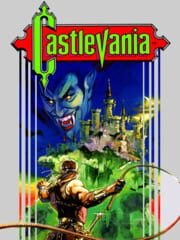 Castlevania
79
/100
34
Castlevania
79
/100
34
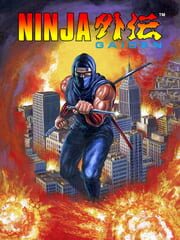 Ninja Gaiden
79
/100
35
Ninja Gaiden
79
/100
35
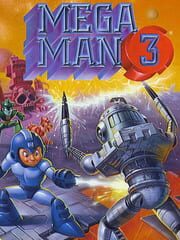 Mega Man 3 (1990)
79
/100
36
Mega Man 3 (1990)
79
/100
36
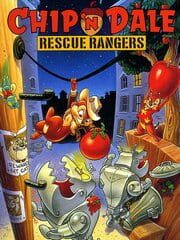 Chip 'n Dale Rescue Rangers
79
/100
37
Chip 'n Dale Rescue Rangers
79
/100
37
 Race Driver: Grid
78
/100
38
Race Driver: Grid
78
/100
38
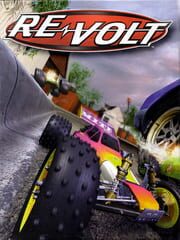 Re-Volt
78
/100
39
Re-Volt
78
/100
39
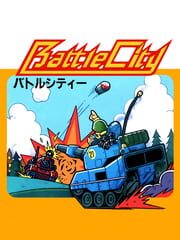 Battle City
78
/100
40
Battle City
78
/100
40
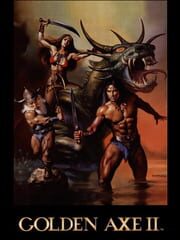 Golden Axe II (1991)
77
/100
41
Golden Axe II (1991)
77
/100
41
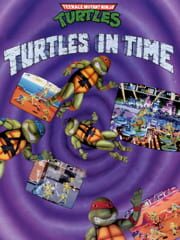 Teenage Mutant Ninja Turtles IV: Turtles in Time
77
/100
42
Teenage Mutant Ninja Turtles IV: Turtles in Time
77
/100
42
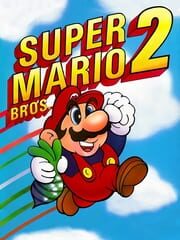 Super Mario Bros. 2
77
/100
43
Super Mario Bros. 2
77
/100
43
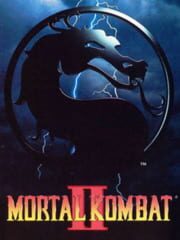 Mortal Kombat II
76
/100
44
Mortal Kombat II
76
/100
44
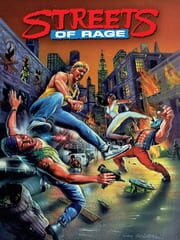 Streets of Rage
76
/100
45
Streets of Rage
76
/100
45
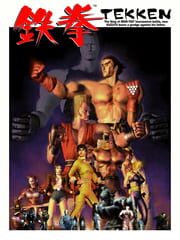 Tekken (1994)
75
/100
46
Tekken (1994)
75
/100
46
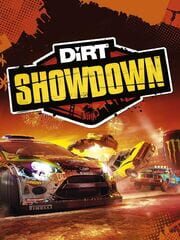 DiRT Showdown
74
/100
47
DiRT Showdown
74
/100
47
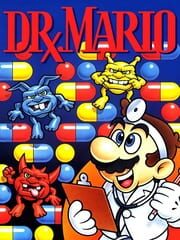 Dr. Mario
72
/100
48
Dr. Mario
72
/100
48
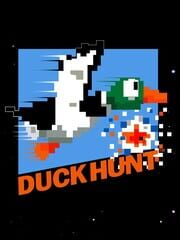 Duck Hunt
72
/100
49
Duck Hunt
72
/100
49
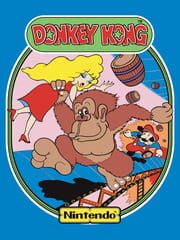 Donkey Kong
72
/100
50
Donkey Kong
72
/100
50
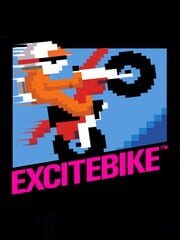 Excitebike
71
/100
Excitebike
71
/100
Ghosts 'n Goblins
Ghosts 'n Goblins is a platform game where the player controls a knight, named Sir Arthur, who must defeat zombies, ogres, demons, cyclops, dragons and other monsters in order to rescue Princess Prin Prin, who has been kidnapped by Satan, king of Demon World. Along the way the player can pick up new weapons, bonuses and extra suits of armor that can help in this task. The game is often considered very difficult by arcade standards and is commonly regarded as one of the most difficult games ever released. The game is considered by Gametrailers.com to be the world's second most difficult game ever made. The player can only be hit twice before losing a life (the first hit takes away Arthur's armor, and the player must continue on in his underwear until completing the level, or finding replacement armor). If the player loses a life, he is returned to the start of the level, or the halfway point if he has managed to get that far. Furthermore, each life can only last a certain length of time (generally around three minutes), the clock being reset at the start of a level. If the clock does run out, the player instantly loses that life. After defeating the final boss, but only with the cross weapon (if the player does not have the cross weapon, they will be prompted that it is needed to defeat the boss and restart at the beginning of level 5 and must repeat round 5 and 6 again regardless if the weapon is obtained immediately or not) for the first time the player is informed that the battle was "a trap devised by Satan". The player must then replay the entire game on a higher difficulty level to reach the genuine final battle.
90
/100
05
Galaxian
Galaxian is a shooter arcade game developed by Namco in 1979. It was released by Namco in Japan and a few months later by Midway Games in North America. The game was developed to compete with Taito Corporation's Space Invaders, released a year earlier, and featured a similar space theme. The player controls a space ship in the bottom part of the screen and shoots at enemies descending from the top of the screen. The game was received very well by the public and has continued to be a game with a competitive community to this day. It was followed by a successful sequel called Galaga in 1981 and two less known sequels called Gaplus in 1984 and Galaga '88 in 1987. Galaxian was one of the most popular games in the golden age of arcade video games.
90
/100
06
Super Mario Bros. 3
Super Mario Bros. 3, the third entry in the Super Mario Bros. series and Super Mario franchise, sees Mario or Luigi navigate a nonlinear world map containing platforming levels and optional minigames and challenges. The game features more diverse movement options and new items alongside more complex level designs and boss battles.
89
/100
07
Tekken 2 (1995)
Tekken 2 is the second game in the Tekken series, it made various improvements over its predecessor in terms of graphics and features. All the characters from Tekken returned and eight new characters were added to the character roster along with new moves and combos.
89
/100
08
Guilty Gear Xrd -REVELATOR
Guilty Gear Xrd: Revelator is a Japanese fighting game and the updated version of Guilty Gear Xrd: Sign. The updated version adds new characters Jack-O, Johnny, and Jam Kuradoberi, as well as updated mechanics, balancing, systems, M.O.M. Mode, and more.
86
/100
09
Sonic the Hedgehog
Sonic the Hedgehog is a 2D side-scrolling platformer developed by Sonic Team and published by Sega for the Genesis/Mega Drive. Players control Sonic the Hedgehog, who can run at near supersonic speeds and sets out on a quest to defeat Dr. Robotnik, a scientist who has imprisoned animals in robots and seeks the powerful Chaos Emeralds.
85
/100
10
Guilty Gear -Strive
Discover the Smell of the Game with Guilty Gear: Strive! Immerse yourself in new gameplay mechanics designed to be simple and welcoming for fighting game newcomers, yet deep and creative for veterans. Ride the Fire into a heavy metal inspired alternate future full of over-the-top action, style and fun!
85
/100
11
Tekken 3
84
/100
12
Ms. Pac-Man
84
/100
13
Ikaruga
84
/100
14
Super Mario Bros.
84
/100
15
Mortal Kombat
83
/100
16
Mike Tyson's Punch-Out!!
83
/100
17
Tekken Tag Tournament 2
83
/100
18
B
Street Fighter II
83
/100
19
Metal Slug
82
/100
20
Metal Slug 3
82
/100
21
Crazy Taxi (1999)
82
/100
22
METAL SLUG 2
82
/100
23
Arkanoid
81
/100
24
TEKKEN 6
80
/100
25
Streets of Rage 2
80
/100
26
Metal Slug X
80
/100
27
Nidhogg 2
80
/100
28
Teenage Mutant Ninja Turtles II: The Arcade Game
80
/100
29
Ultra Street Fighter IV
79
/100
30
Tekken 4
79
/100
31
The King of Fighters XIII
79
/100
32
Sunset Riders
79
/100
33
Castlevania
79
/100
34
Ninja Gaiden
79
/100
35
Mega Man 3 (1990)
79
/100
36
Chip 'n Dale Rescue Rangers
79
/100
37
Race Driver: Grid
78
/100
38
Re-Volt
78
/100
39
Battle City
78
/100
40
Golden Axe II (1991)
77
/100
41
Teenage Mutant Ninja Turtles IV: Turtles in Time
77
/100
42
Super Mario Bros. 2
77
/100
43
Mortal Kombat II
76
/100
44
Streets of Rage
76
/100
45
Tekken (1994)
75
/100
46
DiRT Showdown
74
/100
47
Dr. Mario
72
/100
48
Duck Hunt
72
/100
49
Donkey Kong
72
/100
50
Excitebike
71
/100
Frequently asked questions
Vilket är det bästa Arcade-spelet?
Super Mario World toppar just nu rankningen med ett betyg på 100/100 från 1,964 omdömen. Rankningen uppdaterades september 2026.
Hur byggs den här rankningen?
Spelen rankas efter sitt sammanvägda kritikerbetyg av 100, med en lägsta röstgräns så att en enda lovordande recension aldrig går om en beprövad klassiker; Tier-communityts egna betyg från F till S visas bredvid varje spel.