Beste games
De beste Nintendo EAD Software Development Group No.3-games
De 8 beste games van Nintendo EAD Software Development Group No.3, gerangschikt op 4,204 beoordelingen van critici en spelers.
De beste Nintendo EAD Software Development Group No.3-game is The Legend of Zelda: Twilight Princess, met een criticusscore van 98/100. Bijgewerkt in september 2026.
- De gerangschikte releases lopen van 2000 tot 2013.
- Gemiddelde criticusscore van de 8 gerangschikte games: 91/100.
- 4,204 beoordelingen van critici en spelers achter deze ranglijst.
Hoe deze ranglijst is opgebouwd
- Games worden gerangschikt op de samengestelde criticiscore op 100 die van IGDB en Metacritic komt, nooit op de eigen scores van Tier.
- Een game komt pas in de ranglijst vanaf 80 externe beoordelingen, zodat één enthousiaste recensie nooit een bewezen klassieker voorbijstreeft.
- De community-scores van F tot S staan naast elke game en worden pas als feit gesteld boven 5 Tier-beoordelingen.
- Gedekte releaseperiode: 1970 tot 2026.
- 8 games staan op deze pagina, samen goed voor 4,204 beoordelingen.
- De ranglijsten worden elk uur herberekend; deze is op 29 september 2026 opnieuw opgebouwd.
Top 8
01
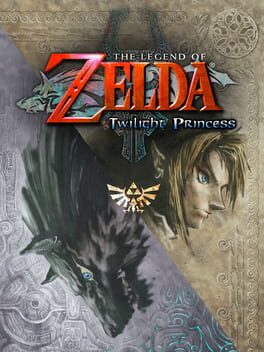 The Legend of Zelda: Twilight Princess
 was initially developed with the Nintendo GameCube in mind, but ended up receiving a Wii port when it was released to promote the new console. This version has motion control compatibility for the sword and pointer controls for the menus, the bow and the boomerang. This version of the game has a completely inverted map and locations when comparing with the GameCube release. The change in layout was meant to adapt Link's usually left-handed design to right-handed people, given the motion controls.
98
/100
02
The Legend of Zelda: Twilight Princess
The Legend of Zelda: Twilight Princess was initially developed with the Nintendo GameCube in mind, but ended up receiving a Wii port when it was released to promote the new console. This version has motion control compatibility for the sword and pointer controls for the menus, the bow and the boomerang. This version of the game has a completely inverted map and locations when comparing with the GameCube release. The change in layout was meant to adapt Link's usually left-handed design to right-handed people, given the motion controls.
98
/100
02
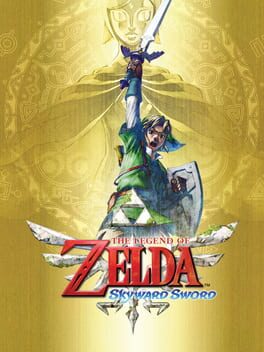 The Legend of Zelda: Skyward Sword
 is the first Zelda game created specifically with the Wii in mind. The game makes use of the Wii MotionPlus peripheral for sword fighting, with a revised Wii Remote pointing system used for targeting. Skyward Sword is structured very similar to previous Zelda games, as you travel through an overworld in search of temples to visit and once in you solve a series of puzzles before fighting a boss at the end and receive the next bit of plot. The biggest change is that the overworld is more focused on puzzles with only a handful of action.
93
/100
03
The Legend of Zelda: Skyward Sword
The Legend of Zelda: Skyward Sword is the first Zelda game created specifically with the Wii in mind. The game makes use of the Wii MotionPlus peripheral for sword fighting, with a revised Wii Remote pointing system used for targeting. Skyward Sword is structured very similar to previous Zelda games, as you travel through an overworld in search of temples to visit and once in you solve a series of puzzles before fighting a boss at the end and receive the next bit of plot. The biggest change is that the overworld is more focused on puzzles with only a handful of action.
93
/100
03
 A
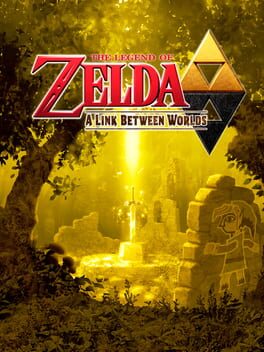
The Legend of Zelda: A Link Between Worlds
The Legend of Zelda: A Link Between Worlds is the first Zelda game made exclusively for the Nintendo 3DS. It is an indirect sequel to A Link to the Past with the same version of Hyrule but with new characters and gameplay elements. Unlike the series' tradition, many areas of the world are accessible from the beginning of the game and the dungeons can be visited in any order. Puzzles are encountered not only in dungeons but also in the open world, a part of them revolves around the game's 3D visual effect. The 3DS touch-screen display shows the world, dungeon or map depending on where you are.
92
/100
A
The Legend of Zelda: A Link Between Worlds
The Legend of Zelda: A Link Between Worlds is the first Zelda game made exclusively for the Nintendo 3DS. It is an indirect sequel to A Link to the Past with the same version of Hyrule but with new characters and gameplay elements. Unlike the series' tradition, many areas of the world are accessible from the beginning of the game and the dungeons can be visited in any order. Puzzles are encountered not only in dungeons but also in the open world, a part of them revolves around the game's 3D visual effect. The 3DS touch-screen display shows the world, dungeon or map depending on where you are.
92
/100
The Legend of Zelda: Twilight Princess
The Legend of Zelda: Twilight Princess was initially developed with the Nintendo GameCube in mind, but ended up receiving a Wii port when it was released to promote the new console. This version has motion control compatibility for the sword and pointer controls for the menus, the bow and the boomerang. This version of the game has a completely inverted map and locations when comparing with the GameCube release. The change in layout was meant to adapt Link's usually left-handed design to right-handed people, given the motion controls.
98
/100
02
The Legend of Zelda: Skyward Sword
The Legend of Zelda: Skyward Sword is the first Zelda game created specifically with the Wii in mind. The game makes use of the Wii MotionPlus peripheral for sword fighting, with a revised Wii Remote pointing system used for targeting. Skyward Sword is structured very similar to previous Zelda games, as you travel through an overworld in search of temples to visit and once in you solve a series of puzzles before fighting a boss at the end and receive the next bit of plot. The biggest change is that the overworld is more focused on puzzles with only a handful of action.
93
/100
03
A
The Legend of Zelda: A Link Between Worlds
The Legend of Zelda: A Link Between Worlds is the first Zelda game made exclusively for the Nintendo 3DS. It is an indirect sequel to A Link to the Past with the same version of Hyrule but with new characters and gameplay elements. Unlike the series' tradition, many areas of the world are accessible from the beginning of the game and the dungeons can be visited in any order. Puzzles are encountered not only in dungeons but also in the open world, a part of them revolves around the game's 3D visual effect. The 3DS touch-screen display shows the world, dungeon or map depending on where you are.
92
/100
04
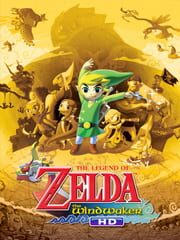 The Legend of Zelda: The Wind Waker HD
 is a remaster of The Wind Waker with an alternate recreation of the original's art style, several gameplay adjustments, a new lighting engine and higher resolution textures.
90
/100
05
The Legend of Zelda: The Wind Waker HD
The Legend of Zelda: The Wind Waker HD is a remaster of The Wind Waker with an alternate recreation of the original's art style, several gameplay adjustments, a new lighting engine and higher resolution textures.
90
/100
05
 A
The Legend of Zelda: The Wind Waker
The Legend of Zelda: The Wind Waker is the first Zelda game for the Nintendo GameCube and also the first in the series to employ cel-shading, a lighting and texturing technique that results in the game having a cartoon-like appearance. Like its predecessors, The Wind Waker is an action game with puzzle-solving and light role-playing elements. Basic gameplay mechanics are similar to those found in Ocarina of Time, but it differentiates itself with its massive Great Sea which must be explored using a boat named King of Red Lions.
90
/100
06
A
The Legend of Zelda: The Wind Waker
The Legend of Zelda: The Wind Waker is the first Zelda game for the Nintendo GameCube and also the first in the series to employ cel-shading, a lighting and texturing technique that results in the game having a cartoon-like appearance. Like its predecessors, The Wind Waker is an action game with puzzle-solving and light role-playing elements. Basic gameplay mechanics are similar to those found in Ocarina of Time, but it differentiates itself with its massive Great Sea which must be explored using a boat named King of Red Lions.
90
/100
06
 S
The Legend of Zelda: Majora's Mask
The Legend of Zelda: Majora's Mask is a direct sequel to Ocarina of Time, it utilizes the same engine and visual style as its predecessor. The game retains the traditional elements of Zelda games as well as those introduced in Ocarina of Time, such as active blocking with a shield, various throwing items, and the usage of melodies played on the ocarina to solve puzzles. Compared to the previous Zelda games, this installment is more oriented towards interaction with NPCs and has a larger variety of items, optional quests, and mini-games. It also includes a time system that spans three days, and this cycle must be reset periodically to progress through the game.
90
/100
07
S
The Legend of Zelda: Majora's Mask
The Legend of Zelda: Majora's Mask is a direct sequel to Ocarina of Time, it utilizes the same engine and visual style as its predecessor. The game retains the traditional elements of Zelda games as well as those introduced in Ocarina of Time, such as active blocking with a shield, various throwing items, and the usage of melodies played on the ocarina to solve puzzles. Compared to the previous Zelda games, this installment is more oriented towards interaction with NPCs and has a larger variety of items, optional quests, and mini-games. It also includes a time system that spans three days, and this cycle must be reset periodically to progress through the game.
90
/100
07
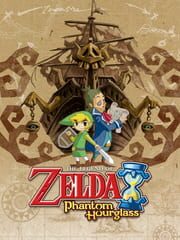 The Legend of Zelda: Phantom Hourglass
 is the first Zelda game for the Nintendo DS and a direct sequel to The Wind Waker. The art direction is the same cel-shaded style as the Wind Waker but is displayed from a classic top-down perspective. The gameplay is structured similarly to other games in the series and is divided into two major gameplay sections: sailing between islands and exploring the islands and their dungeons on foot. The touch screen is used to make Link move and attack instead of buttons, you can also make notes of secret treasures and items on the map simply by writing them down. The game received critical acclaim from reviewers, who agreed that the game was a worthy sequel to The Wind Waker.
90
/100
08
The Legend of Zelda: Phantom Hourglass
The Legend of Zelda: Phantom Hourglass is the first Zelda game for the Nintendo DS and a direct sequel to The Wind Waker. The art direction is the same cel-shaded style as the Wind Waker but is displayed from a classic top-down perspective. The gameplay is structured similarly to other games in the series and is divided into two major gameplay sections: sailing between islands and exploring the islands and their dungeons on foot. The touch screen is used to make Link move and attack instead of buttons, you can also make notes of secret treasures and items on the map simply by writing them down. The game received critical acclaim from reviewers, who agreed that the game was a worthy sequel to The Wind Waker.
90
/100
08
 The Legend of Zelda: Spirit Tracks
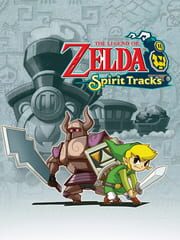
 is the second Zelda game for the Nintendo DS. The art direction is still cel-shading, but the game have notable changes from Phantom Hourglass with more puzzles and a new mode of transportation by train. You have to draw your route to the next area on the map and then let the train run its course. While the train is moving, caution will be needed to avoid obstacles, animals and enemies on the tracks. In certain dungeons, both Link and Zelda will be playable as they will need to work together to solve puzzles.
87
/100
The Legend of Zelda: Spirit Tracks
The Legend of Zelda: Spirit Tracks is the second Zelda game for the Nintendo DS. The art direction is still cel-shading, but the game have notable changes from Phantom Hourglass with more puzzles and a new mode of transportation by train. You have to draw your route to the next area on the map and then let the train run its course. While the train is moving, caution will be needed to avoid obstacles, animals and enemies on the tracks. In certain dungeons, both Link and Zelda will be playable as they will need to work together to solve puzzles.
87
/100
The Legend of Zelda: The Wind Waker HD
The Legend of Zelda: The Wind Waker HD is a remaster of The Wind Waker with an alternate recreation of the original's art style, several gameplay adjustments, a new lighting engine and higher resolution textures.
90
/100
05
A
The Legend of Zelda: The Wind Waker
The Legend of Zelda: The Wind Waker is the first Zelda game for the Nintendo GameCube and also the first in the series to employ cel-shading, a lighting and texturing technique that results in the game having a cartoon-like appearance. Like its predecessors, The Wind Waker is an action game with puzzle-solving and light role-playing elements. Basic gameplay mechanics are similar to those found in Ocarina of Time, but it differentiates itself with its massive Great Sea which must be explored using a boat named King of Red Lions.
90
/100
06
S
The Legend of Zelda: Majora's Mask
The Legend of Zelda: Majora's Mask is a direct sequel to Ocarina of Time, it utilizes the same engine and visual style as its predecessor. The game retains the traditional elements of Zelda games as well as those introduced in Ocarina of Time, such as active blocking with a shield, various throwing items, and the usage of melodies played on the ocarina to solve puzzles. Compared to the previous Zelda games, this installment is more oriented towards interaction with NPCs and has a larger variety of items, optional quests, and mini-games. It also includes a time system that spans three days, and this cycle must be reset periodically to progress through the game.
90
/100
07
The Legend of Zelda: Phantom Hourglass
The Legend of Zelda: Phantom Hourglass is the first Zelda game for the Nintendo DS and a direct sequel to The Wind Waker. The art direction is the same cel-shaded style as the Wind Waker but is displayed from a classic top-down perspective. The gameplay is structured similarly to other games in the series and is divided into two major gameplay sections: sailing between islands and exploring the islands and their dungeons on foot. The touch screen is used to make Link move and attack instead of buttons, you can also make notes of secret treasures and items on the map simply by writing them down. The game received critical acclaim from reviewers, who agreed that the game was a worthy sequel to The Wind Waker.
90
/100
08
The Legend of Zelda: Spirit Tracks
The Legend of Zelda: Spirit Tracks is the second Zelda game for the Nintendo DS. The art direction is still cel-shading, but the game have notable changes from Phantom Hourglass with more puzzles and a new mode of transportation by train. You have to draw your route to the next area on the map and then let the train run its course. While the train is moving, caution will be needed to avoid obstacles, animals and enemies on the tracks. In certain dungeons, both Link and Zelda will be playable as they will need to work together to solve puzzles.
87
/100
Veelgestelde vragen
Wat is de beste Nintendo EAD Software Development Group No.3-game?
The Legend of Zelda: Twilight Princess voert de ranglijst momenteel aan met een score van 98/100 uit 493 beoordelingen. Ranglijst bijgewerkt in september 2026.
Hoe komt deze ranglijst tot stand?
Games worden gerangschikt op hun geaggregeerde critic score op 100, met een minimumdrempel aan stemmen zodat één lovende recensie nooit een bewezen klassieker voorbijstreeft; de F-tot-S-grades van de Tier-community staan naast elke game.