

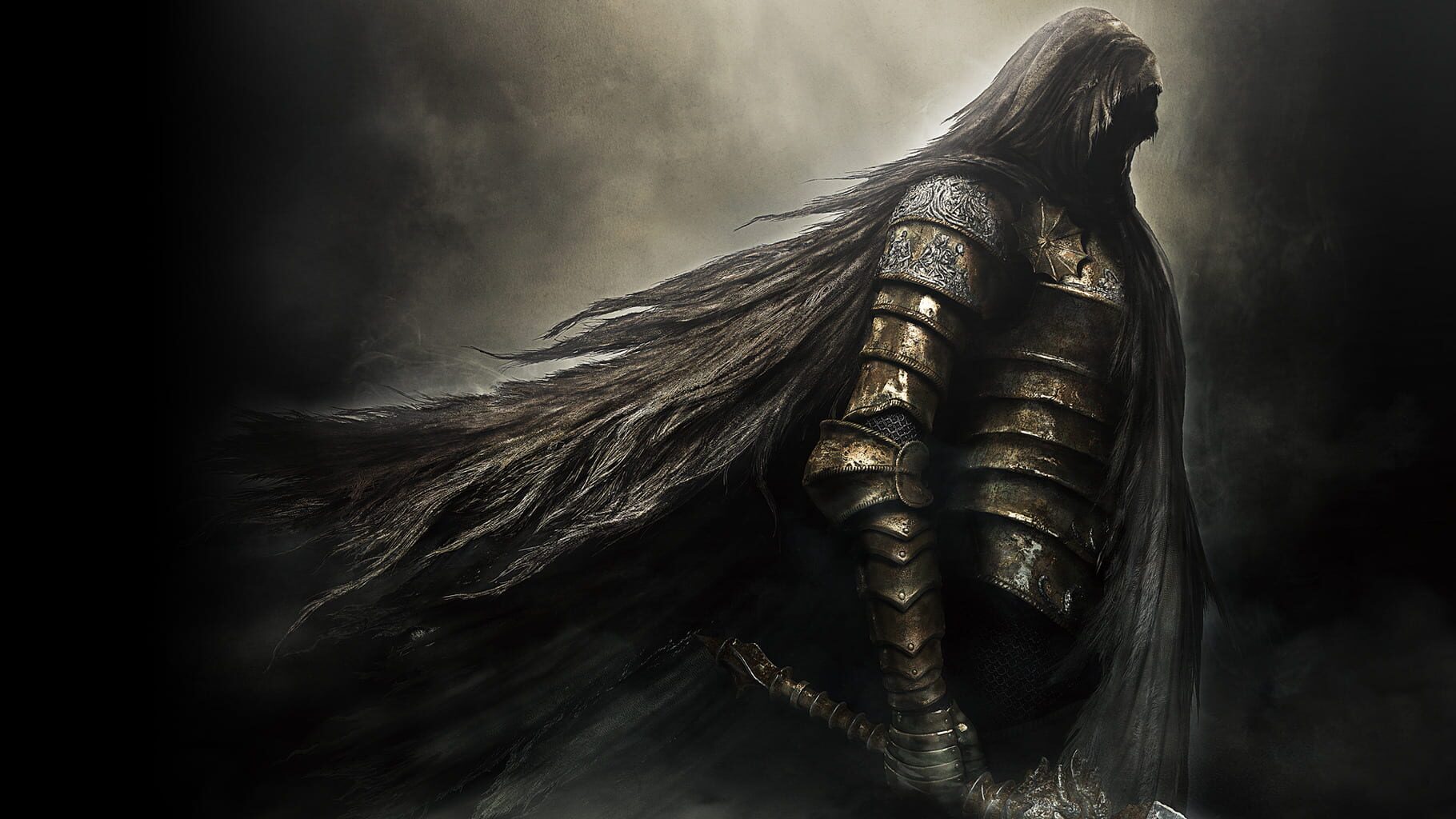
Over a decade since its release, Dark Souls II: Scholar of the First Sin remains a divisive entry in the Souls series, yet its unique gameplay loop offers a distinctive experience that merits a second look.
The claim
Many players dismiss Dark Souls II as the black sheep of the franchise, but I argue that its gameplay mechanics and design choices create a compelling experience that stands apart from its siblings.
The evidence
At its core, Dark Souls II introduces a unique twist on the traditional Souls formula, particularly through its New Game+ system. This system significantly alters enemy placements and introduces new NPCs, creating a fresh experience for players revisiting the game. The ability to use Bonfire Ascetics allows players to increase the difficulty of specific areas, thus enhancing the replayability and encouraging exploration of different strategies.
The counter-view
Critics often cite the game's sluggish movement and combat mechanics as a detriment, arguing that it feels less fluid compared to Dark Souls and Dark Souls III. This perception is rooted in the game's design philosophy, which seems to prioritize challenge over accessibility. For new players, the initial experience can be frustrating, leading to a perception of the game as overly punishing.
Why I land here
Despite its challenges, I believe Dark Souls II excels in creating a sense of tension and discovery. The game’s world, Drangleic, is filled with hidden paths and secrets that reward exploration. The introduction of traps in loot chests adds an element of risk to treasure hunting, enhancing the overall tension during exploration. As noted in a review, the game’s mechanics encourage players to engage with its environment more deeply, making every encounter feel significant.
What it means for players
For those willing to embrace its quirks, Dark Souls II offers one of the most robust gameplay experiences in the series. Its unique mechanics, such as the Bonfire Ascetics and the New Game+ system, allow for a diverse range of playstyles and strategies. This depth is often overlooked in favor of the more polished entries in the franchise, but those who take the time to engage with Dark Souls II will find a game that rewards patience and exploration.
"Despite all its perceived flaws, Dark Souls II represents the franchise at its most experimental, pushing the boundaries of what a Souls game can be."
Open questions
- How do the game’s mechanics compare to the latest FromSoftware titles?
- Can Dark Souls II find a new audience among players who prefer modern gameplay styles?
- What lessons can be learned from Dark Souls II for future FromSoftware titles?



Comments 0