

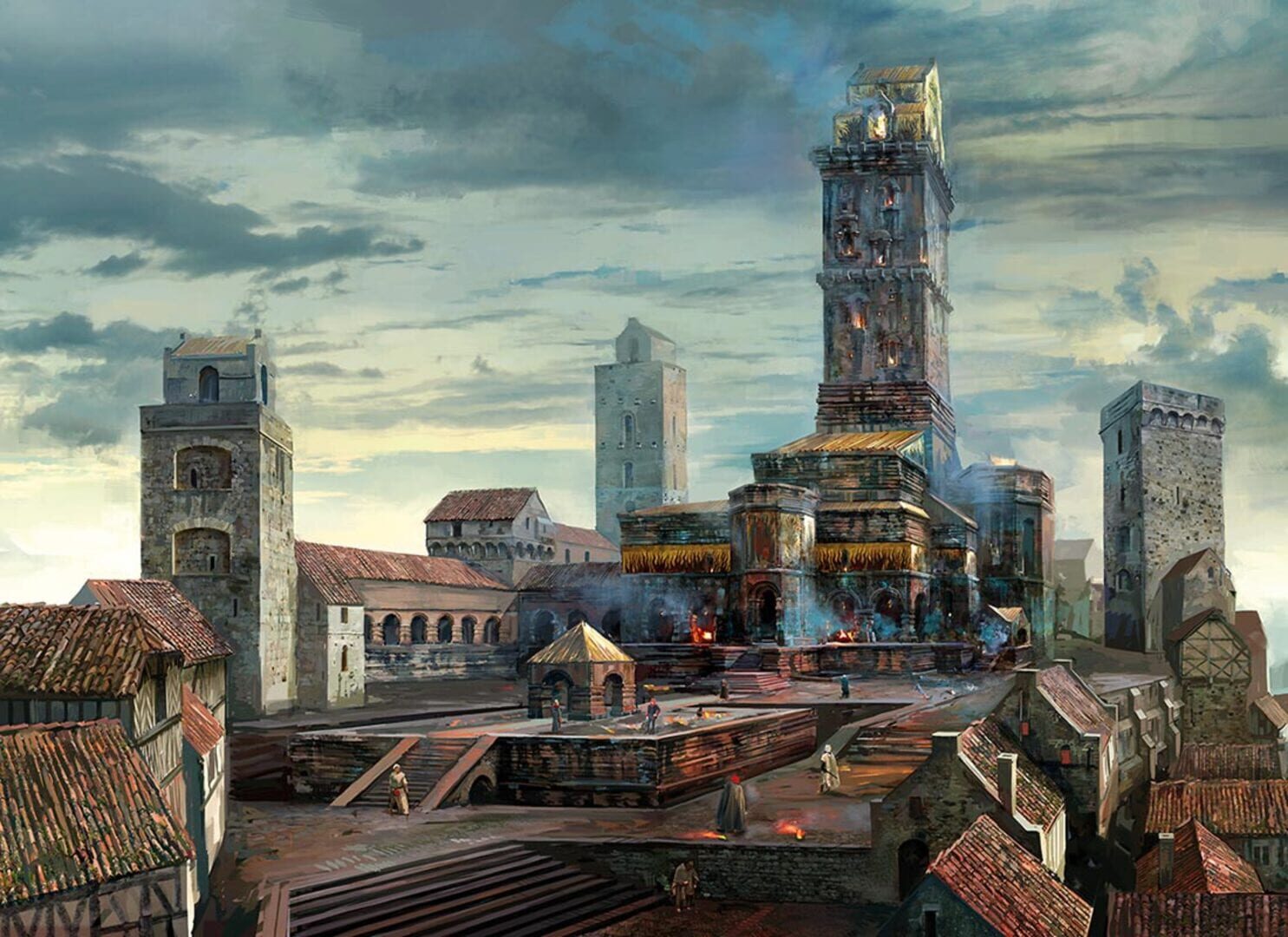
If you're diving into The Witcher 3: Wild Hunt in 2026, you'll find a game that has evolved into a rich tapestry of combat, exploration, and narrative depth, all enhanced by the Next-Gen update. This guide will help you navigate the distinctive gameplay loop that keeps players engaged through its intricate mechanics and immersive world.
Where to start
Before you embark on your journey as Geralt of Rivia, it's crucial to understand the game's core mechanics. The tutorial area, White Orchard, serves as your introduction to combat, alchemy, and signs. Here, you will learn the basics of each system and how they interconnect to create a seamless gameplay experience.
Core mechanics to learn
- Combat System: The combat in The Witcher 3 is dynamic and requires players to balance offense and defense. Mastering dodging and timing your attacks is essential, as the game rewards strategic play over mindless aggression.
- Signs: These magical abilities offer various tactical advantages. For instance, Quen provides a protective shield, while Igni can ignite enemies, adding a layer of strategy to encounters.
- Alchemy: Crafting potions and oils is vital for preparing for tougher battles. Understanding which potions to use against specific enemies can significantly shift the balance in your favor.
Common mistakes
- Neglecting preparation: Failing to use potions and oils before a battle can lead to unnecessary defeats.
- Ignoring the importance of dodging: Many players rely too heavily on rolling, which can lead to getting caught by fast enemies.
- Underestimating the value of exploration: The game world is filled with hidden treasures and quests that enhance your experience and provide valuable rewards.
When the game opens up
After completing the main story in White Orchard, you’ll move to Novigrad and then Skellige, where the game truly opens up. Each region offers unique quests, characters, and challenges. The level of freedom allows you to tackle quests in any order, making each playthrough feel distinct.
What to chase late-game
As you progress into the late game, focus on completing the expansions, particularly Blood and Wine, which introduces new mechanics like the mutation system. This system allows for deeper customization of Geralt's abilities, making it essential for maximizing your build's potential.
Where to go next
Once you feel comfortable with the mechanics, consider experimenting with different builds. The three primary builds—Combat, Signs, and Alchemy—each offer unique playstyles. For example, a Combat-focused build emphasizes fast attacks and adrenaline generation, while an Alchemy build can provide a more defensive playstyle through potions and buffs.
"Mastering the combat in The Witcher 3 is about preparation, adaptability, and understanding how each system works together."
Conclusion
Ultimately, The Witcher 3: Wild Hunt is a game that rewards players who take the time to learn its systems and engage with its world. By understanding the core mechanics, avoiding common pitfalls, and exploring the vast landscape, you'll create a unique experience that resonates with your playstyle.





Comments 0