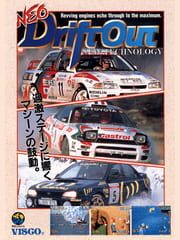
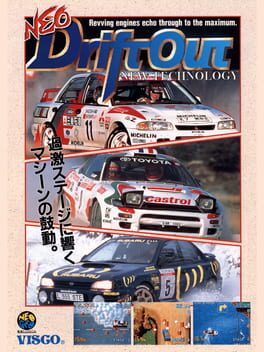
Neo Drift Out: New Technology
Pas encore de tier communautaire. Sois le premier à noter ce jeu.
À propos de Neo Drift Out: New Technology
Neo Drift Out: New Technology est un jeu course développé par Visco et édité par SNK, sorti le 28 mars 1996.
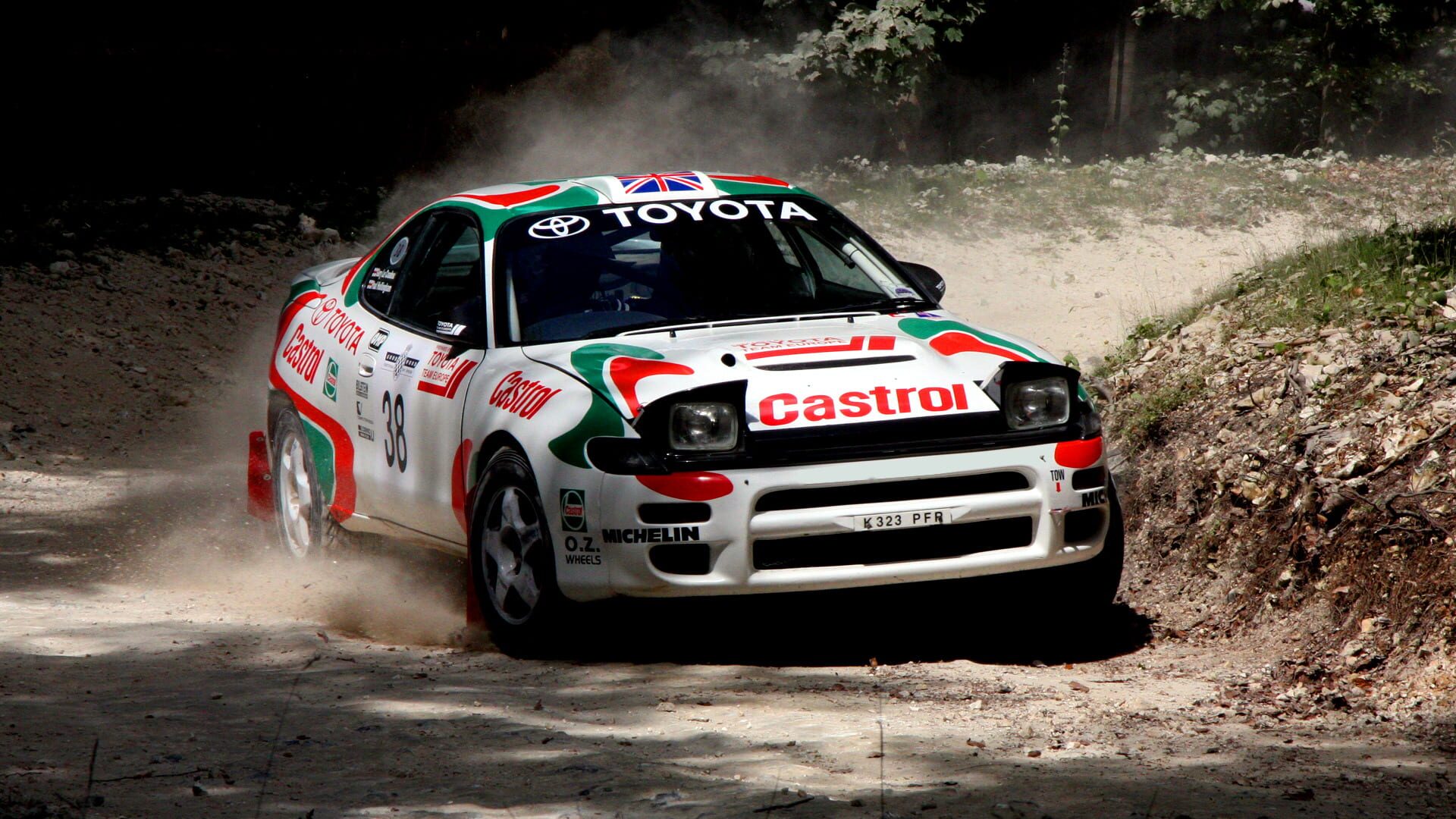
This is an arcade-style rallying game with a particular isometric view. To start, players chooses between three big Japanese rally-spec vehicles—the Mitsubishi Lancer, the Subaru Impreza, and the Toyota Celica—which vary in their Speed, Control, and Body stats. In each racing stage, the player needs to get to the finish line in the shortest time possible. If the clock hits zero, the player loses and the game is over unless they can continue. While driving, the time is hindered by barrels, puddles, slippery ice, cones and other obstacles in the player's path. Even other cars driving can be an obstacle. Also the player has to keep straight when driving up slopes, or the car will swerve and crash. The player can gain more time if they make it through checkpoints in between the starting and finishing points. The player can also take shortcuts. Before making a turn, the player will always get an immediate warning on the screen with a voice saying which direction the player ought to turn and certain warnings. Aside from the starting Practice stage, there are six other stages to be conquered: European, African, Snow Land, Southern Hemisphere, Scandinavian, and Great Britain.
Specs
Liens affiliés : nous pouvons percevoir une commission.
Médias
Sur quelles plateformes Neo Drift Out: New Technology est-il disponible ?
Neo Drift Out: New Technology est disponible sur Arcade, Neo Geo CD.
Quand Neo Drift Out: New Technology est-il sorti ?
Neo Drift Out: New Technology est sorti le 28 mars 1996, développé par Visco.