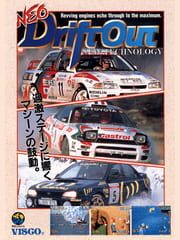
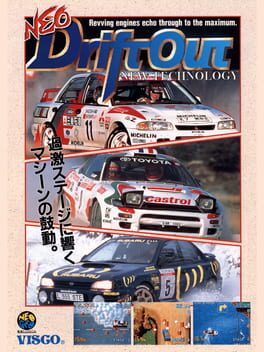
Neo Drift Out: New Technology
Noch kein Community-Tier. Sei der Erste, der dieses Spiel bewertet.
Über Neo Drift Out: New Technology
Neo Drift Out: New Technology ist ein Rennspiel-Spiel entwickelt von Visco und veröffentlicht von SNK, erschienen am 28 März 1996.
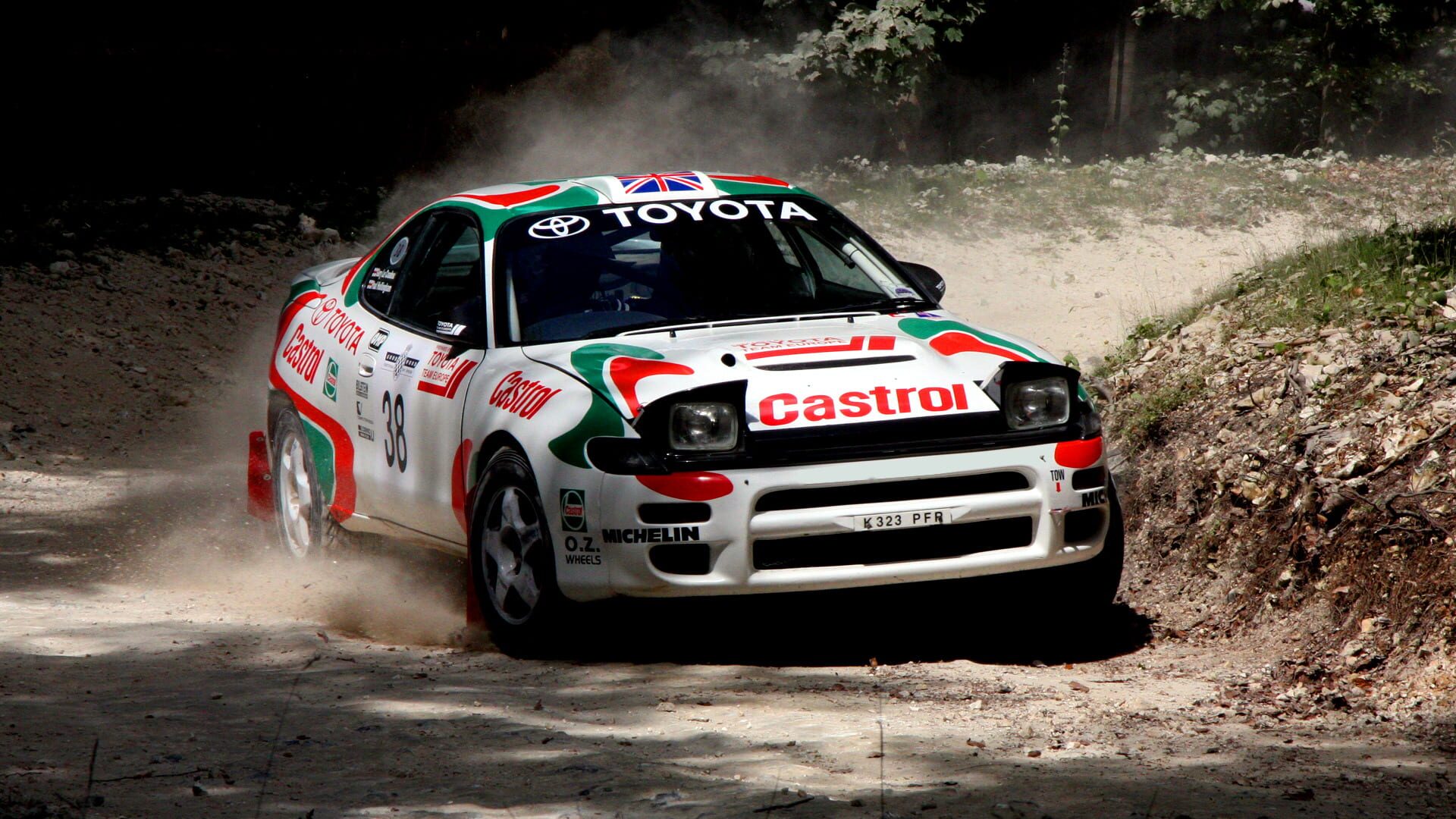
This is an arcade-style rallying game with a particular isometric view. To start, players chooses between three big Japanese rally-spec vehicles—the Mitsubishi Lancer, the Subaru Impreza, and the Toyota Celica—which vary in their Speed, Control, and Body stats. In each racing stage, the player needs to get to the finish line in the shortest time possible. If the clock hits zero, the player loses and the game is over unless they can continue. While driving, the time is hindered by barrels, puddles, slippery ice, cones and other obstacles in the player's path. Even other cars driving can be an obstacle. Also the player has to keep straight when driving up slopes, or the car will swerve and crash. The player can gain more time if they make it through checkpoints in between the starting and finishing points. The player can also take shortcuts. Before making a turn, the player will always get an immediate warning on the screen with a voice saying which direction the player ought to turn and certain warnings. Aside from the starting Practice stage, there are six other stages to be conquered: European, African, Snow Land, Southern Hemisphere, Scandinavian, and Great Britain.
Specs
Affiliate-Links: Wir erhalten ggf. eine Provision.
Medien
Auf welchen Plattformen ist Neo Drift Out: New Technology verfügbar?
Neo Drift Out: New Technology ist auf Arcade, Neo Geo CD verfügbar.
Wann ist Neo Drift Out: New Technology erschienen?
Neo Drift Out: New Technology erschien am 28 März 1996, entwickelt von Visco.