Mejores juegos
Mejores juegos de Arcade de 1987
Los 9 mejores juegos de Arcade lanzados en 1987, ordenados a partir de 715 valoraciones de la crítica y de los jugadores.
El mejor juego de Arcade de 1987 es Test Drive, con una puntuación crítica de 87/100 — actualizado en septiembre 2026.
Cómo se construye este ranking
- Los juegos se clasifican por la nota agregada de la crítica sobre 100 importada de IGDB y Metacritic, nunca por las notas propias de Tier.
- Un juego solo entra en el ranking a partir de 30 valoraciones externas, para que una única crítica entusiasta nunca supere a un clásico consolidado.
- Las notas de la comunidad, de F a S, aparecen junto a cada juego y solo se afirman como un hecho por encima de 5 valoraciones en Tier.
- Periodo de lanzamiento cubierto: 1987.
- 9 juegos aparecen en esta página, con 715 valoraciones en total.
- Los rankings se recalculan cada hora; este se reconstruyó el 29 septiembre 2026.
Top 9
01
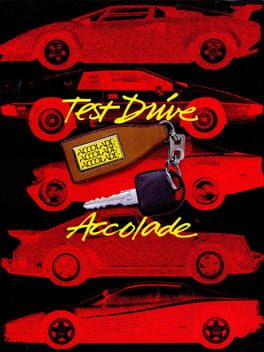 Test Drive
After you choose a car, you have to drive as fast as possible without crash and without getting caught by the cops. You are equipped with the radar detector so you are informed about the approaching trouble.
87
/100
02
Test Drive
After you choose a car, you have to drive as fast as possible without crash and without getting caught by the cops. You are equipped with the radar detector so you are informed about the approaching trouble.
87
/100
02
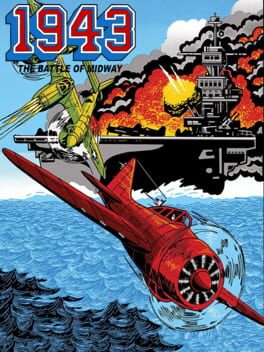 1943: The Battle of Midway
The game is set in the Pacific theater of World War II, off the coast of the Midway Atoll. The goal is to attack the Japanese Air Fleet that bombed the players' American Aircraft Carrier, pursue all Japanese Air and Sea forces, fly through the 16 levels of play, make their way to the Japanese battleship Yamato and destroy her. 11 Levels consist of an Air-to-Sea battle (with a huge battleship or an aircraft carrier as an End-Level Boss), while 5 levels consist of an all-aerial battle against a squadron of Japanese Bombers and a Mother Bomber that needs to be destroyed. As in 1942, players pilot a P-38. Two buttons are used: one for regular attacks (with several weapons) and one for special actions that executes either a loop like in 1942 or one of three special attacks that damage the plane. Unlike 1942, the player only has one life, with one refillable energy meter. Destroying a complete formation of red enemy planes will result in a power-up, such as a health boost or a temporary special weapons which replaces the default twin gun.
79
/100
03
1943: The Battle of Midway
The game is set in the Pacific theater of World War II, off the coast of the Midway Atoll. The goal is to attack the Japanese Air Fleet that bombed the players' American Aircraft Carrier, pursue all Japanese Air and Sea forces, fly through the 16 levels of play, make their way to the Japanese battleship Yamato and destroy her. 11 Levels consist of an Air-to-Sea battle (with a huge battleship or an aircraft carrier as an End-Level Boss), while 5 levels consist of an all-aerial battle against a squadron of Japanese Bombers and a Mother Bomber that needs to be destroyed. As in 1942, players pilot a P-38. Two buttons are used: one for regular attacks (with several weapons) and one for special actions that executes either a loop like in 1942 or one of three special attacks that damage the plane. Unlike 1942, the player only has one life, with one refillable energy meter. Destroying a complete formation of red enemy planes will result in a power-up, such as a health boost or a temporary special weapons which replaces the default twin gun.
79
/100
03
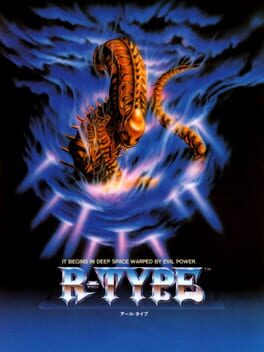 R-Type
 is set in the 22nd century, and the player flies a futuristic fighter craft called the R-9a "Arrowhead", named for its shape, and because it is the ninth model in the 'R' series of fighter craft (but it is the first of the series to actually be used in combat; the previous models were all prototypes). The mission is to 'blast off and strike the evil Bydo Empire'. The R- in the series title originally stood for "ray", as in a ray of light. It was a reference to the many different types of ray-like weapons in the first R-Type. his was later retconned in R-Type Final to refer specifically to the production code as well as a term of endearment for the player fighter craft, the "Round Canopy". The original R-Type was well received by most gaming critics. However, it was also infamous for its relentless difficulty. It earned 7th place in IGN's Top 10 most difficult games to beat. The gameplay of R-Type is noticeably distinct among shoot 'em ups. Invariably the player will lose, not because of an inequality in firepower, but because of the design of the levels themselves. There is usually a 'correct' way to get through a level, but players must learn these by experience - i.e. by losing and restarting from earlier in the level. The game innovated with its weapon system compared to contemporary shooters, featuring a chargeable shot (beam-meter), and detachable 'force' pod; levels were designed to require different tactics and ideal weapons (air-air, diagonal, or air-ground laser).
75
/100
R-Type
R-Type is set in the 22nd century, and the player flies a futuristic fighter craft called the R-9a "Arrowhead", named for its shape, and because it is the ninth model in the 'R' series of fighter craft (but it is the first of the series to actually be used in combat; the previous models were all prototypes). The mission is to 'blast off and strike the evil Bydo Empire'. The R- in the series title originally stood for "ray", as in a ray of light. It was a reference to the many different types of ray-like weapons in the first R-Type. his was later retconned in R-Type Final to refer specifically to the production code as well as a term of endearment for the player fighter craft, the "Round Canopy". The original R-Type was well received by most gaming critics. However, it was also infamous for its relentless difficulty. It earned 7th place in IGN's Top 10 most difficult games to beat. The gameplay of R-Type is noticeably distinct among shoot 'em ups. Invariably the player will lose, not because of an inequality in firepower, but because of the design of the levels themselves. There is usually a 'correct' way to get through a level, but players must learn these by experience - i.e. by losing and restarting from earlier in the level. The game innovated with its weapon system compared to contemporary shooters, featuring a chargeable shot (beam-meter), and detachable 'force' pod; levels were designed to require different tactics and ideal weapons (air-air, diagonal, or air-ground laser).
75
/100
Test Drive
After you choose a car, you have to drive as fast as possible without crash and without getting caught by the cops. You are equipped with the radar detector so you are informed about the approaching trouble.
87
/100
02
1943: The Battle of Midway
The game is set in the Pacific theater of World War II, off the coast of the Midway Atoll. The goal is to attack the Japanese Air Fleet that bombed the players' American Aircraft Carrier, pursue all Japanese Air and Sea forces, fly through the 16 levels of play, make their way to the Japanese battleship Yamato and destroy her. 11 Levels consist of an Air-to-Sea battle (with a huge battleship or an aircraft carrier as an End-Level Boss), while 5 levels consist of an all-aerial battle against a squadron of Japanese Bombers and a Mother Bomber that needs to be destroyed. As in 1942, players pilot a P-38. Two buttons are used: one for regular attacks (with several weapons) and one for special actions that executes either a loop like in 1942 or one of three special attacks that damage the plane. Unlike 1942, the player only has one life, with one refillable energy meter. Destroying a complete formation of red enemy planes will result in a power-up, such as a health boost or a temporary special weapons which replaces the default twin gun.
79
/100
03
R-Type
R-Type is set in the 22nd century, and the player flies a futuristic fighter craft called the R-9a "Arrowhead", named for its shape, and because it is the ninth model in the 'R' series of fighter craft (but it is the first of the series to actually be used in combat; the previous models were all prototypes). The mission is to 'blast off and strike the evil Bydo Empire'. The R- in the series title originally stood for "ray", as in a ray of light. It was a reference to the many different types of ray-like weapons in the first R-Type. his was later retconned in R-Type Final to refer specifically to the production code as well as a term of endearment for the player fighter craft, the "Round Canopy". The original R-Type was well received by most gaming critics. However, it was also infamous for its relentless difficulty. It earned 7th place in IGN's Top 10 most difficult games to beat. The gameplay of R-Type is noticeably distinct among shoot 'em ups. Invariably the player will lose, not because of an inequality in firepower, but because of the design of the levels themselves. There is usually a 'correct' way to get through a level, but players must learn these by experience - i.e. by losing and restarting from earlier in the level. The game innovated with its weapon system compared to contemporary shooters, featuring a chargeable shot (beam-meter), and detachable 'force' pod; levels were designed to require different tactics and ideal weapons (air-air, diagonal, or air-ground laser).
75
/100
04
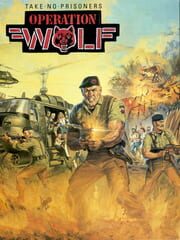 Operation Wolf
In the steamy jungles of South America, heavily armed extremists are holding innocent civilians prisoner. Little do these terrorists know that real terror is about to land on their front porch! The sound of rotor blades and staccato bursts of gunfire echo through the valleys. Terrorists be warned! Operation Wolf is going to teach you what terror is all about! Operation Wolf consists of six missions, which are displayed on the Operations Map Screen. A mission is completed when all enemy forces are reduced to zero. The current level is completed when you escape from the airport with the prisoners. Your injury level increases when the enemy hits you. The game automatically ends if the injury indicator on the right side of the screen becomes completely red. You can reduce your injury level by getting power drinks.
68
/100
05
Operation Wolf
In the steamy jungles of South America, heavily armed extremists are holding innocent civilians prisoner. Little do these terrorists know that real terror is about to land on their front porch! The sound of rotor blades and staccato bursts of gunfire echo through the valleys. Terrorists be warned! Operation Wolf is going to teach you what terror is all about! Operation Wolf consists of six missions, which are displayed on the Operations Map Screen. A mission is completed when all enemy forces are reduced to zero. The current level is completed when you escape from the airport with the prisoners. Your injury level increases when the enemy hits you. The game automatically ends if the injury indicator on the right side of the screen becomes completely red. You can reduce your injury level by getting power drinks.
68
/100
05
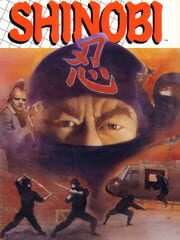 Shinobi
The five missions in the game are each three or four stages long. Several hostages are being held in each stage; Joe must rescue all of them before he is allowed to finish the stage. The last stage in each mission has no hostages, but instead features a powerful boss character whom Joe must defeat. After completing each of the first four missions the player is taken to a bonus stage, where he can earn an extra life if he is able to kill all of the ninjas leaping towards him. Completing the fifth mission ends the game. Also, once the fifth mission begins, continues are no longer allowed; the player has to finish the game with however many lives he has left at that point. If the player earns a place on the high score board, the number of credits it took him to get that score is displayed along with his score. Joe's standard weapons are an unlimited supply of shuriken, along with punches and kicks when attacking at close range. One hostage per stage gives him a power-up. When powered-up, his throwing stars are replaced by a gun that fires large, explosive bullets, and his close-range attack becomes a katana slash. Joe can also perform "ninja magic," which may be used only once per stage and kills (or damages, in the case of bosses) all enemies on the screen. The game also allows the enemies to hide behind boxes or use shields to block Musashi's shurikens.[4] Joe can be killed with one hit, provided he is hit by a projectile or melee attack, but if he does not find himself in those situations, the player can touch regular enemies and just be pushed back without being damaged. Since most enemies appear in the same place on each level, it is possible to master the game by memorizing their locations and devising patterns to defeat them. At the end of each stage, the player receives score bonuses based on performance. Completing the stage without using ninja magic or without using any throwing stars or bullets earns the player a point bonus. The player has three minutes to complete each stage; remaining time at the end of the stage is also converted to bonus points and added to the player's score.
60
/100
06
Shinobi
The five missions in the game are each three or four stages long. Several hostages are being held in each stage; Joe must rescue all of them before he is allowed to finish the stage. The last stage in each mission has no hostages, but instead features a powerful boss character whom Joe must defeat. After completing each of the first four missions the player is taken to a bonus stage, where he can earn an extra life if he is able to kill all of the ninjas leaping towards him. Completing the fifth mission ends the game. Also, once the fifth mission begins, continues are no longer allowed; the player has to finish the game with however many lives he has left at that point. If the player earns a place on the high score board, the number of credits it took him to get that score is displayed along with his score. Joe's standard weapons are an unlimited supply of shuriken, along with punches and kicks when attacking at close range. One hostage per stage gives him a power-up. When powered-up, his throwing stars are replaced by a gun that fires large, explosive bullets, and his close-range attack becomes a katana slash. Joe can also perform "ninja magic," which may be used only once per stage and kills (or damages, in the case of bosses) all enemies on the screen. The game also allows the enemies to hide behind boxes or use shields to block Musashi's shurikens.[4] Joe can be killed with one hit, provided he is hit by a projectile or melee attack, but if he does not find himself in those situations, the player can touch regular enemies and just be pushed back without being damaged. Since most enemies appear in the same place on each level, it is possible to master the game by memorizing their locations and devising patterns to defeat them. At the end of each stage, the player receives score bonuses based on performance. Completing the stage without using ninja magic or without using any throwing stars or bullets earns the player a point bonus. The player has three minutes to complete each stage; remaining time at the end of the stage is also converted to bonus points and added to the player's score.
60
/100
06
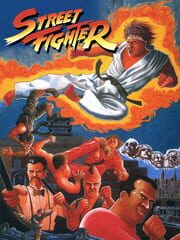 Street Fighter (1987)
Street Fighter is the first fighting game produced by Capcom and the very first game in the Street Fighter series. While it did not achieve the same popularity as its sequels when it was first released, the original Street Fighter introduced some of the conventions made standard in later games such as attack buttons and special command-based techniques.
57
/100
07
Street Fighter (1987)
Street Fighter is the first fighting game produced by Capcom and the very first game in the Street Fighter series. While it did not achieve the same popularity as its sequels when it was first released, the original Street Fighter introduced some of the conventions made standard in later games such as attack buttons and special command-based techniques.
57
/100
07
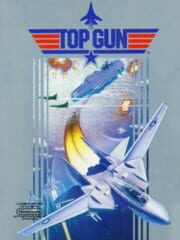 Top Gun (1987)
Top Gun was released in 1987 for the PC, Commodore 64, ZX Spectrum and Nintendo Entertainment System (NES) (with an equivalent version for Nintendo Vs. Series arcade cabinets). The Commodore and Spectrum versions were developed by Ocean while Thunder Mountain handled the PC version of the game. Konami developed the Nintendo version. The NES version was released on November 1987 in North America, December 11, 1987 in Japan and on November 30, 1988 in Europe and Australia. According to Game Over by David Sheff, the NES version sold over 2 million copies. Many of the people who've played the NES version have complained about the difficulty, and lack of action in the game. The NES version had a sequel called Top Gun: The Second Mission.
55
/100
08
Top Gun (1987)
Top Gun was released in 1987 for the PC, Commodore 64, ZX Spectrum and Nintendo Entertainment System (NES) (with an equivalent version for Nintendo Vs. Series arcade cabinets). The Commodore and Spectrum versions were developed by Ocean while Thunder Mountain handled the PC version of the game. Konami developed the Nintendo version. The NES version was released on November 1987 in North America, December 11, 1987 in Japan and on November 30, 1988 in Europe and Australia. According to Game Over by David Sheff, the NES version sold over 2 million copies. Many of the people who've played the NES version have complained about the difficulty, and lack of action in the game. The NES version had a sequel called Top Gun: The Second Mission.
55
/100
08
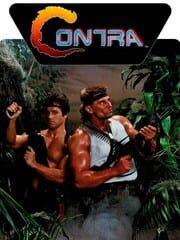 Contra
 (also known as Gryzor in Oceania and Europe), is a 1987 run and gun action game developed and published by Konami originally released as a coin-operated arcade game on February 20, 1987. The game had multiple ports, including for various computer formats. Several Contra sequels were produced following the original game.
50
/100
09
Contra
Contra (also known as Gryzor in Oceania and Europe), is a 1987 run and gun action game developed and published by Konami originally released as a coin-operated arcade game on February 20, 1987. The game had multiple ports, including for various computer formats. Several Contra sequels were produced following the original game.
50
/100
09
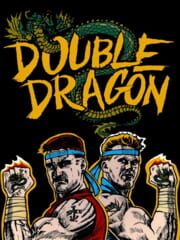 Double Dragon
 is a 1987 beat 'em up video game developed by Technōs Japan and distributed by Taito for arcades across Asia, North America and Europe. It is the first title in the Double Dragon franchise. The player character has a repertoire of martial arts techniques which they can perform using the joystick and three action buttons (kick, jump, and punch) individually or in combination. Techniques range from basic punches and kicks to more elaborate manoeuvres like hair-grabbing moves and elbow strikes. When playing with another player, one can assist the other by grabbing their partner's opponent from behind. Caution should be taken, though, as some enemies can do the same thing to the players. The player begins the game with a certain number of extra lives and a life gauge which depletes as the player takes hits. If the life gauge runs out or the time limit reaches zero, the player will lose a life. There is a small variety of enemy characters that the player will face through the course of the game. Certain enemies carry melee weapons, which can be knocked out of their hands and picked up to use against them. Available weapons include baseball bats, whips, throwing knives, and dynamite; in addition, rocks, oil drums, and boxes can be found in certain places. The game is divided into four stages or "missions," consisting of a city slum, a factory, the woods, and the gang's hideout. The game normally ends if a single player defeats the final boss alone. However, if two players complete the game together, they are forced to fight each other to determine who will win Marian's affections.
39
/100
Double Dragon
Double Dragon is a 1987 beat 'em up video game developed by Technōs Japan and distributed by Taito for arcades across Asia, North America and Europe. It is the first title in the Double Dragon franchise. The player character has a repertoire of martial arts techniques which they can perform using the joystick and three action buttons (kick, jump, and punch) individually or in combination. Techniques range from basic punches and kicks to more elaborate manoeuvres like hair-grabbing moves and elbow strikes. When playing with another player, one can assist the other by grabbing their partner's opponent from behind. Caution should be taken, though, as some enemies can do the same thing to the players. The player begins the game with a certain number of extra lives and a life gauge which depletes as the player takes hits. If the life gauge runs out or the time limit reaches zero, the player will lose a life. There is a small variety of enemy characters that the player will face through the course of the game. Certain enemies carry melee weapons, which can be knocked out of their hands and picked up to use against them. Available weapons include baseball bats, whips, throwing knives, and dynamite; in addition, rocks, oil drums, and boxes can be found in certain places. The game is divided into four stages or "missions," consisting of a city slum, a factory, the woods, and the gang's hideout. The game normally ends if a single player defeats the final boss alone. However, if two players complete the game together, they are forced to fight each other to determine who will win Marian's affections.
39
/100
Operation Wolf
In the steamy jungles of South America, heavily armed extremists are holding innocent civilians prisoner. Little do these terrorists know that real terror is about to land on their front porch! The sound of rotor blades and staccato bursts of gunfire echo through the valleys. Terrorists be warned! Operation Wolf is going to teach you what terror is all about! Operation Wolf consists of six missions, which are displayed on the Operations Map Screen. A mission is completed when all enemy forces are reduced to zero. The current level is completed when you escape from the airport with the prisoners. Your injury level increases when the enemy hits you. The game automatically ends if the injury indicator on the right side of the screen becomes completely red. You can reduce your injury level by getting power drinks.
68
/100
05
Shinobi
The five missions in the game are each three or four stages long. Several hostages are being held in each stage; Joe must rescue all of them before he is allowed to finish the stage. The last stage in each mission has no hostages, but instead features a powerful boss character whom Joe must defeat. After completing each of the first four missions the player is taken to a bonus stage, where he can earn an extra life if he is able to kill all of the ninjas leaping towards him. Completing the fifth mission ends the game. Also, once the fifth mission begins, continues are no longer allowed; the player has to finish the game with however many lives he has left at that point. If the player earns a place on the high score board, the number of credits it took him to get that score is displayed along with his score. Joe's standard weapons are an unlimited supply of shuriken, along with punches and kicks when attacking at close range. One hostage per stage gives him a power-up. When powered-up, his throwing stars are replaced by a gun that fires large, explosive bullets, and his close-range attack becomes a katana slash. Joe can also perform "ninja magic," which may be used only once per stage and kills (or damages, in the case of bosses) all enemies on the screen. The game also allows the enemies to hide behind boxes or use shields to block Musashi's shurikens.[4] Joe can be killed with one hit, provided he is hit by a projectile or melee attack, but if he does not find himself in those situations, the player can touch regular enemies and just be pushed back without being damaged. Since most enemies appear in the same place on each level, it is possible to master the game by memorizing their locations and devising patterns to defeat them. At the end of each stage, the player receives score bonuses based on performance. Completing the stage without using ninja magic or without using any throwing stars or bullets earns the player a point bonus. The player has three minutes to complete each stage; remaining time at the end of the stage is also converted to bonus points and added to the player's score.
60
/100
06
Street Fighter (1987)
Street Fighter is the first fighting game produced by Capcom and the very first game in the Street Fighter series. While it did not achieve the same popularity as its sequels when it was first released, the original Street Fighter introduced some of the conventions made standard in later games such as attack buttons and special command-based techniques.
57
/100
07
Top Gun (1987)
Top Gun was released in 1987 for the PC, Commodore 64, ZX Spectrum and Nintendo Entertainment System (NES) (with an equivalent version for Nintendo Vs. Series arcade cabinets). The Commodore and Spectrum versions were developed by Ocean while Thunder Mountain handled the PC version of the game. Konami developed the Nintendo version. The NES version was released on November 1987 in North America, December 11, 1987 in Japan and on November 30, 1988 in Europe and Australia. According to Game Over by David Sheff, the NES version sold over 2 million copies. Many of the people who've played the NES version have complained about the difficulty, and lack of action in the game. The NES version had a sequel called Top Gun: The Second Mission.
55
/100
08
Contra
Contra (also known as Gryzor in Oceania and Europe), is a 1987 run and gun action game developed and published by Konami originally released as a coin-operated arcade game on February 20, 1987. The game had multiple ports, including for various computer formats. Several Contra sequels were produced following the original game.
50
/100
09
Double Dragon
Double Dragon is a 1987 beat 'em up video game developed by Technōs Japan and distributed by Taito for arcades across Asia, North America and Europe. It is the first title in the Double Dragon franchise. The player character has a repertoire of martial arts techniques which they can perform using the joystick and three action buttons (kick, jump, and punch) individually or in combination. Techniques range from basic punches and kicks to more elaborate manoeuvres like hair-grabbing moves and elbow strikes. When playing with another player, one can assist the other by grabbing their partner's opponent from behind. Caution should be taken, though, as some enemies can do the same thing to the players. The player begins the game with a certain number of extra lives and a life gauge which depletes as the player takes hits. If the life gauge runs out or the time limit reaches zero, the player will lose a life. There is a small variety of enemy characters that the player will face through the course of the game. Certain enemies carry melee weapons, which can be knocked out of their hands and picked up to use against them. Available weapons include baseball bats, whips, throwing knives, and dynamite; in addition, rocks, oil drums, and boxes can be found in certain places. The game is divided into four stages or "missions," consisting of a city slum, a factory, the woods, and the gang's hideout. The game normally ends if a single player defeats the final boss alone. However, if two players complete the game together, they are forced to fight each other to determine who will win Marian's affections.
39
/100
Frequently asked questions
¿Cuál es el mejor juego de Arcade de 1987?
Test Drive encabeza actualmente la clasificación con una puntuación de 87/100 sobre 32 valoraciones. Clasificación actualizada en septiembre 2026.
¿Cómo se construye esta clasificación?
Los juegos se ordenan por su puntuación crítica agregada sobre 100, con un umbral mínimo de votos para que una sola crítica entusiasta nunca supere a un clásico consagrado; los grados de F a S de la comunidad Tier se muestran junto a cada juego.