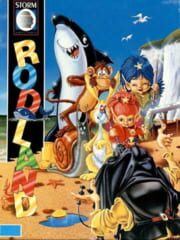
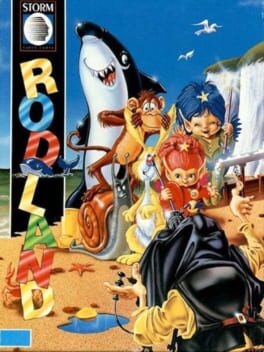
Rod-Land
Ancora nessun tier della community. Sii il primo a votare questo gioco.
Informazioni Rod-Land
Rod-Land è un gioco di genere piattaforme sviluppato e pubblicato da Jaleco, uscito il 31 dicembre 1990.
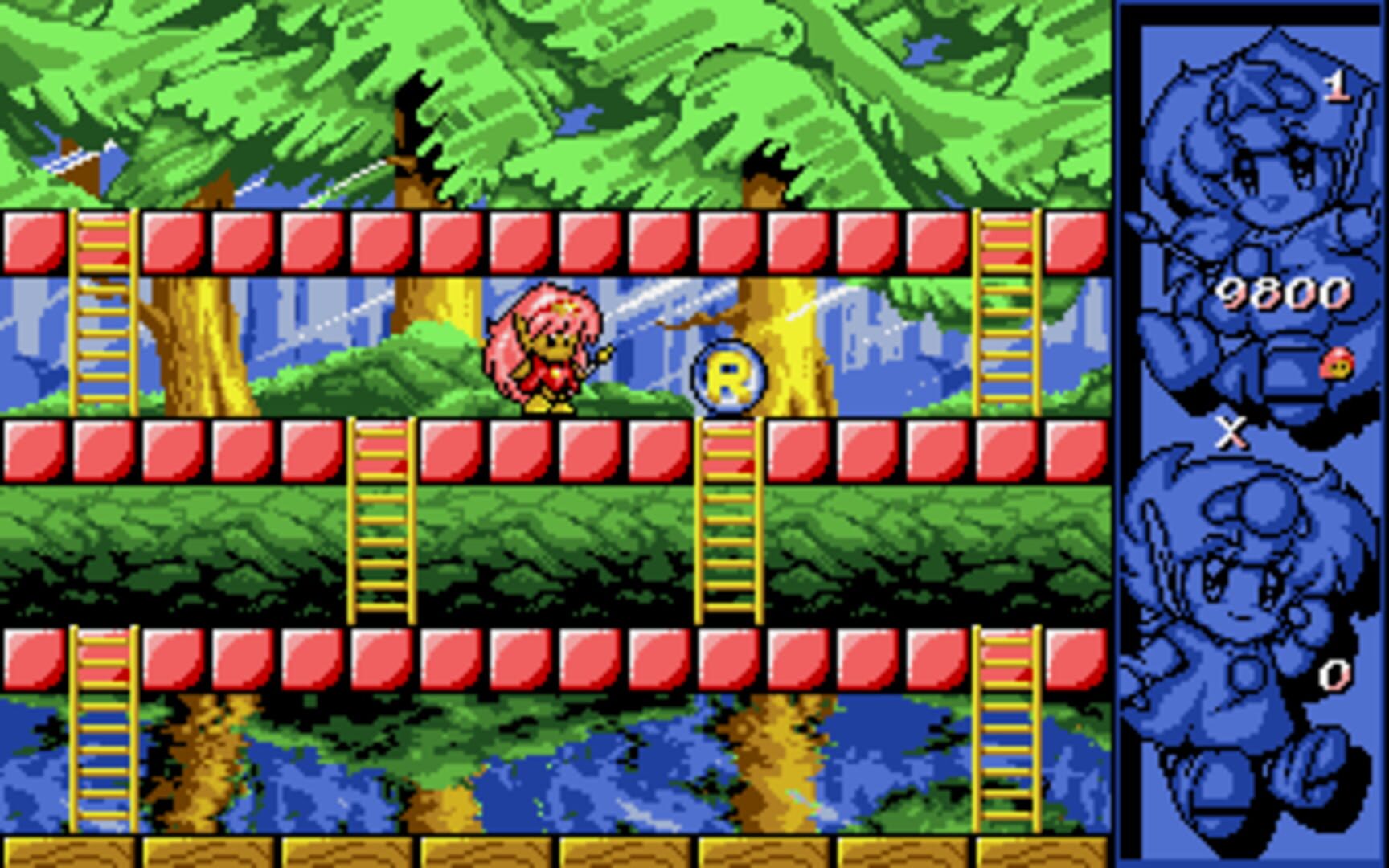
The player(s) control one or two fairies called Tam and Rit armed with a magic wand (rod). Following the concept of Taito's Bubble Bobble, the rod doesn't kill the monsters directly, but only leaves them immobilized, crying. To kill them, the rod can grasp them in a magic force-field and the player can smash them down over her head until they disappear and leave a power-up behind. Each level is only one small screen composed of monsters, platforms, ladders and, later, tunnels. Unlike other games of the genre, the players can never jump, but have to use ladders. They can conjure one custom ladder above or below them in order to go to the appropriate platform. There can be only one such 'custom' ladder; therefore if the fairy summons it again, it will disappear from its previous position in order to appear again next to the fairy. This can be beneficial for the player, if a monster is climbing that ladder to approach her. The fairies' quest is to rescue their mother, trapped in a tower. In the sequel (part of the original arcade machine) they must venture into a pyramid, to stop an evil demon that is building a mobile fortress. The spirit of their departed father "guides" them at a couple of points. The ending implies that the demon in the pyramid was somehow responsible for their father's death.
Specifiche
Link di affiliazione: potremmo ricevere una commissione.
Media
Su quali piattaforme è disponibile Rod-Land?
Rod-Land è disponibile su Amiga, Amstrad CPC, Arcade, Atari ST/STE, Commodore C64/128/MAX, ZX Spectrum.
Quando è uscito Rod-Land?
Rod-Land è uscito il 31 dicembre 1990, sviluppato da Jaleco.